Customer Service
info@bagsproducer.com
Work Hours
Monday to Friday: 9AM - 6PM
Company Address
No.188, Taixin Street, Quanzhou, Fujian Province, China
Customer Service
info@bagsproducer.com
Work Hours
Monday to Friday: 9AM - 6PM
Company Address
No.188, Taixin Street, Quanzhou, Fujian Province, China
![[BagsProducer]Bulk Buying Gym Bags: How To Maximize Your Orders Efficiency](https://www.bagsproducer.com/wp-content/uploads/2025/09/image.jpg)
In the dynamic landscape of the fitness industry, the demand for gym bags continues its upward trajectory, presenting both opportunities and challenges for businesses. This article explores the strategic imperatives of wholesale bulk orders for gym bags, focusing on how operational efficiency can be maximized across the entire procurement and supply chain process. It delves into critical areas such as discerning supplier selection, streamlining the ordering workflow, leveraging customization for market advantage, mastering complex logistics, implementing comprehensive cost-saving strategies beyond mere unit price, and the profound benefits of partnering with a specialized manufacturing facility. By providing actionable insights, this analysis aims to equip businesses with the knowledge to optimize their gym bag bulk purchasing, enhance profitability, and ensure sustained growth in a competitive market.
The fitness industry is experiencing robust growth, leading to a parallel increase in the demand for gym bags. For businesses operating within this sector—whether they are retailers, gym owners, or corporate merchandisers—the strategic acquisition of gym bags through bulk purchasing is fundamental for both market expansion and enhancing brand visibility. However, merely purchasing in large quantities is insufficient; the true competitive advantage lies in optimizing the operational efficiency of these wholesale bulk orders.
Efficient bulk purchasing transcends simple cost savings per unit. It critically impacts a business’s capacity to maintain adequate stock levels, thereby reducing the necessity for frequent reordering and enabling more predictable supply chain planning. This foresight helps avoid potential stockouts and associated revenue losses (RDX Sports). Furthermore, streamlined processes in bulk buying create opportunities for broader market penetration and significant improvements in brand recognition (Bags Producer). Therefore, focusing on efficiency is not merely about minimizing expenditure but about constructing a resilient, responsive, and ultimately more profitable supply chain capable of supporting long-term business objectives.
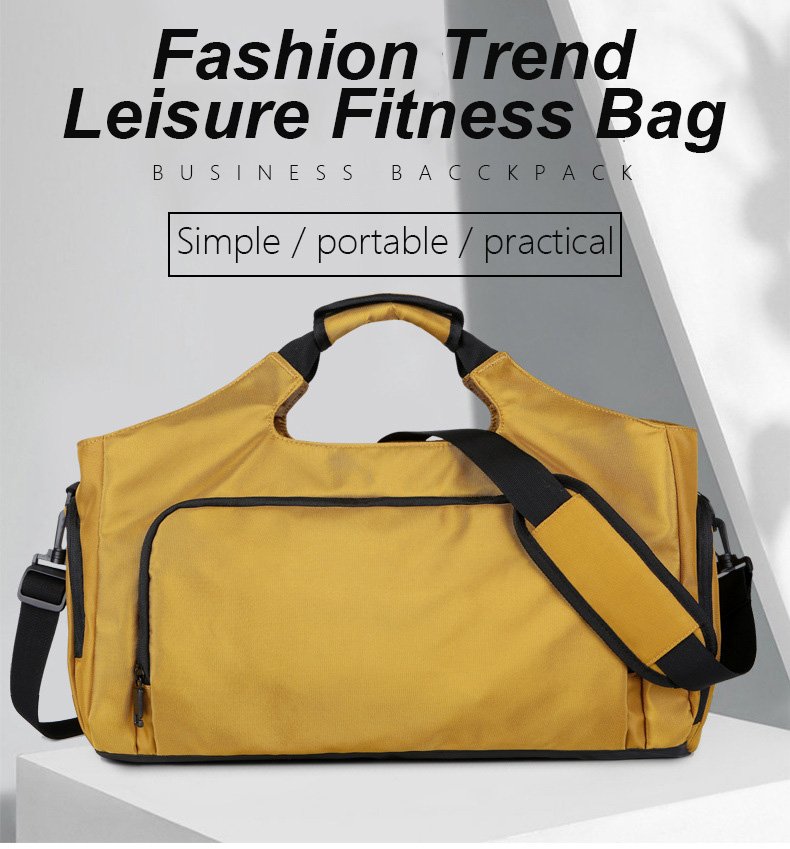
Selecting the appropriate wholesale supplier is a cornerstone of efficient bulk purchasing. This decision directly influences product quality, delivery timelines, and overall business success. A comprehensive evaluation process should extend beyond initial price quotes to include factors such as factory capabilities, stringent quality control measures, and the demonstrable reliability of the supplier (Lucky Wholesale).
For businesses seeking to maximize efficiency and control, a direct partnership with a factory often presents superior advantages. This approach eliminates intermediaries, facilitating clearer communication, more direct oversight of the production process, and often, more favorable pricing and terms. When evaluating potential partners for wholesale bulk orders, it is crucial to:
Thoroughly Vet Potential Suppliers: Assess their track record, industry reputation, and adherence to production standards. Requesting samples is a critical step to verify quality firsthand.
Prioritize Communication: Establish clear channels for discussing needs, specifications, and potential issues.
Negotiate Favorable Terms: This includes minimum order quantities (MOQs), pricing structures, and shipping policies.
Build Lasting Relationships: Strategic partnerships foster trust and mutual understanding, leading to smoother transactions and consistent quality over time (Learn With Shopify).
Choosing a partner that understands the nuances of bulk production and can deliver consistent quality is paramount for long-term operational efficiency.
| Criteria for Supplier Selection | Key Considerations | Efficiency Impact |
|---|---|---|
| Factory Capabilities | Production capacity, technological infrastructure, ability to scale | Ensures timely fulfillment of large orders, prevents bottlenecks |
| Quality Control (QC) | Rigorous inspection processes, certifications, defect rates | Minimizes returns, enhances brand reputation, reduces reprocessing costs |
| Pricing Structures | Volume discounts, transparent cost breakdown, payment terms | Optimizes cost efficiency, facilitates budget planning |
| Shipping & Logistics | Reliable shipping partners, tracking capabilities, delivery speed | Reduces lead times, improves inventory management, lowers transit risks |
| Communication & Support | Responsiveness, dedicated account management, problem-solving | Streamlines order process, resolves issues quickly, builds trust |
| Customization Options | Ability to incorporate specific designs, materials, branding | Enhances product differentiation, meets unique market demands |

An optimized ordering process is fundamental to achieving operational efficiency in bulk purchasing. From the initial request for a quote to the final delivery, every step offers an opportunity to reduce lead times, minimize errors, and enhance the overall purchasing experience. Effective streamlining begins with clear and precise communication of product specifications and quantity requirements from the outset.
Once a quote is received and accepted, the subsequent stages require meticulous management. This includes:
Order Confirmation and Tracking: Implementing systems for immediate order confirmation and providing mechanisms for real-time tracking of production and shipment status.
Secure Storage and Inventory Management: Collaborating with suppliers who offer secure storage solutions or efficient transfer to your own warehousing facilities. Effective inventory management at this stage prevents overstocking or stockouts (Rush Order).
Meticulous Packing and Dispatch: Ensuring that products are packed diligently to prevent damage during transit and dispatched through reliable channels. Fulfillment services specializing in sports and fitness equipment can significantly streamline these processes, offering expertise in handling and distributing products efficiently across various locations (ShipBob).
By focusing on these practical steps and fostering transparent communication with the supplier, businesses can cultivate a smooth, predictable, and highly efficient ordering workflow, reducing administrative overhead and accelerating market readiness.
In a competitive market, product differentiation is a critical driver of value. For businesses engaged in wholesale gym bags procurement, leveraging customization options can significantly enhance product appeal and effectively meet niche market demands. Customization extends beyond merely adding a logo; it involves tailoring various aspects of the product to create a unique offering that resonates with the target audience.
Key customization options often include:
Logo Placement and Branding: Integrating company logos or specific brand messaging directly onto the bags, transforming them into powerful marketing tools.
Material Choices: Selecting specific fabrics for durability, water resistance, aesthetic appeal, or eco-friendliness, aligning with brand values and customer preferences.
Color Schemes: Customizing colors to match brand identity, team colors, or current market trends.
Specific Features and Compartments: Adding specialized pockets for shoes, water bottles, laptops, or wet gear, catering to the distinct needs of fitness enthusiasts or specific user groups.
These customizable design and production services allow businesses to expand their product portfolios and boost brand visibility (Bags Producer). By offering unique benefits tailored to specific requirements, customized wholesale custom gym bag options can significantly differentiate a business’s inventory, increasing perceived value and market relevance (Alibaba). This strategic approach not only enhances customer satisfaction but also fortifies brand loyalty.
The efficient movement of goods from manufacturing to the end-user is paramount in bulk purchasing. Mastering supply chain logistics ensures timely deliveries and cost-effectiveness, particularly for items like gym bags that may experience seasonal demand fluctuations or require specialized handling. A robust logistical framework involves several interconnected components.
Key areas to focus on for optimizing gym bag deliveries include:
Inventory Management: Implementing advanced inventory systems to accurately track stock levels, predict demand, and manage warehousing efficiently. This prevents both overstocking, which ties up capital, and understocking, which leads to lost sales.
Strategic Shipping: Collaborating with experienced logistics partners who understand the nuances of freight and parcel shipping, especially for fitness industry products. This includes optimizing routes, consolidating shipments, and selecting appropriate modes of transport to balance speed and cost.
Customs and Compliance: For international orders, ensuring full compliance with customs regulations and import duties to avoid delays and unexpected costs.
Real-time Tracking and Communication: Providing transparent tracking information to manage expectations and enable proactive problem-solving.
The fitness industry relies heavily on timely and secure deliveries, encompassing everything from large gym equipment to accessories like gym bags (HHX Logistics). A well-managed supply chain ensures that products arrive as expected, contributing to customer satisfaction and operational stability. Mastering these logistics is not just about moving products; it’s about safeguarding the entire flow from sourcing to seamless delivery (School of Learning).
While securing a low unit price is an obvious benefit of bulk buying, truly maximizing Return on Investment (ROI) requires a broader perspective on cost-saving strategies. Businesses must look beyond the sticker price and consider the full spectrum of costs and efficiencies throughout the procurement cycle.
Effective strategies for achieving greater cost efficiency include:
Leveraging Volume Discounts: This is the most direct benefit, as suppliers typically offer substantial price reductions for larger order quantities (Holistique Training). Understanding the various pricing tiers and optimal breakpoints is crucial.
Competitive Bidding and Quote Analysis: Actively soliciting bids from multiple suppliers to ensure the most favorable terms are secured. A thorough analysis of these quotes should consider all associated costs, not just the per-unit price (AI Contentfy).
Long-Term Contracts and Partnerships: Establishing long-term agreements with reliable suppliers can lock in favorable pricing and ensure supply stability, often leading to additional discounts or preferential treatment.
Minimizing Hidden Costs: Inefficient processes can introduce significant hidden costs, such as expenses from expedited shipping due to poor planning, costs associated with returns due to quality issues, or administrative overhead from managing multiple small orders. Optimizing the ordering process and ensuring stringent quality control directly contributes to reducing these unseen expenditures.
Inventory Holding Costs: While bulk buying can reduce unit costs, it’s essential to manage inventory holding costs (storage, insurance, obsolescence) effectively. Striking the right balance between volume discounts and manageable inventory levels is key.
By adopting these holistic cost-saving strategies, businesses can enhance their overall profitability and ensure a higher ROI from their bulk gym bag purchases.
The strategic decision to partner with a dedicated backpack and bag factory for wholesale bulk orders can significantly elevate a business’s operational efficiency and profitability. Such a partnership moves beyond a transactional relationship, fostering a collaborative approach that yields numerous advantages.
Key benefits of collaborating with an experienced factory include:
Consistent Product Quality: Specialized factories possess the infrastructure, expertise, and quality control protocols necessary to deliver products that meet rigorous standards consistently. This consistency builds customer trust and reduces costly returns.
Reliable Fulfillment: Factories equipped for bulk production can manage large orders efficiently, ensuring timely manufacturing and dispatch. This reliability is crucial for maintaining stock levels and meeting market demand without disruption.
Access to Specialized Expertise: A dedicated factory, such as a bookbag factory, brings deep industry knowledge, offering insights into material trends, design innovations, and production efficiencies. This expertise is invaluable for developing high-quality, market-ready products.
Enhanced Customization Capabilities: Direct factory partnerships allow for greater flexibility and precision in bag custom in bulk orders, enabling businesses to realize unique designs and features that differentiate their brand (Lemon8).
Cost Efficiency Through Direct Sourcing: By bypassing intermediaries, businesses can often secure more favorable pricing, directly impacting their profit margins.
Support for Sustained Business Growth: A strong factory partnership acts as a scalable production arm, allowing businesses to expand their offerings and increase order volumes confidently, knowing their production capacity can meet demand (The Bag Workshop).
Ultimately, a dedicated bag factory partner is not just a supplier but a strategic asset, providing the foundation for superior product quality, efficient supply chain management, and sustainable business expansion.
Maximizing efficiency in bulk buying gym bags is not merely an operational goal but a strategic imperative for businesses aiming for sustained growth and profitability. This detailed exploration underscores that true efficiency stems from a holistic approach encompassing diligent supplier selection, streamlined ordering processes, intelligent customization, and robust supply chain logistics. By moving beyond a singular focus on unit price and embracing comprehensive cost-saving strategies, businesses can unlock significant value. The ultimate competitive advantage often lies in forming a deep, collaborative partnership with a dedicated bag factory. Such alliances provide the foundation for superior product quality, efficient supply chain management, and sustainable business expansion. Adopting these principles ensures that bulk purchasing transforms from a simple transaction into a powerful lever for business success and market leadership.


![[BagsProducer]How To Rank #1 For Your Tote Bag Custom Business](https://www.bagsproducer.com/wp-content/uploads/2025/08/image-8-768x512.jpg)

![[BagsProducer]Beyond Price: How to Source Truly Valuable Cheap Wholesale Bags with Custom Design Potential](https://www.bagsproducer.com/wp-content/uploads/2025/10/image-3-768x768.jpg)
![[BagsProducer]Wholesale Canvas Bags: Your Ultimate Guide to Sourcing Quality & Value](https://www.bagsproducer.com/wp-content/uploads/2025/07/image-1-768x768.jpg)