Customer Service
info@bagsproducer.com
Work Hours
Monday to Friday: 9AM - 6PM
Company Address
No.188, Taixin Street, Quanzhou, Fujian Province, China
Customer Service
info@bagsproducer.com
Work Hours
Monday to Friday: 9AM - 6PM
Company Address
No.188, Taixin Street, Quanzhou, Fujian Province, China
![[BagsProducer]How to Find the Best Wholesale Backpack Suppliers for Your Business](https://www.bagsproducer.com/wp-content/uploads/2025/09/image-3.jpg)
Navigating the complex landscape of wholesale sourcing is a critical endeavor for any business aiming to thrive in the competitive market of backpacks and bookbags. This article serves as a comprehensive guide for businesses seeking to identify and partner with the most suitable Wholesale Backpack Suppliers. It delineates the foundational importance of strategic supplier selection, offers actionable advice on defining specific business needs, and outlines key criteria for rigorous evaluation. Furthermore, the discussion extends to practical sourcing channels, the intricacies of customization and bulk order management, and the imperative of robust quality control and efficient logistics. Ultimately, this guide emphasizes the cultivation of strong, long-term supplier relationships as a cornerstone for sustained growth and success, empowering businesses to make informed decisions in their pursuit of optimal wholesale partnerships.
The success of any business engaged in reselling or distributing backpacks hinges significantly on its choice of wholesale suppliers. This selection is not merely a logistical step but a foundational strategic decision that profoundly impacts various aspects of a business’s operations and market standing. A reliable supplier directly influences the quality, diversity, and cost-effectiveness of the products available to the end consumer (Kingsons).
Firstly, product quality is non-negotiable. Customers expect durable, well-constructed backpacks that meet their functional and aesthetic needs. Subpar products, often a consequence of poor supplier choice, lead to customer dissatisfaction, returns, and ultimately, damage to brand reputation. Conversely, high-quality backpacks enhance customer loyalty and foster positive word-of-mouth marketing. Secondly, cost-efficiency plays a pivotal role in profitability. An optimal supplier offers competitive pricing without compromising quality, allowing businesses to maintain healthy profit margins while offering attractive prices to their customers. This balance is crucial for market competitiveness. Lastly, supplier reliability directly impacts a business’s operational continuity and customer satisfaction. Consistent supply, on-time delivery, and accurate order fulfillment ensure that businesses can meet market demand promptly and efficiently. The ability to consistently deliver desired products underpins trust with customers, reinforcing a business’s position in the market. Therefore, the strategic selection of Wholesale Backpack Suppliers is an investment in the long-term viability and growth of the business (Wholesale Children Clothing).
Before embarking on the search for a wholesale backpack supplier, businesses must first meticulously define their specific requirements. This crucial preliminary step narrows down the vast array of potential partners to those who can genuinely meet the unique demands of your target market and business model. Clarity in your needs ensures a more efficient and targeted search, preventing wasted time and resources.
Considerations should include:
* Target Market: Who are your end-users? Students, professionals, travelers, or outdoor enthusiasts? Their demographics, preferences, and price sensitivity will dictate the type and quality of backpacks required. For instance, a market of students would prioritize durable bookbags with ample storage.
* Backpack Styles and Functionality: What specific styles are you looking for? Daypacks, travel backpacks, laptop bags, hydration packs, or specialized Wholesale Backpack designs? Identify the key features, compartments, and ergonomic considerations essential for your product line. Robust seams, sturdy straps, and weather-resistant fabrics are often desirable features across various backpack types (Backpacks USA).
* Material Specifications: Define the preferred materials, considering factors like durability, weight, water resistance, and environmental impact. Common materials include nylon, polyester, canvas, and various synthetic blends, each offering different performance characteristics and price points.
* Customization Needs: Do you require specific branding, customize backpacks, or unique features? Understanding your customization requirements from the outset is vital, as not all suppliers offer extensive bespoke services. Do you require specific branding, custom designs, or unique features?
* Order Volume and Minimum Order Quantity (MOQ): Clearly establish your anticipated order volumes. This will help identify suppliers who can comfortably handle your scale of operations, from small initial orders to large recurring bulk purchases. Suppliers’ manufacturing capabilities should align with your volume needs (Diriana).
A detailed internal assessment of these factors provides a robust foundation for evaluating potential partners and ensures that the chosen supplier can effectively support your product offerings and business objectives.
Once your business needs are clearly defined, the next step involves rigorously evaluating potential wholesale backpack suppliers against a set of critical criteria. This systematic approach minimizes risk and maximizes the likelihood of forging a successful partnership.
Key evaluation factors include:
* Product Quality and Durability: This remains paramount. Assess the quality of materials, stitching, zippers, and overall construction. Request samples to conduct thorough inspections and stress tests. A reputable supplier will have robust quality control processes in place (Zoglix).
* Manufacturing Capacity and Scalability: Evaluate the supplier’s ability to consistently meet your required production volumes, both current and future. Inquire about their production lines, machinery, and labor force. Can they scale up production during peak seasons or for larger orders without compromising quality or delivery times?
* Pricing Models and Transparency: Obtain detailed pricing structures, including any tiered pricing for bulk orders, tooling costs for customization, and shipping expenses. Compare quotes from multiple suppliers, but prioritize value over the lowest price, considering the overall quality and service package. Transparent pricing without hidden fees is a strong indicator of an honest partner.
* Ethical Production Practices and Compliance: Increasingly, businesses and consumers demand ethically produced goods. Investigate the supplier’s labor practices, working conditions, and environmental policies. Certifications (e.g., ISO, SA8000) can provide assurance of compliance with international standards.
* Track Record of Reliability and On-time Delivery: Examine the supplier’s history of meeting deadlines and fulfilling orders accurately. Request references from their other clients or review case studies. Delays or errors in shipments can severely impact your business’s reputation and bottom line.
* Experience and Industry Specialization: Consider how many years the supplier has been in business and their specialization within the backpack industry. Suppliers with extensive experience often possess deeper market insights, better manufacturing techniques, and more established supply chains (Scotiabank International).
A comprehensive evaluation across these criteria ensures a well-informed decision that supports your business’s long-term objectives.
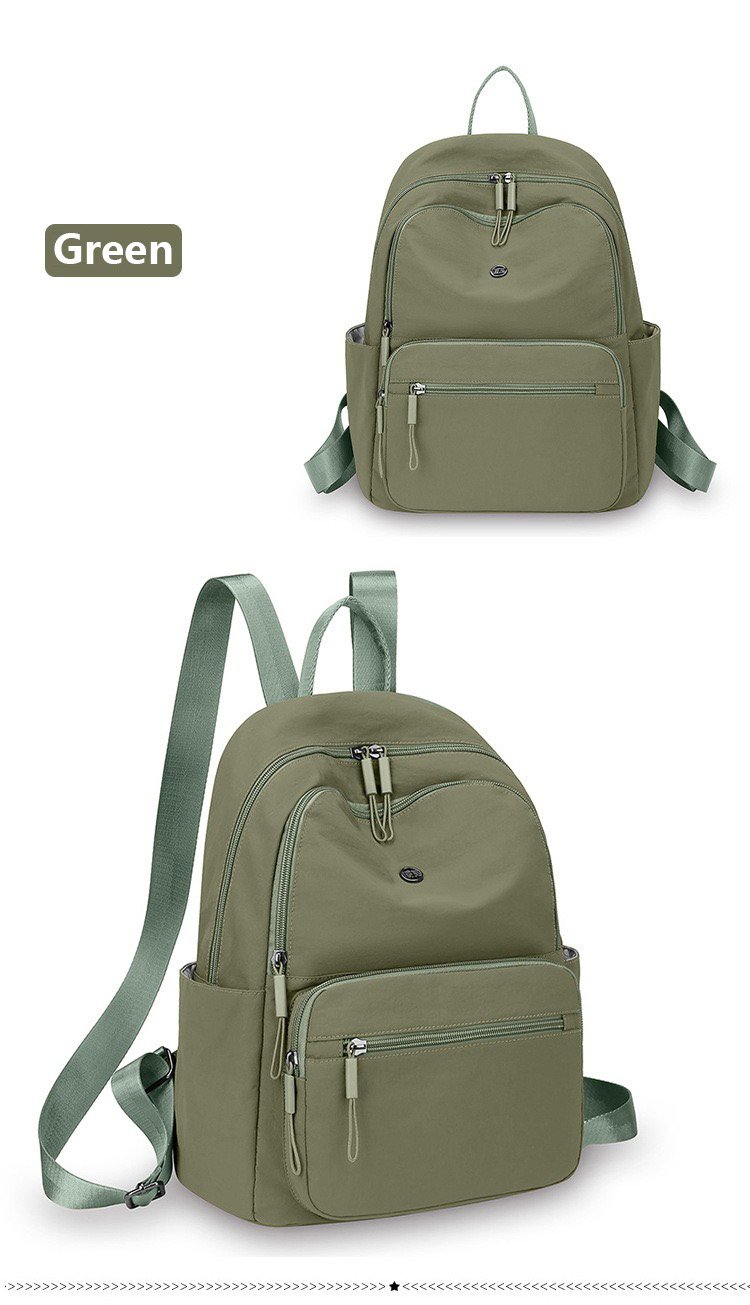
Locating reputable Wholesale Backpack suppliers requires exploring various channels, both online and offline, to identify partners that align with your business’s needs for quality, reliability, and scale. A diversified search strategy can yield a broader range of options and better comparative insights.
Practical channels for sourcing include:
* Online B2B Platforms: Major global B2B marketplaces like Alibaba, Global Sources, and Made-in-China are primary hubs for finding suppliers, especially those specializing in bulk orders and international trade. These platforms allow for filtering by product type, region, and supplier capabilities.
* Industry Trade Shows and Exhibitions: Attending trade shows specific to the bags, luggage, or general consumer goods industry provides an invaluable opportunity to meet suppliers face-to-face, inspect product samples, and discuss terms directly. Events such as the Canton Fair, Hong Kong Gifts & Premium Fair, or specialized bag trade shows are excellent venues.
* Specialized Directories and Databases: Industry-specific directories, both online and print, can list manufacturers and wholesalers by product category. These often provide more curated lists than general B2B platforms and may include smaller, niche suppliers.
* Direct Engagement with Manufacturers: For businesses with specific design requirements or large volumes, directly approaching established bag manufacturers, or a Bookbag Factory known for their production capabilities, can be highly effective. This approach often allows for greater customization and potentially better pricing for significant orders. Websites of companies like Oasis Bags or BagzDepot, which are noted as wholesale backpack suppliers and manufacturers, offer direct channels to explore their product ranges and services (Oasis Bags) (BagzDepot).
* Referrals and Industry Networks: Leveraging professional networks, asking for recommendations from other businesses, or consulting industry associations can lead to trusted suppliers who might not be easily discoverable through public channels.
Thorough due diligence, including background checks and reviewing supplier ratings, is crucial regardless of the sourcing channel used.
For businesses aiming to establish a unique brand identity or cater to specific market niches, a supplier’s customization and bulk order capabilities are paramount. This involves a detailed assessment of their capacity to adapt production processes to meet bespoke design specifications and manage large volumes efficiently.
Key aspects to evaluate include:
* Custom Design and Branding Integration:
* Design Flexibility: Can the supplier work from your original designs, sketches, or CAD files? Assess their ability to translate your vision into a manufacturable product.
* Branding Options: What are the available methods for incorporating your brand? This might include custom logos (embroidery, screen printing, heat transfer), custom labels, branded hardware (zippers, buckles), or unique color schemes. Customization offers a unique branding opportunity (Backpacks USA).
* Material and Component Sourcing: Are they able to source specific materials or components that are integral to your custom design or brand aesthetic?
* Bulk Order Management Efficiency:
* Minimum Order Quantity (MOQ) Flexibility: Understand their standard MOQs and inquire if there’s flexibility for initial smaller test orders or for specific components.
* Production Lead Times: Obtain clear estimates for lead times for both sample production and full bulk orders. Factors like design complexity, material availability, and current production load can influence these times.
* Capacity to Scale: Beyond simply handling large orders, evaluate their operational robustness for managing sudden spikes in demand. This is particularly relevant for businesses that experience seasonal peaks or rapid growth.
* Dedicated Account Management: For complex or large-volume orders, a supplier offering a dedicated account manager can streamline communication and problem-solving, ensuring smooth execution of your Bag Custom In Bulk requirements (Scotiabank International).
A supplier with robust customization capabilities and efficient bulk order processes can significantly enhance your product differentiation and market responsiveness. This is particularly crucial for businesses aspiring to become Custom Backpack Manufacturers themselves, as the supplier becomes a key extension of their manufacturing arm.
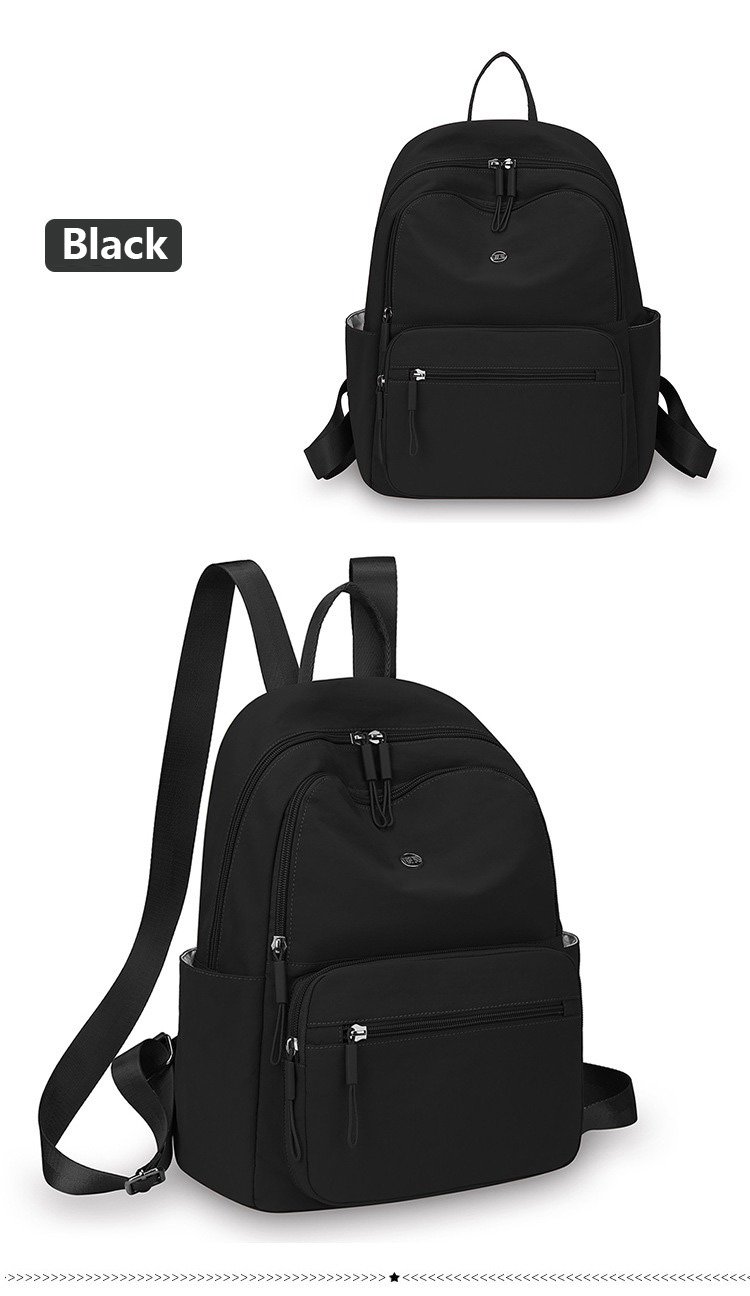
The integrity of your product line and the reliability of your supply chain are directly dependent on the quality control (QC) and logistics capabilities of your chosen wholesale backpack supplier. Establishing clear protocols for these two areas is essential to ensure product consistency and timely market delivery.
For Quality Control:
* Supplier’s Quality Assurance Processes: Inquire deeply into the supplier’s internal QC system. This includes their standards for raw material inspection, in-process checks during manufacturing, and final product inspection. Ask for documentation, such as QC checklists or reports.
* Third-Party Inspection: Consider engaging independent third-party inspection services at various stages of production (e.g., pre-production, during production, final random inspection). This provides an unbiased assessment of product quality before shipment.
* Sample Approval Protocol: Establish a clear process for sample approval. This should cover pre-production samples for design and material verification, and production samples to ensure mass production matches the approved standard.
* Defect Rate Tolerance: Define an acceptable defect rate in your contract. Understanding how the supplier handles non-conforming products, including rework or replacement policies, is crucial.
* Communication Protocols for Quality Issues: A clear communication channel for reporting and resolving quality issues is vital. Prompt and transparent communication helps mitigate potential problems before they escalate. Quality control is not just about checking boxes; it involves competent people and processes for assessing products at every stage (Ferguson Industrial).
For Efficient Logistics:
* Shipping Methods and Costs: Discuss available shipping options (sea, air, rail freight, courier) and their associated costs and transit times. Evaluate which methods best suit your budget and delivery timelines.
* Packaging Standards: Ensure that packaging standards are sufficient to protect the products during transit and meet any specific branding or retail requirements you may have.
* Documentation and Customs Clearance: Verify the supplier’s proficiency in preparing necessary shipping documentation and their experience with international customs procedures. Errors in documentation can lead to significant delays and additional costs.
* Tracking and Visibility: Can the supplier provide robust tracking information for shipments? Real-time visibility into the supply chain allows for better planning and responsiveness.
* After-Sales Support: Understand the supplier’s policy on damaged goods, shipping discrepancies, and warranty claims. Reliable after-sales support is a hallmark of a committed long-term partner.
* Supply Chain Management: A robust quality control system in logistics focuses on ensuring excellence throughout the entire supply chain, from order placement to final delivery (Freight Amigo).
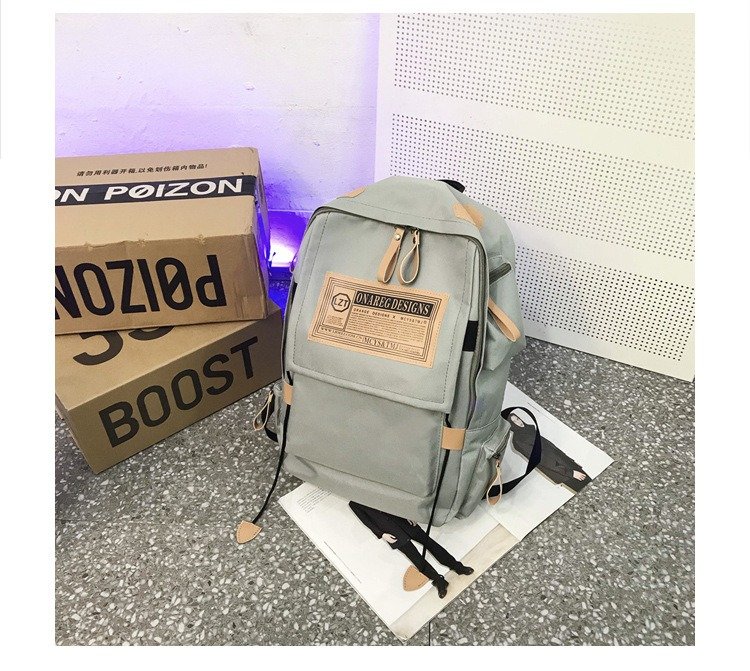
Beyond transactional interactions, fostering robust and collaborative relationships with your wholesale backpack suppliers is a strategic asset that contributes significantly to long-term business growth and resilience. A strong partnership transforms a supplier from a mere vendor into a valued extension of your team.
The benefits of cultivating strong supplier relationships include:
* Improved Pricing and Terms: Long-standing relationships often lead to better pricing agreements, more flexible payment terms, and favorable credit arrangements. As trust grows, suppliers are more inclined to offer preferential rates and support.
* Priority Service and Allocation: During periods of high demand or supply chain disruptions, businesses with strong supplier relationships are more likely to receive priority in order fulfillment and product allocation. This ensures consistent supply, minimizing stockouts and maintaining customer satisfaction (4sgm).
* Collaborative Product Development: A trusted supplier can become a valuable partner in new product development. Their expertise in materials, manufacturing processes, and industry trends can inform design choices, optimize production, and help bring innovative products to market more efficiently. This collaborative approach can give your business a competitive edge.
* Enhanced Communication and Problem Solving: Open and honest communication is a cornerstone of any strong relationship. When challenges arise, a good relationship facilitates quicker problem resolution, whether it’s a quality issue, a logistics hiccup, or an unexpected change in market demand.
* Consistent Supply and Reliability: Knowing you can depend on your supplier for consistent quality and timely delivery alleviates significant operational stress. This reliability allows your business to focus on core competencies like marketing and sales, confident in the stability of its supply chain.
* Increased Flexibility and Responsiveness: Suppliers who value your partnership are generally more willing to accommodate special requests, adjust to last-minute changes, or expedite urgent orders, providing your business with greater agility in a dynamic market (Dropshipzone).
To build such relationships, consistent communication, transparent feedback, timely payments, and mutual respect are essential. Viewing suppliers as partners in your success, rather than just service providers, lays the groundwork for a mutually beneficial and enduring collaboration.
The journey to identifying and partnering with the best wholesale backpack suppliers is multifaceted, demanding a strategic approach that integrates comprehensive research, rigorous evaluation, and a forward-looking perspective on relationship building. Making an informed decision is not about finding the cheapest option, but about securing a partner who aligns with your business values, product standards, and growth aspirations.
Key strategies to culminate in an informed decision include:
1. Prioritize Quality: Always put product quality first. Durable, well-constructed backpacks are essential for customer satisfaction and brand reputation. Request samples and scrutinize manufacturing quality thoroughly (Kingsons).
2. Conduct Due Diligence: Go beyond initial impressions. Verify supplier credentials, check references, and assess their track record for reliability and ethical practices.
3. Compare Transparently: When comparing quotes, look beyond the unit price. Consider MOQs, shipping costs, payment terms, and any additional fees. Not all quotes are equal, and hidden costs can significantly impact profitability (Huafang Bags).
4. Assess Communication and Responsiveness: Evaluate how promptly and clearly suppliers communicate during the inquiry and negotiation phases. This is indicative of their future responsiveness in a working relationship.
5. Long-Term Vision: Choose a supplier who can grow with your business. Consider their capacity for scalability, customization, and willingness to innovate collaboratively.
By meticulously following these steps, businesses can confidently select a wholesale backpack supplier that not only meets immediate operational needs but also serves as a strategic ally for sustained success and market leadership. The right partnership can transform your supply chain into a competitive advantage, driving consistent product availability, quality, and ultimately, customer loyalty.
| Criterion | Description | Evaluation Metric |
|---|---|---|
| Product Quality | Durability, material strength, stitching integrity, zipper reliability. | Sample inspection, defect rate, material certifications. |
| Manufacturing Capacity | Ability to meet required production volumes and scale. | Production lines, machinery, lead times for bulk orders. |
| Pricing Structure | Competitive and transparent pricing, tiered discounts for volume. | Detailed quotes, comparative analysis, hidden cost assessment. |
| Customization Options | Flexibility for custom designs, branding, and material choices. | Design portfolio, branding techniques (e.g., embroidery), MOQ for customization. |
| Logistics & Delivery | Efficiency in shipping, on-time delivery, secure packaging. | Shipping methods, transit times, tracking capabilities, documentation accuracy. |
| Communication & Support | Responsiveness, clarity in communication, after-sales support. | Inquiry response time, dedicated account management, issue resolution process. |
The procurement of wholesale backpacks is a strategic imperative that underpins the operational efficiency and market competitiveness of any business in this sector. This article has illuminated the critical pathways to identifying, evaluating, and securing optimal wholesale backpack suppliers, emphasizing that this decision extends far beyond mere purchasing. It is an intricate process demanding a clear articulation of business needs, a thorough assessment of supplier capabilities—from product quality and customization to logistics and ethical practices—and a commitment to fostering enduring relationships. The judicious selection of a supplier translates directly into superior product offerings, streamlined operations, and enhanced customer satisfaction, laying a robust foundation for sustainable growth. In a dynamic market, the resilience and agility of a business are often a direct reflection of the strength and reliability of its supply chain partnerships. Therefore, an informed decision in this realm is not merely a transaction, but a strategic investment in future success.




![[BagsProducer]Top Tips for Choosing a Reliable Custom Beach Bag Supplier in Bulk](https://www.bagsproducer.com/wp-content/uploads/2025/10/image-8-768x698.jpg)