Customer Service
info@bagsproducer.com
Work Hours
Monday to Friday: 9AM - 6PM
Company Address
No.188, Taixin Street, Quanzhou, Fujian Province, China
Customer Service
info@bagsproducer.com
Work Hours
Monday to Friday: 9AM - 6PM
Company Address
No.188, Taixin Street, Quanzhou, Fujian Province, China
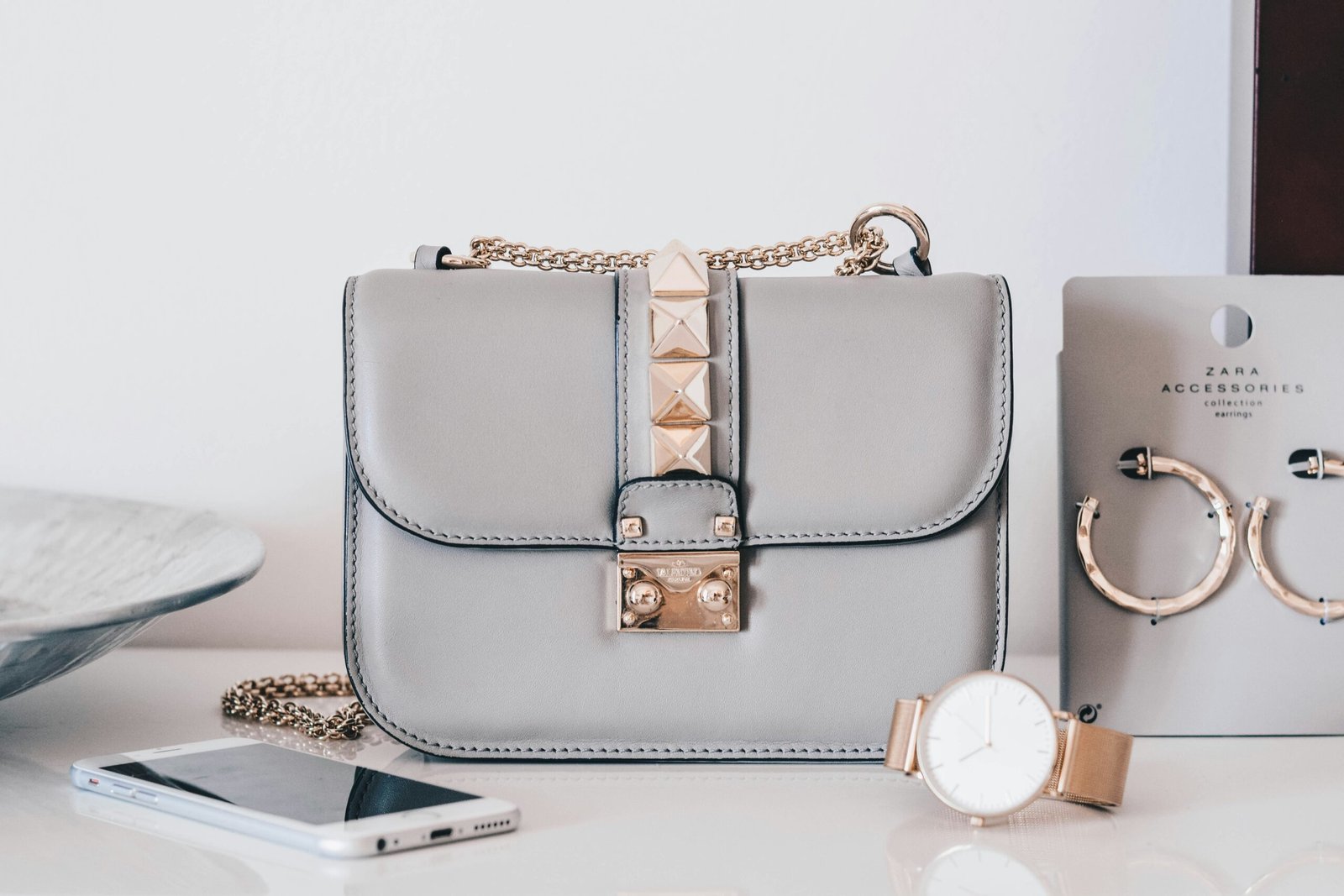
In fashion, details are everything. They tell stories, set moods, and transform something ordinary into something extraordinary. When it comes to handbags, metal accents and hardware are the details that often make the biggest impact. A clasp, a buckle, or a chain may seem like a small addition, but these components are what give a bag its personality. They are the subtle touches that turn a simple accessory into a symbol of style, confidence, and individuality.
At first glance, hardware might seem purely functional—a way to fasten, close, or carry. But in modern design, metal details play a much larger role. They define the bag’s character. They communicate tone, emotion, and attitude before you even touch the leather.
Think about the difference between a soft leather tote with minimal silver zippers and a structured handbag with polished gold clasps. One says effortless sophistication; the other screams luxury and precision. Hardware transforms not just the look, but the feel of a bag.
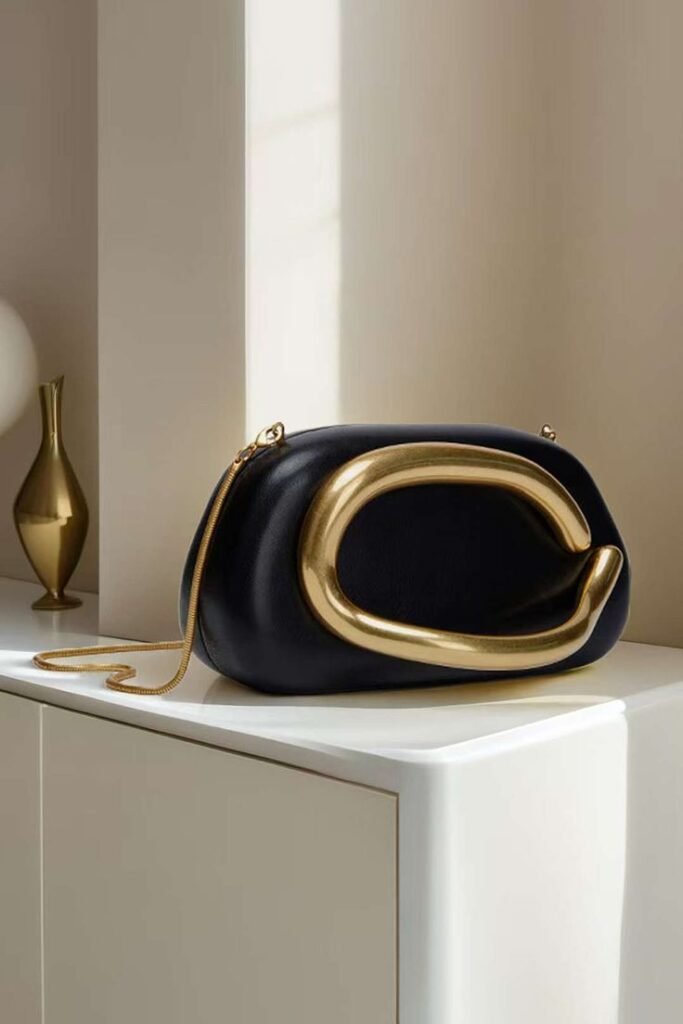
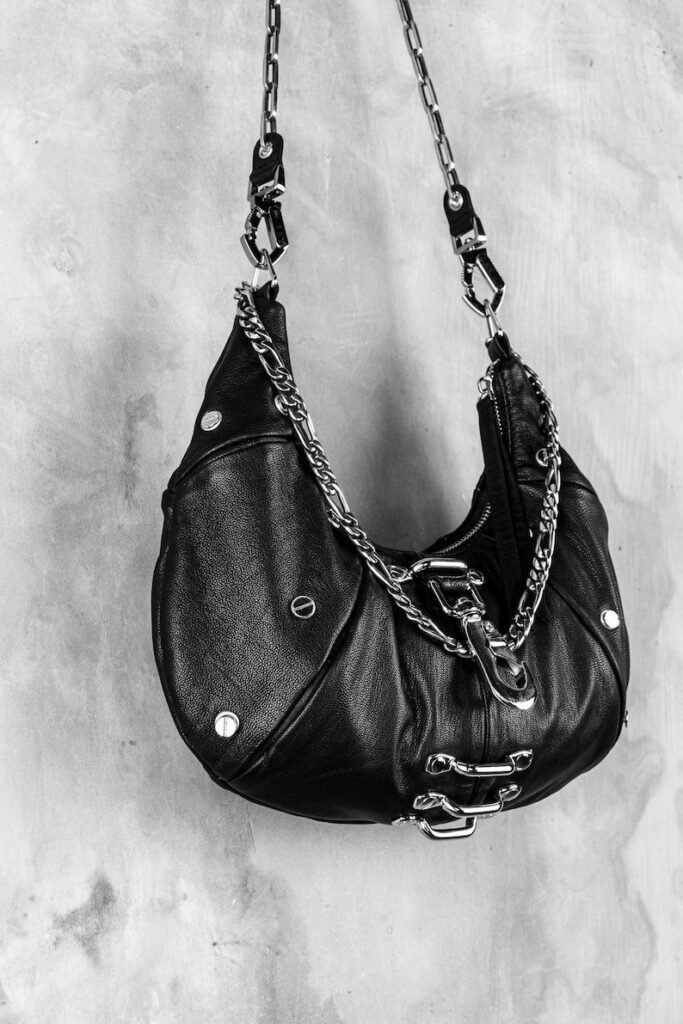
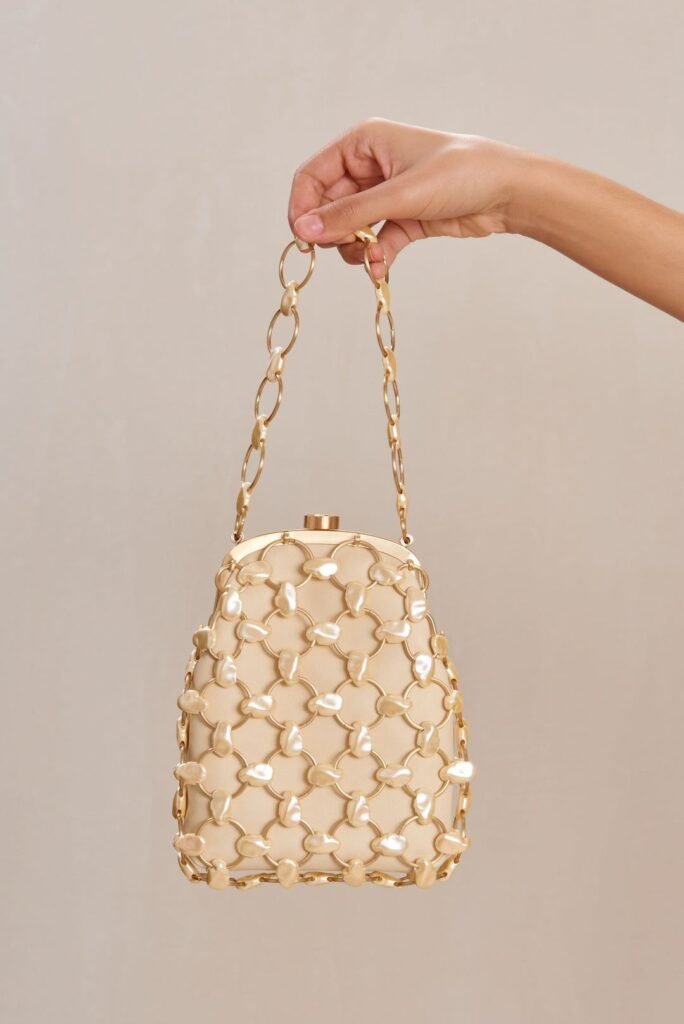
Designers know that even a half-inch of metal can shift perception. The weight of a chain, the texture of a zipper pull, the sound a clasp makes when it locks—all of these contribute to the sensory experience of carrying a bag. The best hardware doesn’t merely decorate; it enhances every interaction you have with the product.
The relationship between bags and metal dates back centuries. In the early 1900s, hardware was practical. Buckles and clasps were made from brass or steel to ensure durability for travel trunks and doctor bags. But as fashion evolved, so did function. By the 1950s, metal became decorative—a sign of luxury and distinction.
Iconic houses like Hermès, Gucci, and Chanel led this transformation. Hermès introduced the elegant turn-lock clasp, giving rise to the now-legendary Kelly bag. Gucci redefined its equestrian heritage through the horse-bit buckle, turning hardware into a hallmark of identity. Chanel went further, weaving metal chain straps through leather—creating one of the most recognizable silhouettes in fashion history.
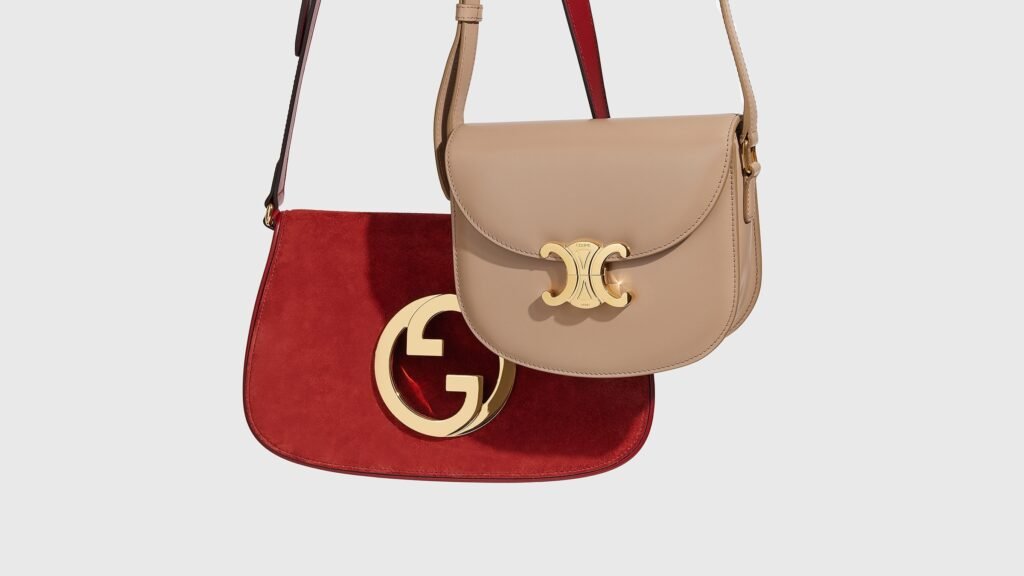
Today, hardware is not just an accessory but an integral design language. Oversized buckles, sculptural closures, and innovative magnetic systems define the latest collections. Whether minimalist or maximalist, industrial or refined, the hardware speaks before the logo does.
In 2025, hardware trends have taken a turn toward expressive minimalism. Designers are using metal not to overwhelm but to accentuate—choosing finishes that emphasize contrast, texture, and sophistication. Below is a quick look at the most sought-after finishes this year:
| Finish Type | Visual Mood | Best Match For |
|---|---|---|
| Polished Gold | Warm, classic, luxurious | Leather totes and evening handbags |
| Brushed Brass | Vintage, artisanal | Canvas, suede, or textured materials |
| Matte Silver | Modern, sleek, understated | Structured crossbody bags |
| Rose Gold | Romantic, feminine | Pastel or nude palettes |
| Gunmetal Black | Edgy, bold, industrial | Streetwear or unisex backpacks |
| Mixed Metals | Eclectic, fashion-forward | Statement or runway-inspired pieces |
This blend of finishes highlights how consumers today value versatility and identity over conformity. A single piece of hardware can shift between elegance and rebellion—depending on how it’s styled.
Beyond aesthetics, hardware plays a crucial technical role. It must be strong yet lightweight, durable yet refined. Each element—zippers, snaps, hooks, or rings—must undergo precise engineering to meet both visual and functional standards.
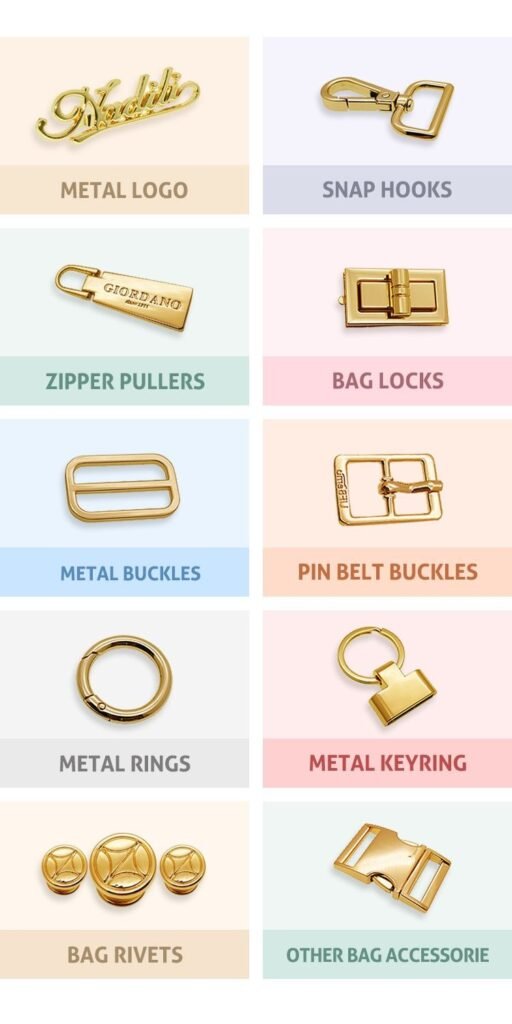
A well-made zipper should glide effortlessly. A clasp must click shut with satisfying precision. The balance between beauty and usability is what separates high-quality bags from the rest.
Manufacturers who understand this pay attention to every detail: the plating thickness, the polish level, even how the metal feels under your fingers.
For brands like TotebagFactory, hardware is never an afterthought. Each piece is tested for resilience and designed to complement the bag’s silhouette. Whether it’s a minimalist laptop backpack or a premium leather tote, the hardware serves both form and function—making sure the design not only looks sharp but lasts.
If fabric and shape tell the story of a bag, hardware is its punctuation mark—the spark that defines its tone. The type of metal, its finish, and placement all communicate subtle cues about who the wearer is.
Hardware, in essence, allows personal expression without words. It bridges the space between practicality and poetry—between everyday use and aesthetic storytelling.
As sustainability becomes central to fashion, brands are reimagining even the smallest components. Metal production, once energy-intensive and wasteful, is undergoing a quiet revolution.
Today’s forward-thinking bag manufacturers are turning to recycled alloys, lead-free plating, and water-based coating techniques to reduce environmental impact. By reusing metals or sourcing from certified suppliers, designers can maintain quality while significantly lowering their carbon footprint.
Additionally, new hybrid materials—like aluminum-resin blends—are gaining popularity. They offer the same strength as traditional brass but are lighter and more eco-friendly. Even the packaging for hardware components has shifted from plastic wraps to biodegradable paper.
These innovations aren’t just about ethics; they’re about performance. Sustainable metals resist tarnish, maintain color longer, and provide a refined tactile feel—all while aligning with the growing consumer demand for responsible luxury.
The beauty of metallic detail lies in its versatility. It can elevate both casual and formal outfits, adding polish to even the simplest ensemble. Here are some practical styling insights for different settings:
A tote bag with matte silver zippers pairs beautifully with neutral workwear. It offers a subtle shine that feels elegant yet understated—ideal for daily commutes or office environments.
For relaxed weekends, brushed brass or aged gold accents complement denim and casual layers. A crossbody bag with these details exudes effortless style while remaining functional.
When dressing up, polished gold or rose-gold hardware becomes your best ally. Pair a sleek clutch with metallic heels or jewelry for a cohesive, luminous finish.
Gunmetal chains and oversized buckles instantly add attitude. They’re perfect for fashion-forward outfits—think monochrome layers, leather jackets, or bold sneakers.
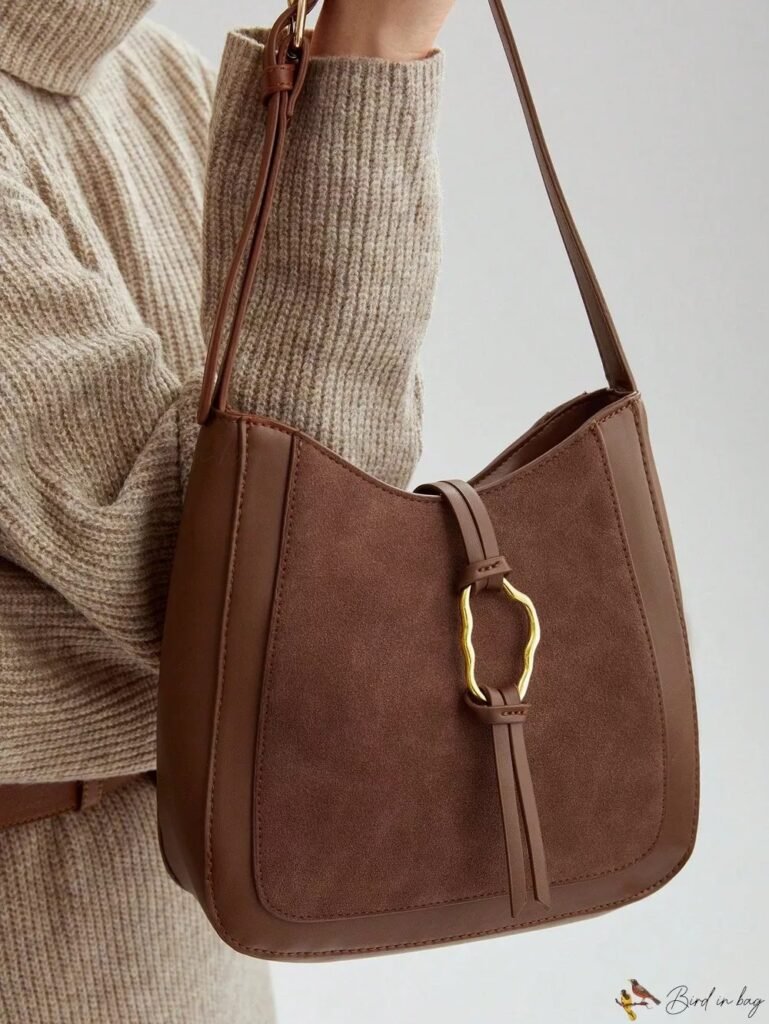
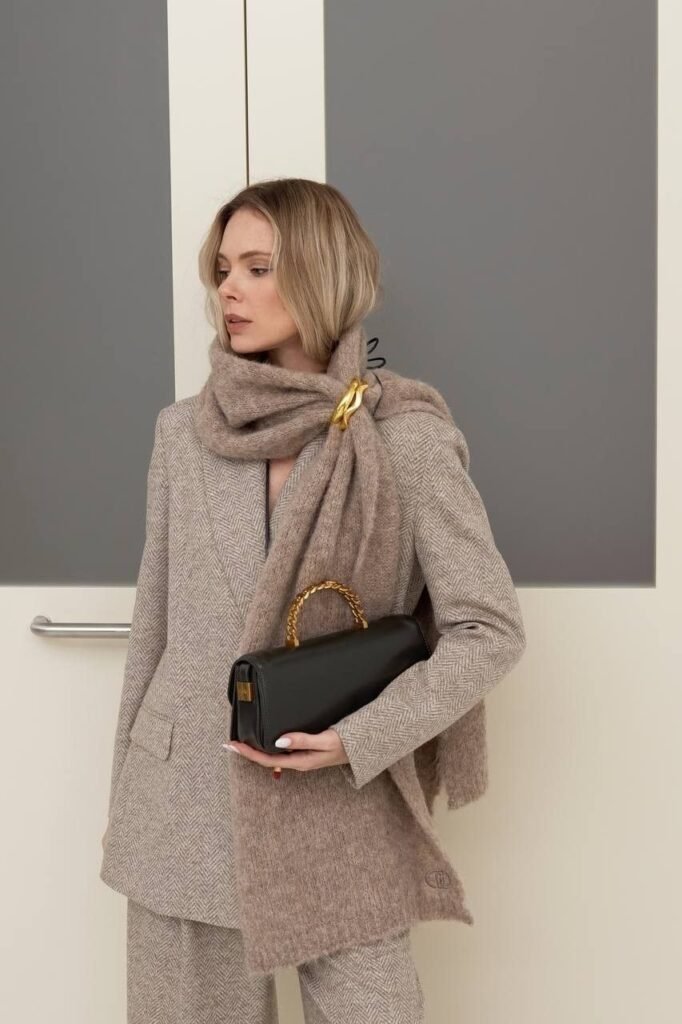
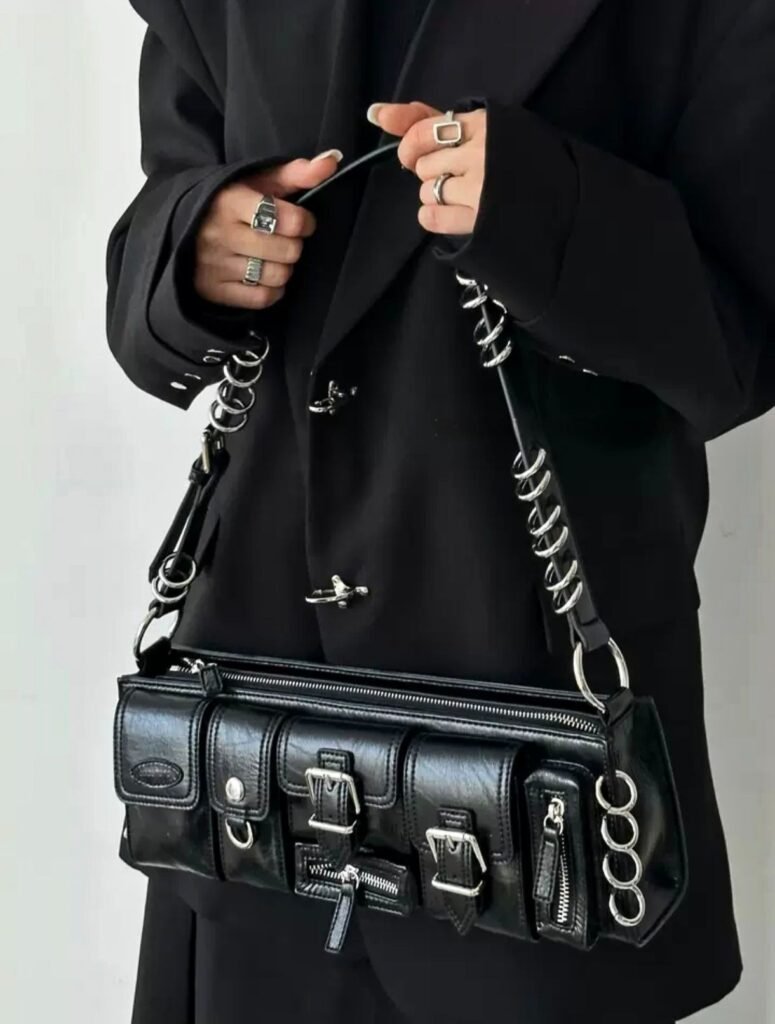
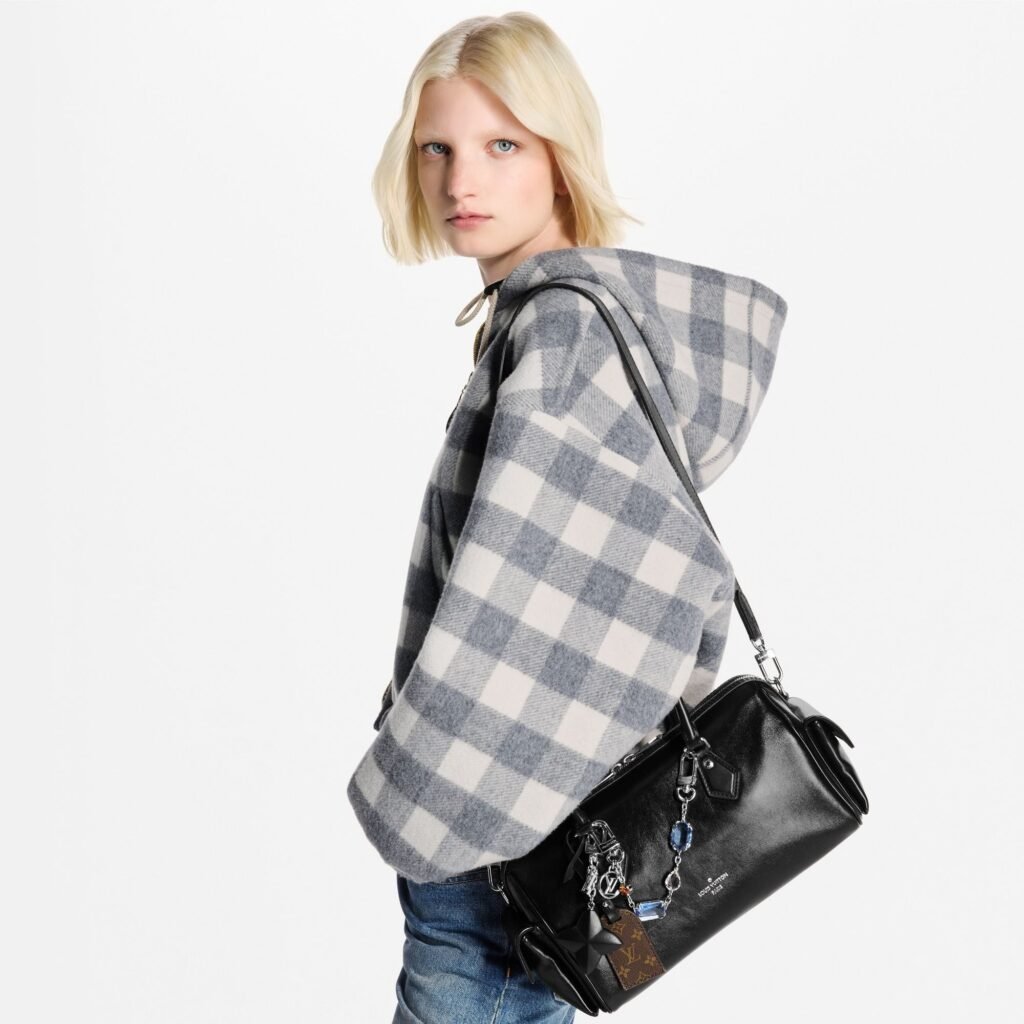
By paying attention to hardware, you can easily transition your look from day to night, from subtle to statement.
In design, balance is key. Too much hardware can overpower a bag, while too little might make it feel incomplete. The trick lies in knowing how metal complements material.
For example, leather pairs beautifully with warm gold or brass, while nylon and technical fabrics match better with cool silver or gunmetal tones. Likewise, soft pastel hues gain warmth from rose gold, while neutral shades look elevated with mixed-metal finishes.
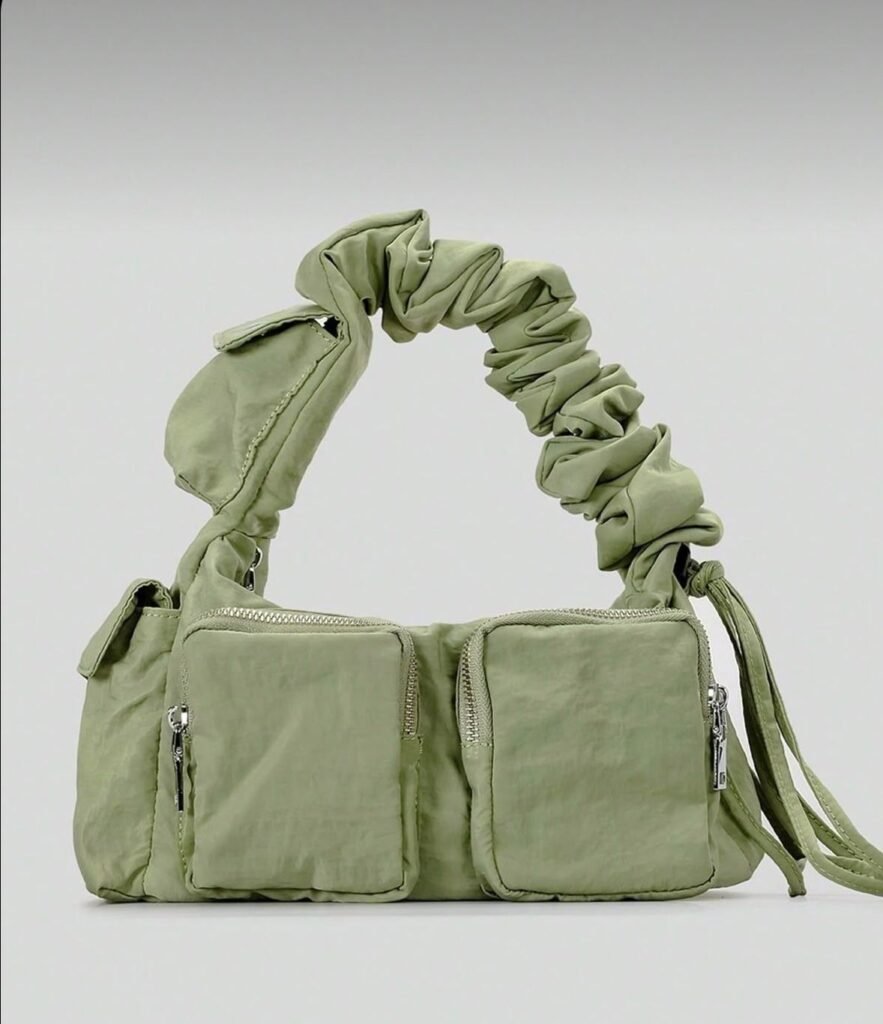
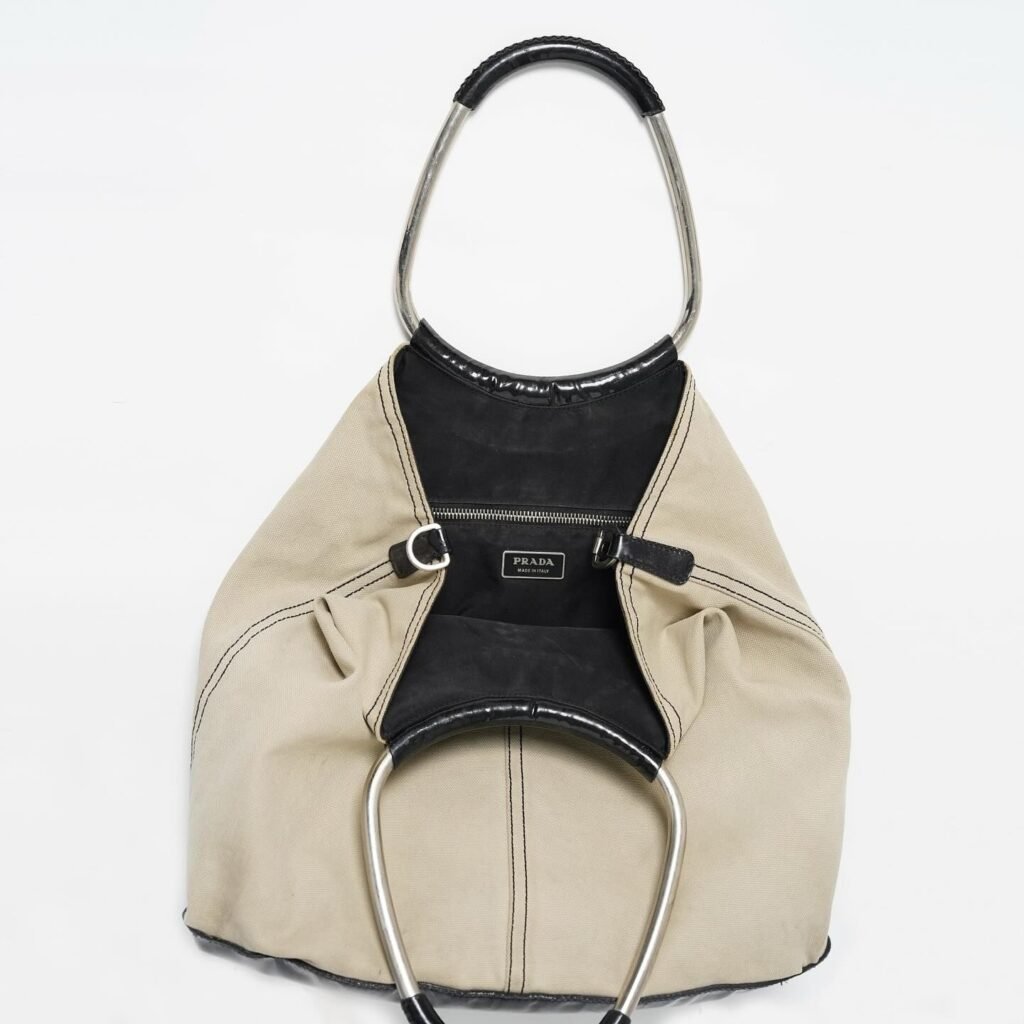
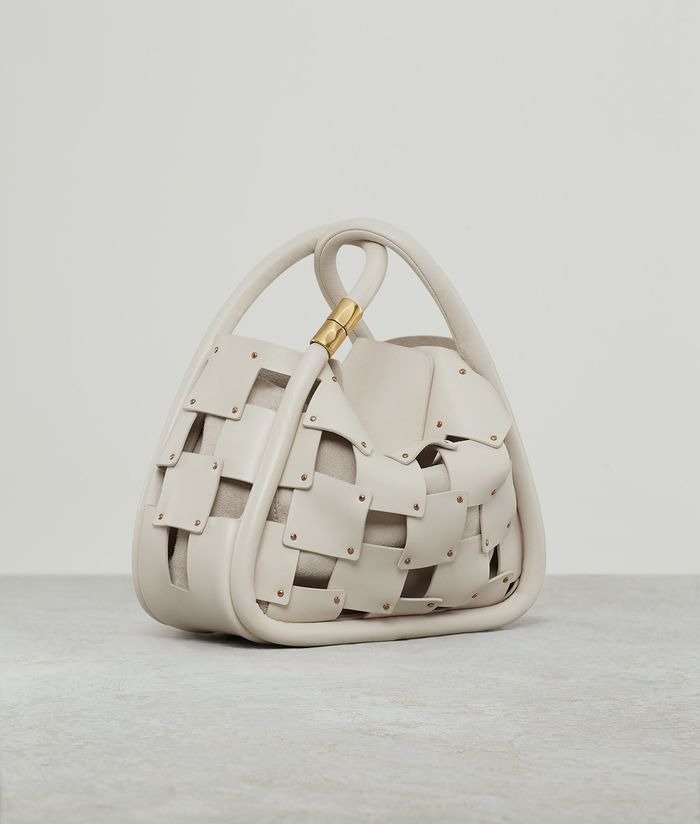
Designers often experiment with asymmetrical placements or minimal hardware zones to keep the focus clean and modern. The goal isn’t to make the metal shout—but to make it sing quietly in harmony with the rest of the bag.
Behind every piece of beautiful hardware lies a story of precision craftsmanship. The metal must be molded, plated, and polished multiple times to achieve a flawless finish. Each screw, rivet, and ring must align perfectly with the bag’s construction.
The plating process alone can involve several layers—nickel for strength, gold or chrome for shine, and a protective topcoat to resist scratches. High-end manufacturers use advanced techniques like vacuum deposition plating to ensure consistency and longevity. This attention to detail is what separates mass-produced pieces from true artistry.
The result? Hardware that not only enhances design but endures time. Years later, when leather softens and fabric fades, it’s often the metal accents that continue to gleam—reminding you why quality matters.
In today’s fashion landscape, luxury isn’t defined solely by logos or price tags. It’s about thoughtfulness, design integrity, and emotional connection. Hardware embodies all three.
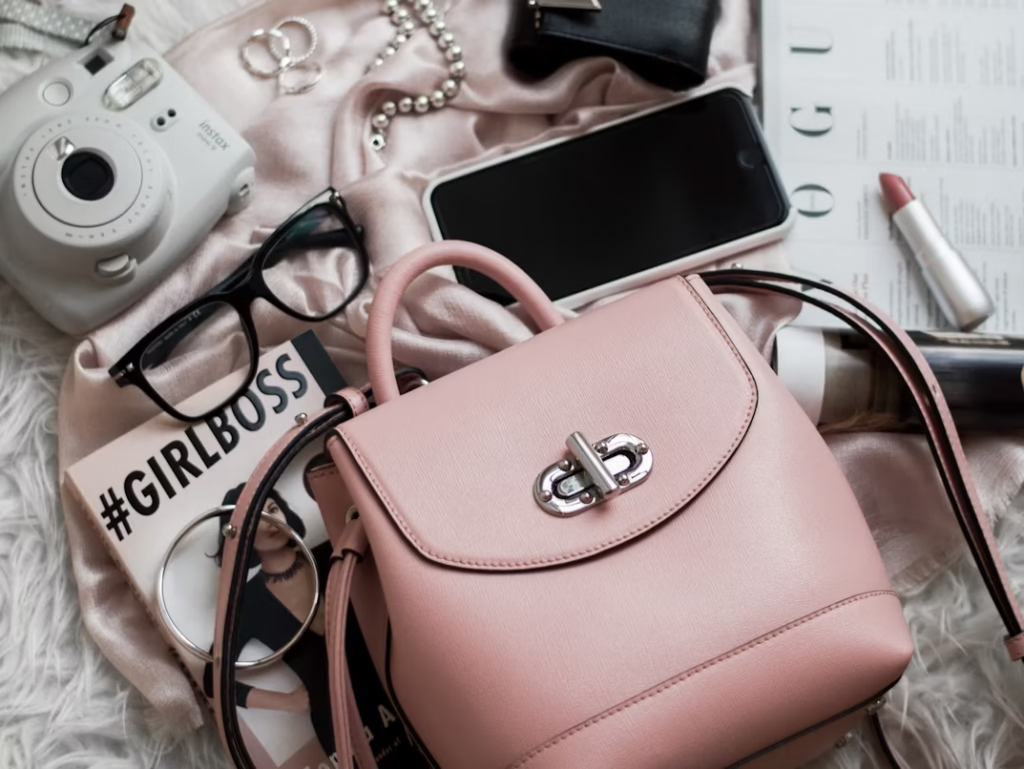
The subtle weight of a chain, the cool touch of a clasp, or the satisfying click of a magnetic lock—these sensations form part of what makes owning a well-crafted bag so special. Hardware transforms functionality into experience, and experience into memory.
For brands, investing in high-quality hardware is investing in perception. For customers, it’s an invitation to appreciate craftsmanship that lasts. That’s why, whether you’re a designer, retailer, or everyday bag lover, understanding hardware is key to understanding the soul of a bag.
Metal accents and hardware might be small, but their impact is immense. They are the difference between a bag that’s simply useful and one that feels alive. Each buckle, clasp, and chain carries the essence of design—precision, artistry, and emotion—reflected in every glint of light.
In 2025 and beyond, this focus on craftsmanship and subtle detail will continue shaping the way we see and carry our bags. Because true style isn’t loud—it shines quietly through quality, thought, and the beauty of detail.
So next time you reach for your favorite bag, take a closer look at the metal that holds it together. That little piece of hardware might just be the heart of the entire design.
You must be logged in to post a comment.


![[BagsProducer]How To Rank #1 For Your Tote Bag Custom Business](https://www.bagsproducer.com/wp-content/uploads/2025/08/image-8-768x512.jpg)

![[BagsProducer]Beyond Price: How to Source Truly Valuable Cheap Wholesale Bags with Custom Design Potential](https://www.bagsproducer.com/wp-content/uploads/2025/10/image-3-768x768.jpg)

Delayed Onset Factors
Delayed Onset Factors
sinusitis patient information
sinusitis patient information
sildenafil restricted use
sildenafil restricted use