Customer Service
info@bagsproducer.com
Work Hours
Monday to Friday: 9AM - 6PM
Company Address
No.188, Taixin Street, Quanzhou, Fujian Province, China
Customer Service
info@bagsproducer.com
Work Hours
Monday to Friday: 9AM - 6PM
Company Address
No.188, Taixin Street, Quanzhou, Fujian Province, China
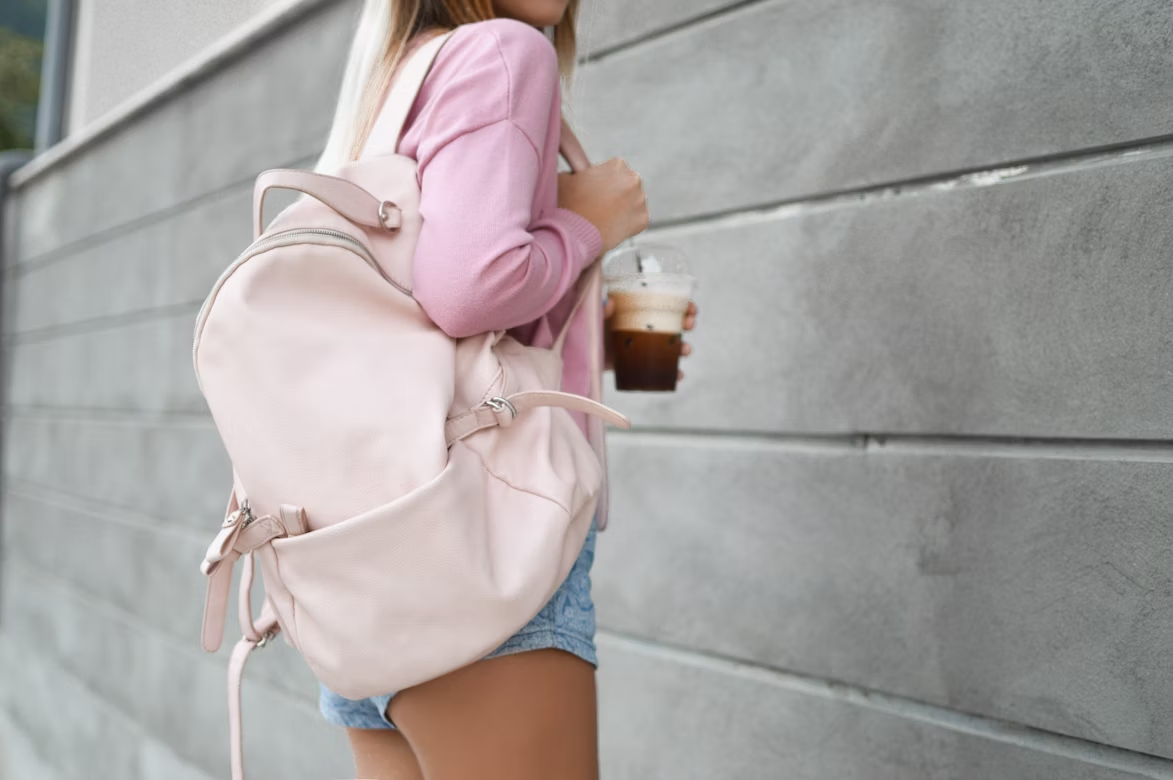
For many years, backpacks were most commonly associated with students. They were seen primarily as bags for carrying books, notebooks, and daily school essentials. However, the workplace, commuting habits, and fashion priorities have changed significantly. Today, backpacks have evolved into practical, professional, and stylish accessories that people confidently carry into offices, business meetings, coworking spaces, and airports. The modern backpack is no longer casual by default; it is a refined tool of organization, mobility, and personal expression.
This shift is closely tied to broader cultural changes. Professionals now move frequently throughout the day. Many work between home, office, and public spaces. The need for comfort, storage, and efficiency has grown. As a result, bags must do more than complement outfits—they must support daily function. Work-ready backpacks provide hands-free convenience, stable weight distribution, and thoughtfully structured compartments that align with tech-driven lifestyles. They solve modern needs without sacrificing aesthetic sophistication. As a result, they are now a central category in the world of professional accessories.
The backpack has transitioned from a school accessory to a workplace staple through a long process of design refinement. Earlier backpacks were often bulky, casual, and designed primarily for durability. Over time, designers began to rethink the silhouette, adding new shapes, materials, and organizational features that matched the needs of professionals.
Several cultural and lifestyle influences contributed to this evolution:
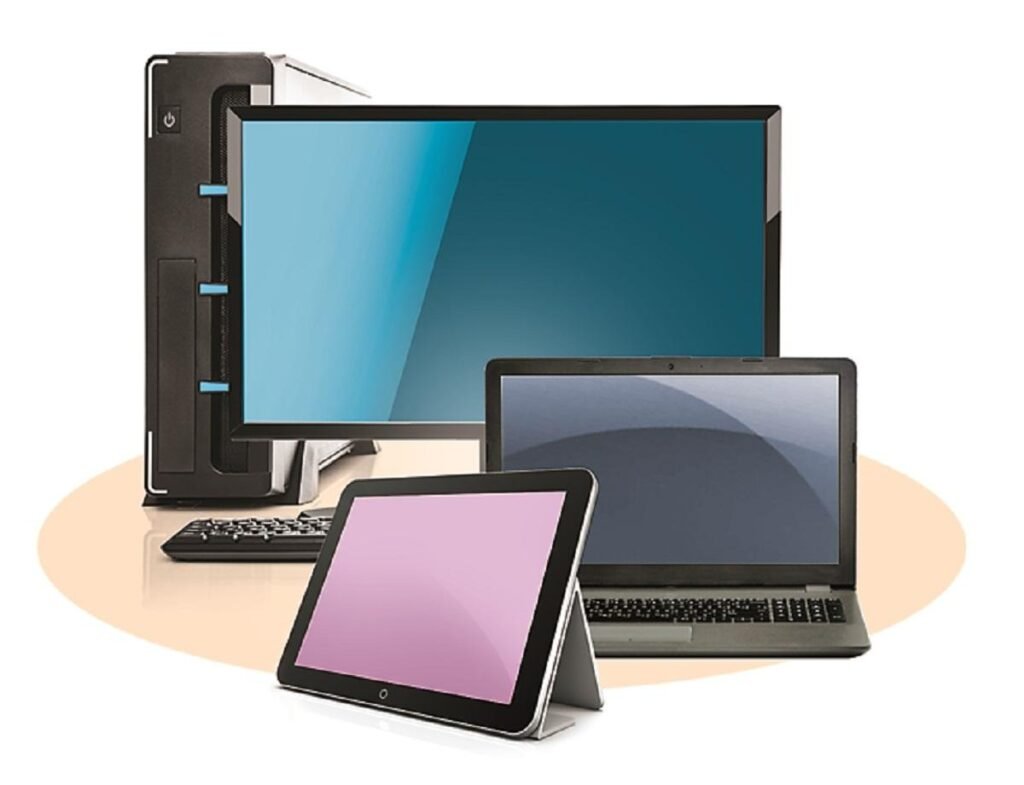

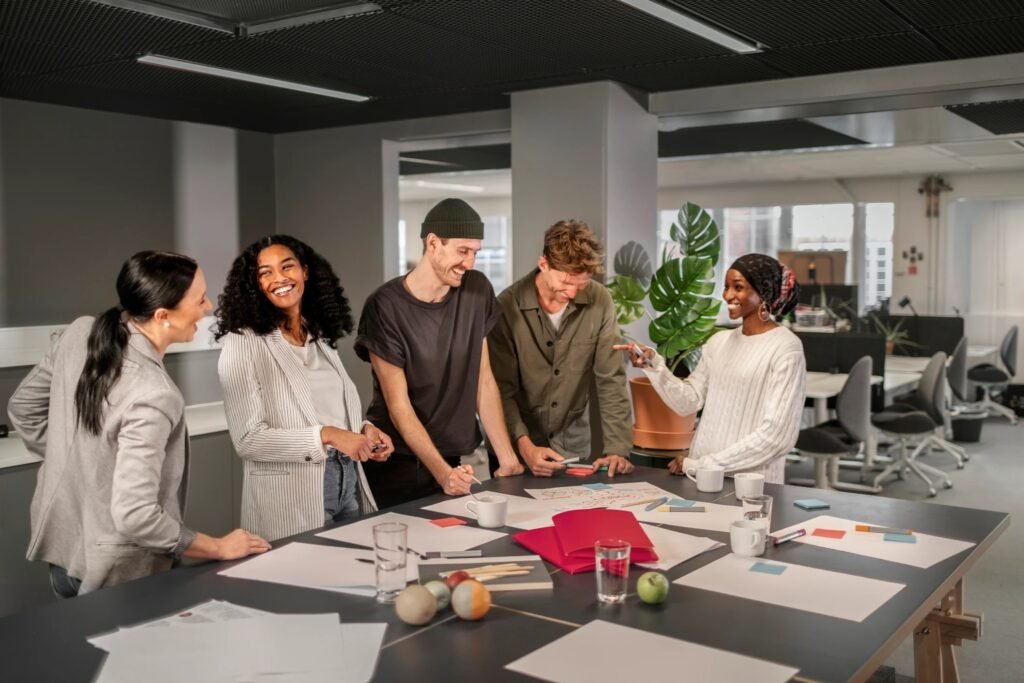
These influences led to backpacks that provide both structure and elegance. They are designed not only to carry items, but to enhance the wearer’s presence and comfort throughout the day.
What separates a professional backpack from a casual one is not just appearance but intention. Work-ready backpacks are designed to support productivity, protect personal technology, and maintain visual form.
Common characteristics include:
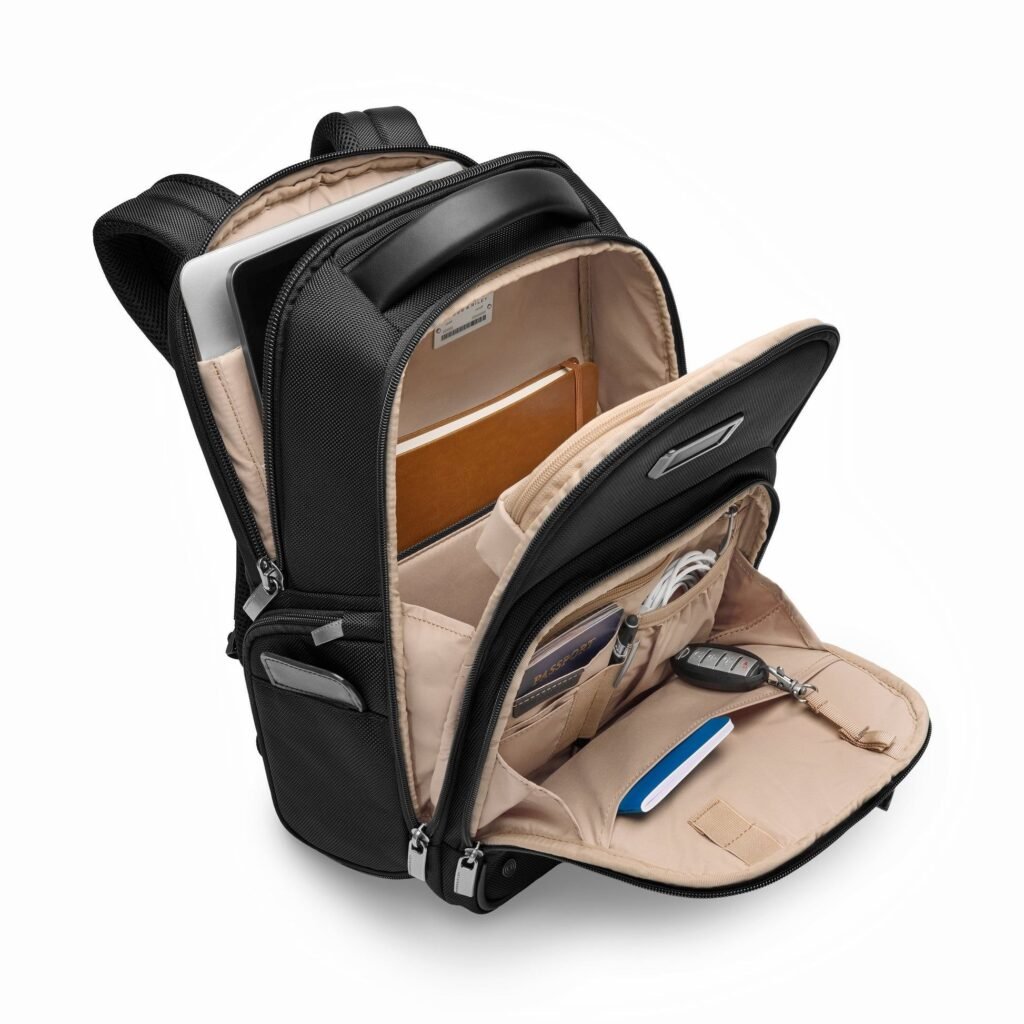
These details communicate professionalism while also enhancing daily efficiency.
Material choice defines both the functional performance and visual effect of a backpack. Professional environments benefit from materials that appear polished and hold their structure well.
| Material | Key Advantages | Ideal Use Scenarios |
|---|---|---|
| Vegan Leather / PU Leather | Smooth, formal, easy to maintain | Office work, corporate meetings, polished outfits |
| Ballistic Nylon | Strong, tear-resistant, often water-resistant | Daily commuting, frequent city movement |
| Waxed Canvas | Soft texture that ages naturally | Creative workspaces, relaxed office dress codes |
| Recycled Polyester | Lightweight and sustainability-focused | Eco-conscious workplaces and personal lifestyles |
Brands increasingly emphasize sustainable sourcing and long-term durability, aligning with broader environmental awareness. The modern consumer values quality that lasts, making strong materials an important part of purchase decisions.
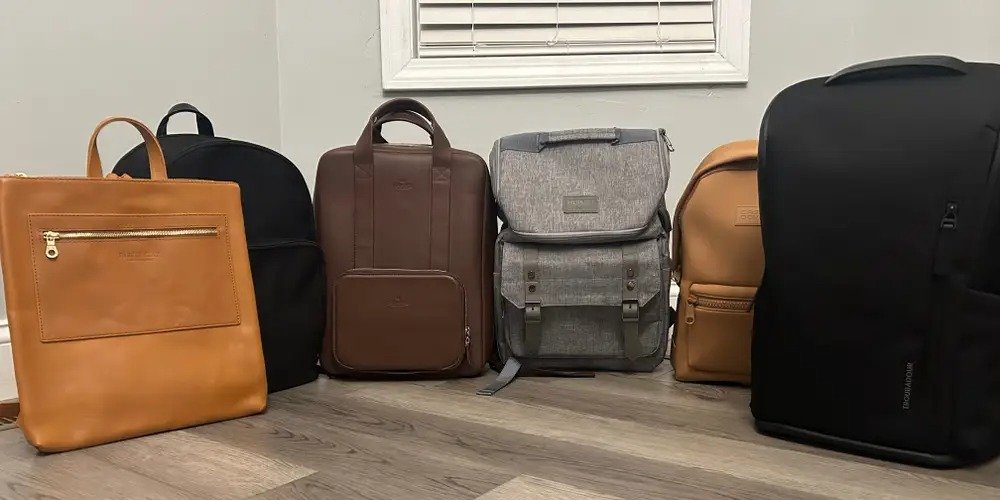
There is no single work backpack style. Instead, the market now supports diverse silhouettes to align with different professions, personal styles, and daily movement.
Slim Work Backpacks
Characterized by clean lines and minimal decoration. These blend seamlessly with tailored clothing and formal offices.
Structured Leather Backpacks
Serve as a contemporary replacement for briefcases. Often selected by professionals who want a commanding, polished aesthetic.
Convertible Backpack-Tote Hybrids
Feature handles and detachable straps for multiple carrying modes. Useful for individuals who shift frequently between desk work and travel.
Travel-Oriented Work Backpacks
Designed with luggage sleeves, passport pockets, and cable management sections. These support business trips, trade shows, and client meetings across locations.
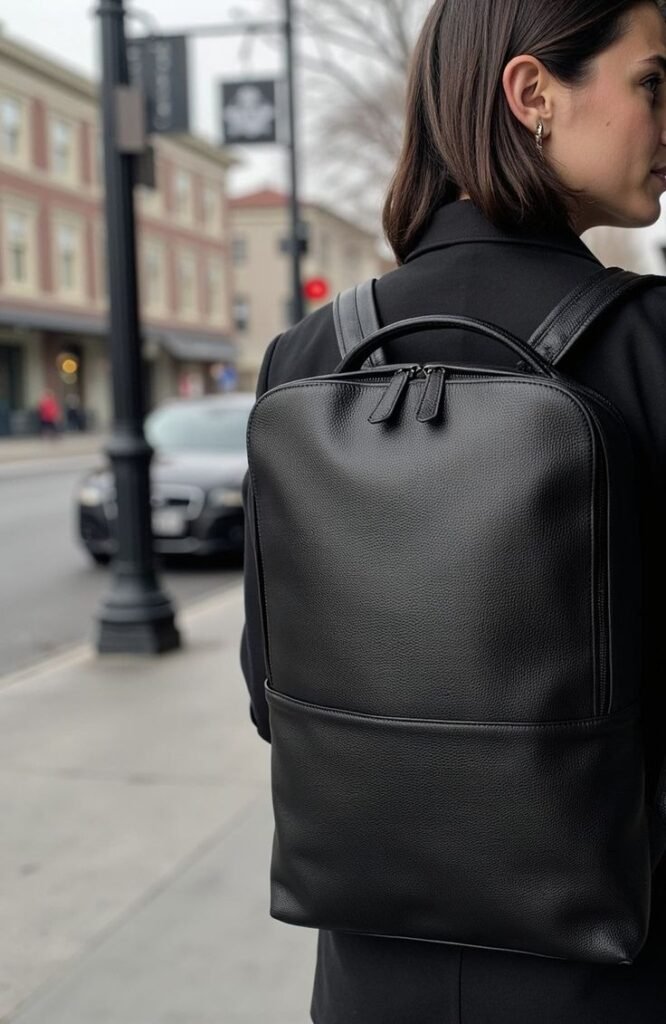
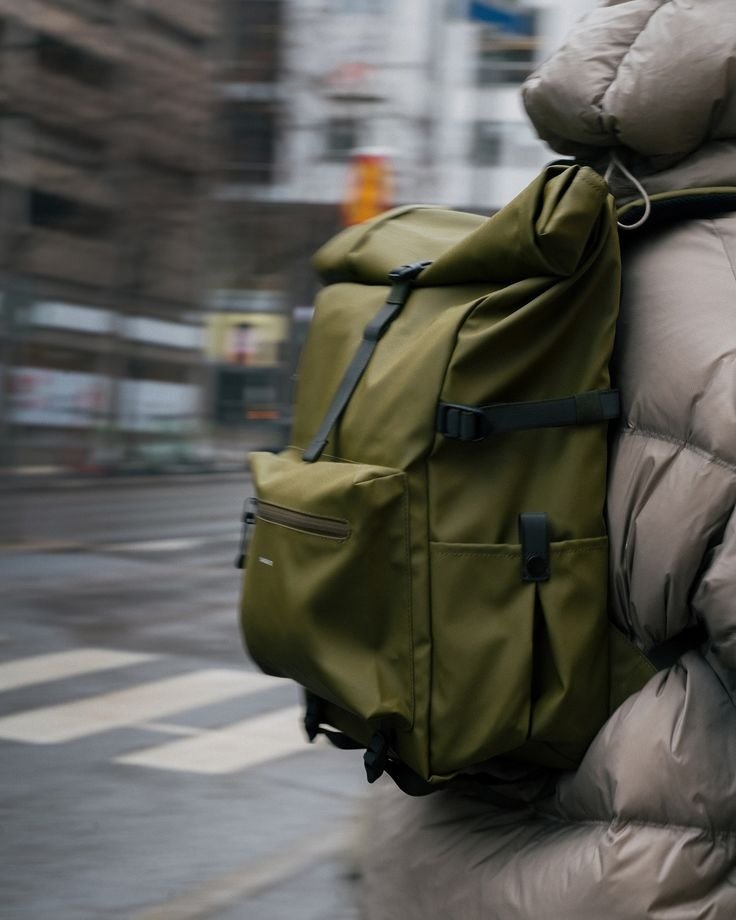
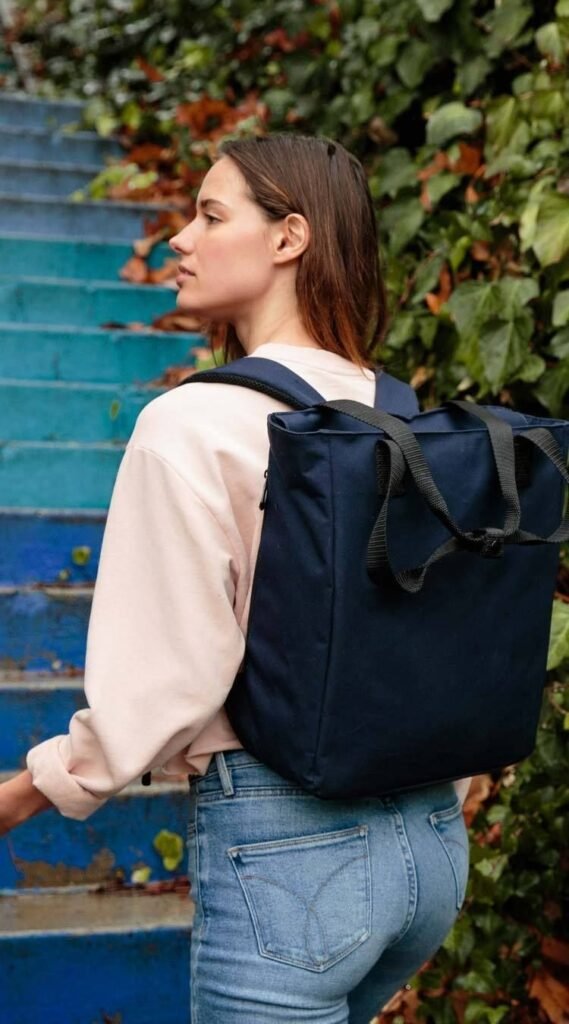
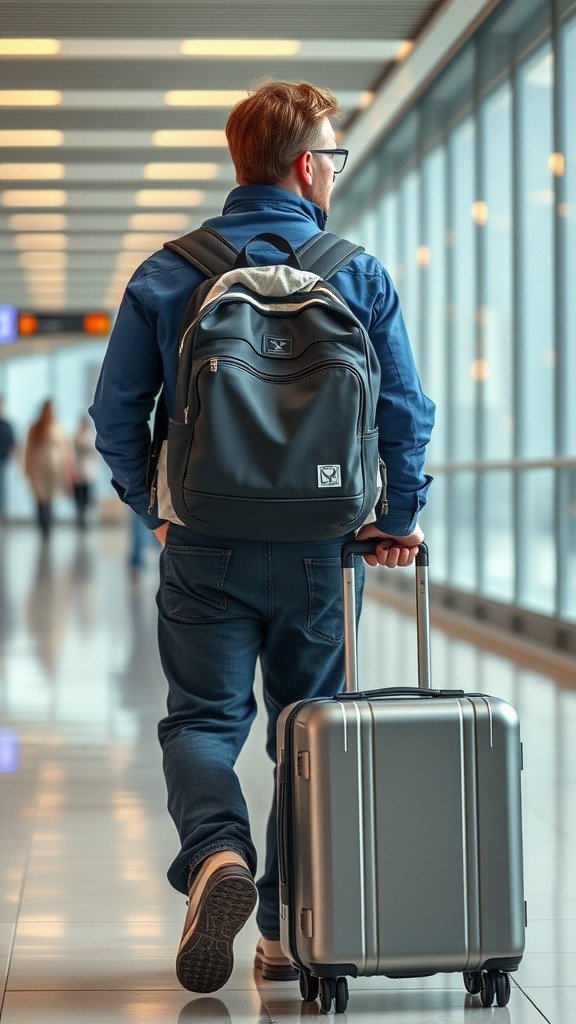
These variations allow professionals to choose a backpack that aligns precisely with their routine.
The renewed popularity of backpacks is not simply based on aesthetics. It reflects changing priorities in work culture and personal well-being.
These advantages have made backpacks appealing not only to younger professionals but also to executives and established workers who seek practical refinement.
The versatility of a backpack depends largely on color, shape, and ornamentation. A suited professional may prefer a structured leather design in black or espresso brown, while a designer in a creative studio might choose a waxed canvas bag with metal hardware.
Recommendations for coordinated styling:
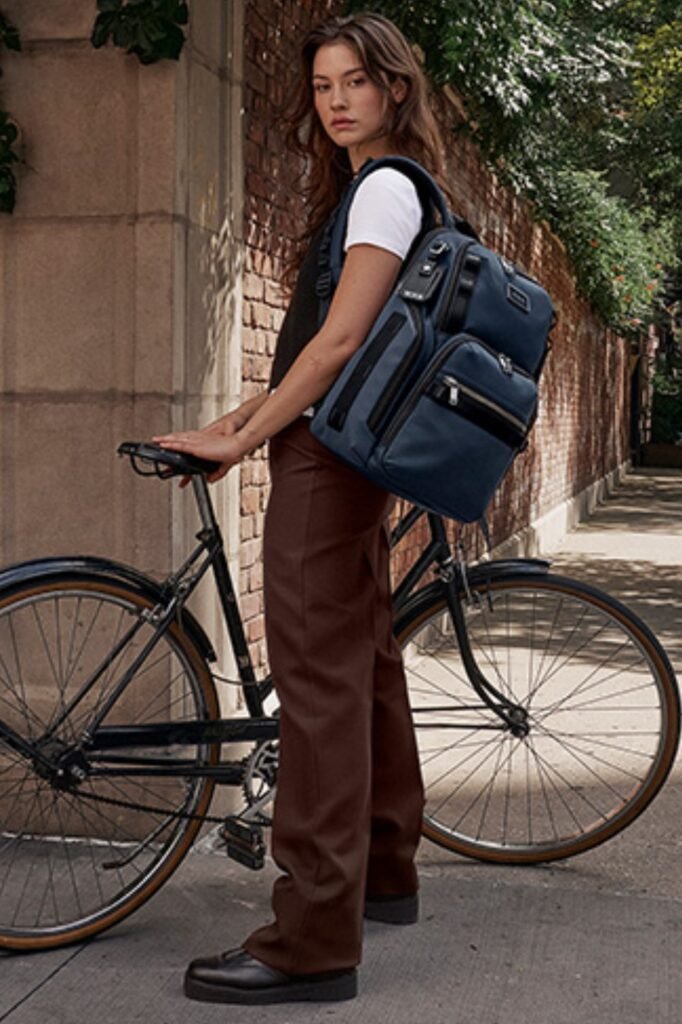
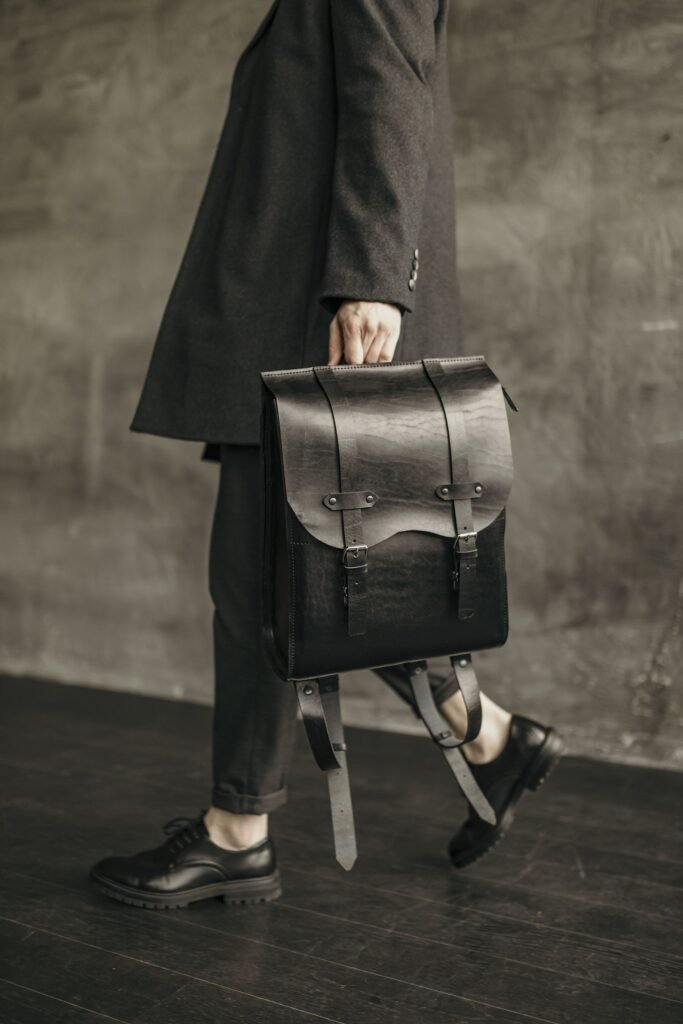
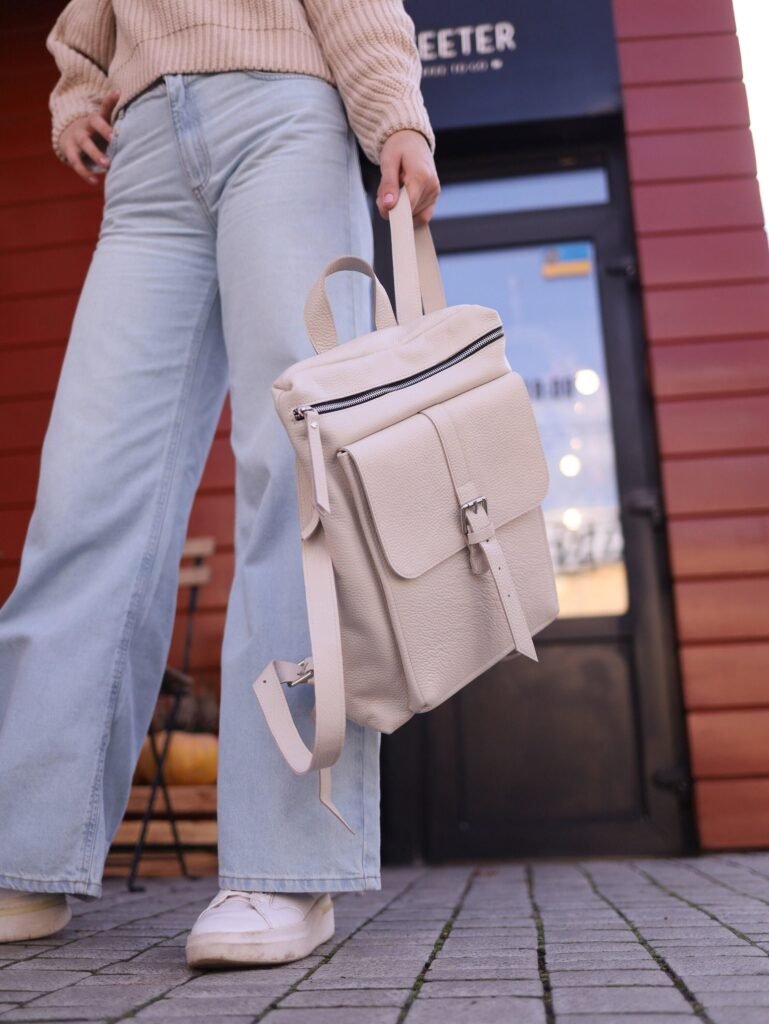
The key is ensuring that the backpack enhances the outfit rather than overpowering it. Clean lines and minimal branding typically achieve the most professional result.
With the growth of remote and flexible work, travel-friendly backpacks have become essential. Work does not always happen in a single location, so portability and organization are crucial.
Features that support travel include:
These upgrades reflect awareness of the modern professional lifestyle, where the line between office and movement is fluid.
Sustainability has become a core factor in backpack manufacturing. Many brands now prioritize:
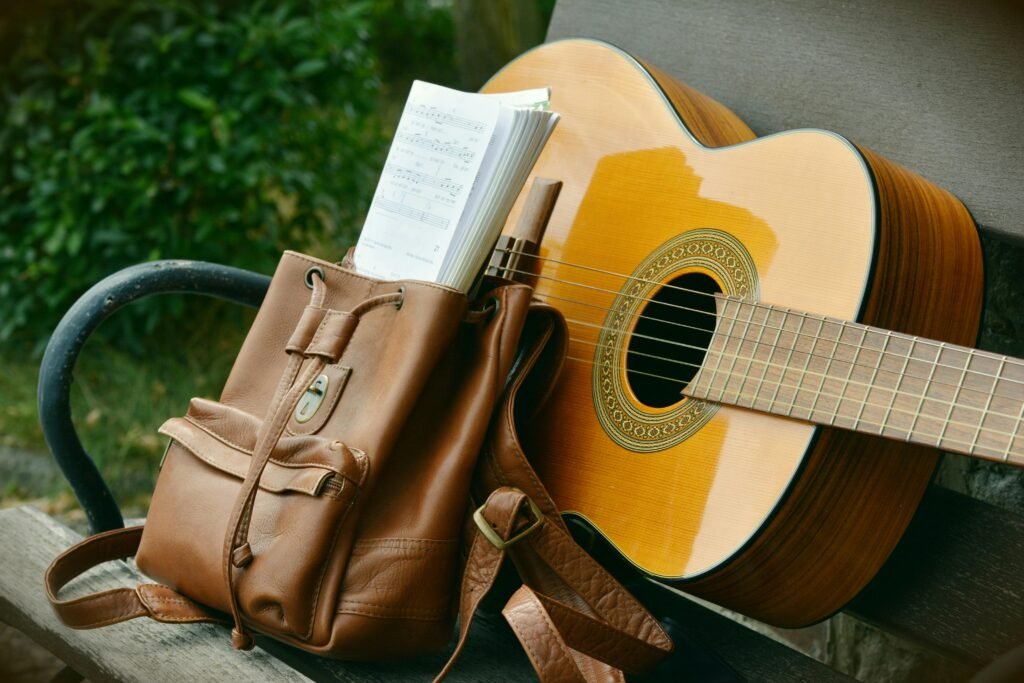
Consumers increasingly seek products that perform well without contributing to unnecessary waste. The work backpack serves this goal when designed with longevity and ethical production in mind.
Backpacks have made a clear transition from student accessory to workplace essential. Their modern design reflects the needs of professionals who value comfort, structure, mobility, and personal expression. With thoughtful materials, organized interiors, and refined silhouettes, the work-ready backpack supports productivity while presenting a polished and confident style.
This trend is not temporary. It reflects a lasting change in how people work, travel, and move throughout daily environments. Backpacks are now a core part of the modern professional wardrobe, adaptable to different roles, industries, and lifestyles.
The message is straightforward: backpacks are not just for students anymore. They are well-suited for offices, meetings, travel routes, and every meaningful movement of contemporary work life.
You must be logged in to post a comment.




Alcohol Interaction Documentation
Alcohol Interaction Documentation
otitis media diagnosis
otitis media diagnosis