[BagsProducer]Buying Wholesale Beach Bags? Essential Tips for Quality & Value in Bulk
Abstract
This article serves as an authoritative guide for businesses seeking to procure wholesale beach bags. It systematically addresses the multifaceted aspects of bulk purchasing, from discerning essential quality features and exploring diverse product styles to navigating supplier selection, customization options, pricing models, and international logistics. Emphasizing strategic decision-making, the guide also highlights common pitfalls to avoid, ensuring a streamlined, cost-effective, and successful acquisition of high-value beach bag inventory. The insights provided aim to empower buyers with comprehensive knowledge for optimizing their sourcing strategies and enhancing their market offerings.
Introduction: Diving into the World of Wholesale Beach Bags
The global market for beach-related accessories, including beach bags, continues to experience robust growth, driven by increasing leisure travel and a persistent demand for functional yet fashionable summer essentials. For businesses operating in retail, promotional goods, or hospitality, strategic bulk purchasing of wholesale beach bags represents a significant opportunity to optimize inventory, reduce costs, and cater effectively to consumer trends. Understanding the intricacies of this market, particularly in sourcing and quality control, is paramount for success (Lvzhoubag.com). These bags are not merely utilitarian items; they are essential accessories that must combine ample storage for necessities with aesthetic appeal (Vivid Impressions Co.). This guide provides a comprehensive framework for businesses to navigate the wholesale landscape, ensuring informed decisions for quality and value in bulk acquisitions.
Essential Quality Markers for Durable Wholesale Beach Bags
Durability and functionality are critical attributes for wholesale beach bags, directly impacting customer satisfaction and repeat business. When evaluating beach bags for bulk orders, buyers must meticulously inspect several quality markers.
Material Composition and Resilience
The choice of material is fundamental. Common materials include canvas, jute, mesh, neoprene, and various synthetic blends (e.g., polyester, nylon). For beach environments, materials should exhibit resistance to UV radiation, salt water, and sand abrasion. Canvas and jute offer natural aesthetics and sturdiness, while mesh and neoprene provide quick-drying properties and resistance to moisture. Polyester and nylon are known for their durability and ease of cleaning. Buyers should request material specifications and consider environmental impact, opting for recycled or sustainable options where possible.
Stitching and Construction Integrity
High-quality stitching is a hallmark of a durable bag. Reinforced seams, double-stitching, and robust thread (e.g., nylon or polyester) are crucial, especially at stress points such as handles, zippers, and internal pockets. Examine the consistency of stitches, absence of loose threads, and overall structural integrity. The construction method, whether machine-sewn or a combination of machine and hand-finished elements, should align with expected longevity.
Water Resistance and Lining
While full waterproofing may not be necessary for all beach bags, a degree of water resistance is highly desirable to protect contents from splashes or damp swimwear. This can be achieved through water-resistant coatings on external fabrics or the inclusion of a waterproof lining. Assess the quality of internal linings for their protective capabilities and ease of cleaning.
Hardware and Closures
Zippers, clasps, buckles, and other hardware components should be robust and corrosion-resistant, particularly if exposed to saltwater. YKK zippers, for instance, are widely recognized for their reliability. Magnetic snaps, drawstring closures, and heavy-duty buttons should operate smoothly and securely.
Design Features and Ergonomics
Beyond aesthetic appeal, practical design elements contribute significantly to a bag’s quality. Wide, comfortable shoulder straps, often padded, enhance carrying comfort. Multiple compartments, internal pockets for valuables, and external mesh pockets for wet items or bottles increase utility. The overall ergonomic design should distribute weight efficiently and allow for easy access to contents. When assessing quality, it is important to critically evaluate these physical attributes, recognizing that identifying excellence requires careful inspection beyond simple product descriptions, similar to how one might distinguish specialized tools like fine tip markers for precision or fabric markers for textile applications (BagsInBulk.com, Amazon.com).
Exploring Popular Styles and Functionality in Beach Bag Collections
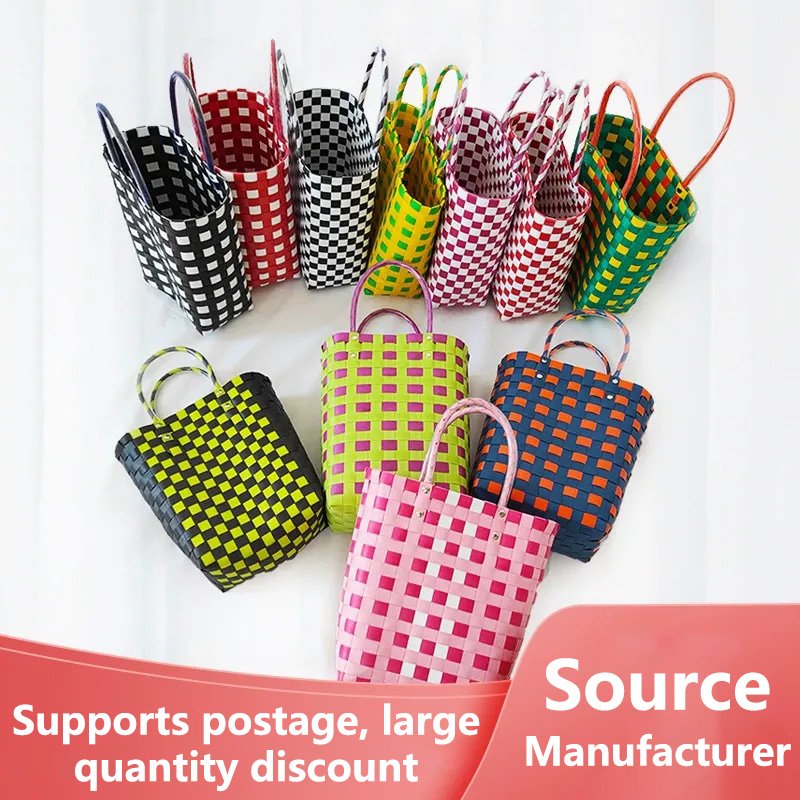
The diverse needs of beachgoers necessitate a varied range of styles and functionalities in wholesale beach bags. Keeping abreast of current trends and understanding the practical benefits of each style is crucial for curating a compelling inventory that offers both style and functionality (STGN).
Oversized Totes
These are perhaps the most ubiquitous beach bags, characterized by their generous capacity. Ideal for families or individuals carrying multiple towels, sunscreen, snacks, and books. Look for designs with wide openings, sturdy handles, and possibly a flat bottom for stability.
Mesh Beach Bags
Excellent for items that need ventilation or to drain sand and water easily, such as wet swimwear, toys, or snorkels. Mesh bags are lightweight, quick-drying, and prevent mildew. Some designs integrate solid panels for privacy or insulation.
Insulated Cooler Bags
A highly functional option that combines a traditional beach bag with cooling capabilities. These bags feature insulated compartments to keep drinks and snacks chilled, making them indispensable for long days under the sun. They often come with leak-proof linings.
Canvas and Jute Bags
Offering a classic, often more aesthetic appeal, canvas and jute bags are durable and versatile. They can double as everyday totes and are popular for their natural texture. Consider heavier-weight canvas for increased resilience.
Backpack-Style Beach Bags
For those who prefer hands-free carrying, backpack designs offer comfort and ease of transport, especially when navigating longer distances to the beach. These often include external pockets for water bottles and adjustable straps.
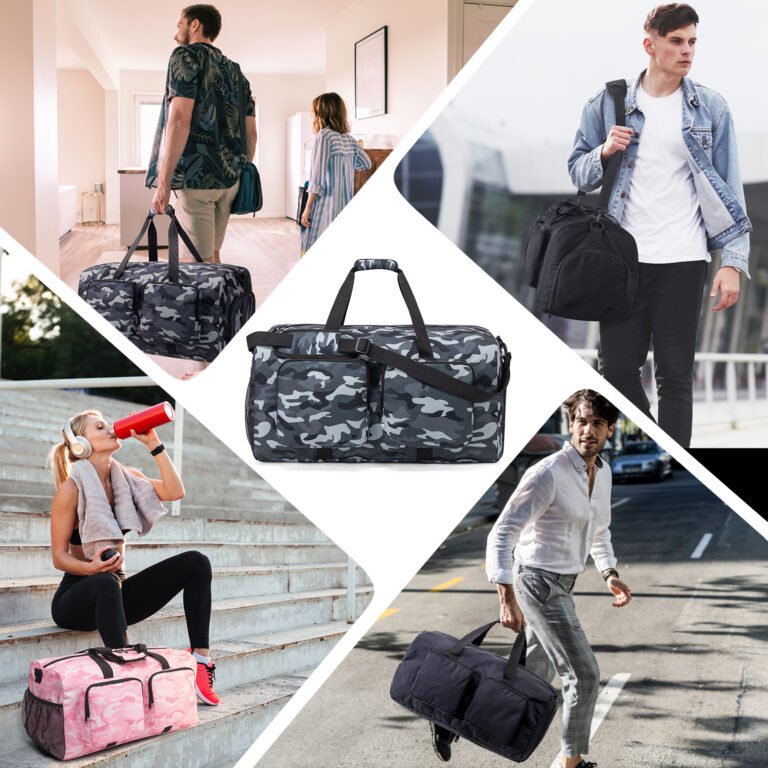
Collapsible and Foldable Designs
These bags are practical for travelers or those with limited storage space. They can be easily packed away when not in use, yet expand to offer ample capacity when needed.
Buyers should consider the specific demographics and usage patterns of their target market to select styles that resonate most effectively. Providing a variety ensures that different customer preferences are met, offering organized and stylish solutions for summer activities (Medium.com/@vernic-popat).
Style Category
Primary Material
Key Functional Benefit
Ideal User Scenario
Oversized Tote
Canvas, Polyester
Maximum Capacity, Easy Access
Families, Long Beach Days
Mesh Bag
PVC Mesh, Nylon
Quick Drying, Sand Drainage
Wet Gear, Kids’ Toys
Insulated Cooler Tote
Polyester with PEVA Lining
Keeps Items Chilled
Picnics, Food & Drink Transport
Canvas/Jute Tote
Durable, Aesthetic Appeal
Fashion-Conscious, Everyday Use
Canvas, Jute
Backpack Style
Nylon, Polyester
Hands-Free Carrying, Ergonomic
Active Individuals, Longer Walks
Sourcing Your Ideal Wholesale Beach Bag Factory: Key Considerations
Identifying and vetting reliable manufacturers or suppliers is a cornerstone of successful wholesale procurement. This process involves evaluating not just product quality, but also factory capabilities, ethical standards, and logistical prowess. When sourcing beach bags, consider their overall size, material, and design adaptability, alongside practical elements like pockets (Tote Bag Factory).
Factory Capabilities and Specialization
Assess whether the factory specializes in beach bags or a broader range of bags, such as a Bookbag Factory. A specialized manufacturer might offer deeper expertise and more innovative designs for beach-specific features. Inquire about their production lines, machinery, and quality control systems. A factory with diverse capabilities, potentially even as a Wholesale Backpack manufacturer, indicates broader experience in bag construction.
Production Capacity and Lead Times
Ensure the factory can meet your desired order volume within acceptable lead times. Request information on their typical production cycles, especially for peak seasons, to avoid delays. Understanding their capacity helps in planning your inventory pipeline effectively.
Quality Control and Consistency
A reputable supplier will have rigorous quality control (QC) procedures at various stages of production, from raw material inspection to final product checks. Ask about their QC protocols, third-party inspection capabilities, and how they handle discrepancies. Consistent quality across large batches is paramount for brand reputation (Maggie Frame Store).
Ethical and Sustainable Practices
Modern consumers increasingly value ethical manufacturing and sustainable products. Inquire about the factory’s labor practices, certifications (e.g., Fair Trade, SA8000), and environmental policies. Many leading suppliers offer options for organic cotton, recycled polyester, or jute tote bags, which can align with a buyer’s corporate social responsibility goals (Maggie Frame Store).
Communication and Responsiveness
Effective communication is vital for managing bulk orders. Evaluate the supplier’s responsiveness, clarity in communication, and ability to address concerns promptly. A strong working relationship with your supplier can mitigate many potential issues.
Unlocking Value Through Customization: Branding Your Bulk Beach Bags
Customization is a powerful tool for enhancing brand identity and creating unique products in the competitive market of beach accessories. By branding your bulk beach bags, you transform them from generic items into effective marketing tools and sought-after merchandise. Wholesale tote bags, in general, are akin to a blank canvas, offering immense potential for personalization (BagzDepot.com).
Logo Placement and Printing Techniques
The most common form of customization is the addition of a company logo. Options include screen printing, heat transfer, embroidery, and digital printing.
Screen Printing: Cost-effective for large quantities and designs with fewer colors.
Heat Transfer: Good for complex designs or full-color graphics on certain materials.
Embroidery: Offers a premium, durable finish, ideal for high-end bags or corporate branding.
Digital Printing: Best for intricate, multi-color designs and smaller batches.
Consider the material of the beach bag and the desired aesthetic when selecting a printing method.
Design Modifications and Material Combinations
Beyond simple logo application, factories can often accommodate design modifications. This can include custom dimensions, unique pocket configurations, specialized closures, or even the integration of different materials to create a distinctive aesthetic. By incorporating a unique combination of materials, colors, and artwork that align with your brand’s identity, you can create a truly custom beach bag (Apliiq Blog).
Personalized Messages and Themes
For promotional events, corporate giveaways, or specific campaigns, adding personalized messages, event dates, or thematic designs can significantly boost engagement and memorability. This allows your bulk beach bags to serve a dual purpose as both a product and a marketing asset.
Private Labeling and Packaging
For a truly branded experience, consider private labeling, where your own brand’s tags and labels are sewn into the bags. Custom packaging, such as branded poly bags or hangtags, further elevates the product’s perceived value and strengthens brand recognition. Leveraging a Bag Custom In Bulk approach can significantly streamline this process, allowing for consistent branding across your entire order.
Navigating Pricing Structures and MOQs for Cost-Effective Bulk Orders
Understanding the pricing structures and Minimum Order Quantities (MOQs) is crucial for securing the most cost-effective deals when purchasing wholesale beach bags. These factors significantly influence the unit price, bulk discounts, and overall profitability of your investment (LinkedIn).
Minimum Order Quantities (MOQs)
MOQs are the lowest quantity of a product a supplier is willing to sell in a single order. They are set to ensure the supplier’s production costs are covered and to maintain profitability.
Impact on Unit Price: Generally, a higher MOQ correlates with a lower per-unit cost, as the supplier benefits from economies of scale in manufacturing, material purchasing, and logistics.
Negotiation Leverage: If your desired quantity is slightly below the MOQ, it may be possible to negotiate, especially if you have a history with the supplier or are placing a significant overall order. However, be prepared for a slightly higher unit price.
Balancing Inventory and Cost: Assess your storage capacity and sales forecasts carefully. While lower per-unit costs are attractive, ordering too much can lead to excess inventory, storage costs, and potential obsolescence.
Pricing Tiers and Volume Discounts
Most wholesale suppliers offer tiered pricing, where the unit price decreases as the order volume increases.
Tiered Structures: Suppliers typically outline specific quantity brackets (e.g., 100-200 units, 201-500 units, 501+ units) each with a corresponding unit price.
Volume-Based Incentives: These discounts are designed to incentivize larger orders. It is essential to thoroughly analyze these tiers to determine the optimal quantity that offers the best balance between unit cost savings and manageable inventory (Growmax.io).
Negotiation: Do not hesitate to negotiate, especially for very large orders or long-term partnerships. Present a clear business case highlighting potential future orders or the strategic value of your brand.
Hidden Costs and Total Cost of Ownership
Beyond the per-unit price, consider other costs:
Shipping and Logistics: Freight costs, customs duties, and import taxes can add significantly to the total cost.
Customization Fees: Setup charges for printing plates or embroidery, design fees, and sample costs.
Payment Terms: Understand payment schedules (e.g., deposit, balance upon shipment) and potential for early payment discounts.
Quality Control and Returns: Account for potential costs associated with inspecting goods or managing returns for defective items.
Quantity Tier (Units)
Estimated Unit Price Range (USD)
Benefit for Buyer
100-250 (Small Batch)
$8.00 – $12.00
Lower upfront investment, market testing
251-1000 (Medium Batch)
$5.00 – $7.99
Moderate savings, good for established products
1001-5000 (Large Batch)
$3.50 – $4.99
Significant cost reduction, economies of scale
5000+ (Very Large Batch)
$2.00 – $3.49
Maximum value, ideal for high-volume demand
Streamlining Your Order: From Production to Global Shipping for Beach Bags in Bulk
A well-managed ordering process is vital for the efficient acquisition of bulk beach bags, minimizing delays and ensuring timely delivery. This encompasses everything from initial design approvals to the final stages of international logistics.
Order Placement and Payment Terms
Once a supplier is selected and a quotation is accepted, a formal purchase order (PO) should be issued, detailing all specifications, quantities, pricing, and agreed-upon terms. Standard payment terms often involve an upfront deposit (e.g., 30-50%) to initiate production, with the balance due upon completion or prior to shipment. Clarify payment methods and any associated transaction fees.
Pre-Production Sampling
Before mass production, request a pre-production sample. This allows for a thorough review of materials, colors, stitching, dimensions, and customization accuracy. This critical step ensures that the final product aligns with your expectations and allows for any necessary adjustments before large-scale manufacturing begins.
Quality Control and Inspection
Implement robust quality control measures throughout the production cycle. This can include:
Mid-production inspection: To identify and rectify issues early.
Final inspection (Pre-shipment inspection – PSI): A comprehensive check of the finished goods before packing, verifying quantity, quality, and adherence to specifications. This can be conducted by the factory’s internal QC team or by an independent third-party inspector.
Packaging and Labeling
Specify packaging requirements, including individual poly bags, inner cartons, and master cartons. Ensure proper labeling with product codes, quantities, and origin information to facilitate smooth customs clearance and inventory management upon arrival.
International Shipping and Logistics
For global bulk orders, understanding shipping logistics is paramount.
Incoterms: Clearly define Incoterms (e.g., FOB, CIF, EXW) to clarify responsibilities and costs for shipping, insurance, and customs between buyer and seller.
Shipping Methods: Choose between air freight (faster, more expensive) and sea freight (slower, more economical) based on urgency and budget.
Customs Clearance: Ensure all necessary documentation (commercial invoice, packing list, bill of lading/airway bill, certificate of origin) is accurate to avoid customs delays.
Freight Forwarders: Consider using a reliable freight forwarder to manage the complexities of international shipping, including booking vessels, customs, and last-mile delivery.
Many suppliers offer one-stop solutions, from design to global shipping, with flexible services tailored to a brand’s needs (Domybeach.com, Bene Bags). Their streamlined manufacturing processes and global networks facilitate efficient delivery regardless of location.
Common Pitfalls to Avoid When Buying Wholesale Beach Bags
Navigating the wholesale procurement process can present several challenges. Being aware of common pitfalls allows buyers to implement preventative measures and ensure a smoother, more successful transaction for their bulk wholesale beach bags orders.
Failing to Approve a Pre-Production Sample
One of the most frequent and costly mistakes is placing a bulk order without first approving a physical pre-production sample (Universe Packing). Relying solely on digital images or previous orders can lead to significant discrepancies in material quality, color, construction, or customization. Always insist on reviewing and approving a physical sample.
Neglecting Detailed Specifications
Ambiguity in product specifications can result in miscommunication and dissatisfaction. Provide clear, comprehensive details for every aspect of the beach bag: dimensions, materials (with exact GSM/denier), color codes (Pantone), hardware types, stitching requirements, printing specifications, and packaging instructions. “Assume nothing” should be the guiding principle.
Underestimating Lead Times and Logistics
Miscalculating production and shipping timelines can lead to stock shortages, missed sales opportunities, or rushed, more expensive shipping options. Always build in buffer time, especially for international orders which can be subject to unforeseen delays in production, customs, or transit.
Overlooking Quality Control Measures
Skipping independent quality inspections can result in receiving a large batch of defective products. While a supplier may have internal QC, third-party inspections provide an unbiased assessment and an extra layer of assurance, especially for substantial orders.
Ignoring Payment Terms and Currency Fluctuations
Failing to clearly understand payment terms, deposit requirements, and potential for currency exchange rate fluctuations can lead to unexpected costs. Negotiate favorable payment terms and consider hedging against currency risks for large international transactions.
Selecting a Supplier Based Solely on Price
While cost-effectiveness is important, prioritizing the lowest price above all else can compromise quality, reliability, and ethical standards. A slightly higher price from a reputable supplier often translates to better quality products, more reliable service, and fewer issues in the long run.
Insufficient Market Research
Failing to conduct thorough market research on current trends, consumer preferences, and competitor offerings can lead to ordering bags that are out of style or do not meet demand. Furthermore, understanding the end-user’s actual needs, such as ensuring a bag’s practical utility without encouraging overpacking, can inform design and prevent user dissatisfaction (Bondi Joe).
Conclusion
Successfully navigating the acquisition of wholesale beach bags is a strategic endeavor demanding meticulous attention to detail at every stage. From the initial assessment of quality markers and the selection of trend-aligned styles to the critical process of vetting manufacturers, embracing customization, and mastering pricing and logistics, each step is integral to securing both quality and value. By proactively addressing potential pitfalls and committing to informed decision-making, businesses can build a robust inventory that resonates with consumer demand, bolsters brand identity, and ensures a profitable venture in the vibrant market for summer accessories. The foundation of success lies in a comprehensive understanding of the entire supply chain, coupled with a relentless pursuit of excellence and efficiency.
![[BagsProducer]Buying Wholesale Beach Bags? Essential Tips for Quality & Value in Bulk](https://www.bagsproducer.com/wp-content/uploads/2025/11/image.jpg)






![[BagsProducer]Wholesale Beach Bags: How to Find the Best Bulk Supplier for Your Business](https://www.bagsproducer.com/wp-content/uploads/2025/10/image-9-768x768.jpg)