Customer Service
info@bagsproducer.com
Work Hours
Monday to Friday: 9AM - 6PM
Company Address
No.188, Taixin Street, Quanzhou, Fujian Province, China
Customer Service
info@bagsproducer.com
Work Hours
Monday to Friday: 9AM - 6PM
Company Address
No.188, Taixin Street, Quanzhou, Fujian Province, China
![[BagsProducer]Custom Backpack Manufacturers: Your Essential Guide to Design, Sourcing & Production](https://www.bagsproducer.com/wp-content/uploads/2025/09/image-2.jpg)
The global market for backpacks is continuously evolving, driven by consumer demand for both functionality and unique identity. This comprehensive guide provides an in-depth exploration of the custom backpack manufacturing process, designed for individuals and businesses seeking to understand the intricate journey from initial concept to final product. It covers essential stages including design principles, strategic manufacturer selection, the nuances of production, stringent quality control measures, and efficient supply chain management. The aim is to equip stakeholders with the knowledge necessary to navigate the complexities of custom manufacturing, fostering informed decisions and successful partnerships within the industry.
In an increasingly commoditized market, the ability to offer a product that resonates deeply with its intended user or brand identity is invaluable. Custom backpacks represent a powerful tool for differentiation, extending beyond mere utility to become a statement of personal or corporate identity. The inherent value of custom backpacks lies in their capacity for personalization, allowing for features like custom patches, embroidery, or specific color choices, which significantly enhance the emotional connection a user has with the item (Zheng Backpack).
For businesses, custom backpacks serve as highly effective marketing instruments. They offer a tangible, mobile advertisement that can consistently promote a brand message or logo to a wide audience. Beyond branding, customization allows for the integration of advantageous features, such as specialized pockets or compartments, tailored to specific needs, thereby increasing the product’s functionality and appeal (Everlighten). This bespoke approach ensures that the backpack not only meets the aesthetic desires but also fulfills the precise functional requirements of the target market, setting it apart from generic alternatives. Whether for corporate giveaways, retail collections, or specialized organizational use, investing in custom backpacks provides a unique blend of practical utility and distinct market presence.
The journey of creating a custom backpack begins with a clear vision, evolving from abstract ideas into a tangible product through a structured design process. This phase is critical, as it lays the foundation for all subsequent manufacturing steps.
1. Initial Conceptualization and Sketching:
Begin by translating ideas into visual form. Sketching the design on paper allows for the exploration of various shapes, sizes, and aesthetic elements. This initial visualization helps in understanding the overall proportions and general appearance of the backpack. Moving from a paper sketch to a physical mock-up, such as assembling a cardboard box, can provide a more realistic sense of the bag’s dimensions and how its components might fit together (Reddit).
2. Material Selection:
Choosing the right materials is paramount, influencing the backpack’s durability, weight, water resistance, and overall feel. Common choices include polyester, nylon, and canvas, each offering different properties suited for various applications. For instance, polyester is known for its durability and resistance to shrinking, making it a premium choice for functional backpacks (Kingsons).
3. Feature Integration:
Consider the functional elements that will define the backpack’s utility. This includes:
* Compartments and Pockets: Determine the number, size, and placement of internal and external pockets for organization.
* Closure Mechanisms: Zippers, buckles, drawstrings, or magnetic snaps, each offering different levels of security and accessibility.
* Straps and Handles: Ergonomic shoulder straps, adjustable sternum straps, hip belts, and sturdy top handles contribute to comfort and carrying efficiency.
* Specialized Features: Laptop sleeves, hydration pack compatibility, external attachment points, or USB charging ports can enhance specific use cases.
4. Ergonomic Considerations:
A well-designed backpack should distribute weight effectively and be comfortable to wear, even when fully loaded. This involves:
* Padding: Strategic placement of padding on the back panel and shoulder straps.
* Ventilation: Designing airflow channels to reduce heat build-up.
* Adjustability: Ensuring straps and other components can be adjusted to fit various body types.
5. Aesthetic Choices and Branding:
This stage focuses on the visual identity. Options include selecting specific colors, patterns, and methods for incorporating branding, such as embroidery, screen printing, or custom patches. Many platforms offer extensive customization options and styles, enabling unique personalized backpacks (Zazzle).
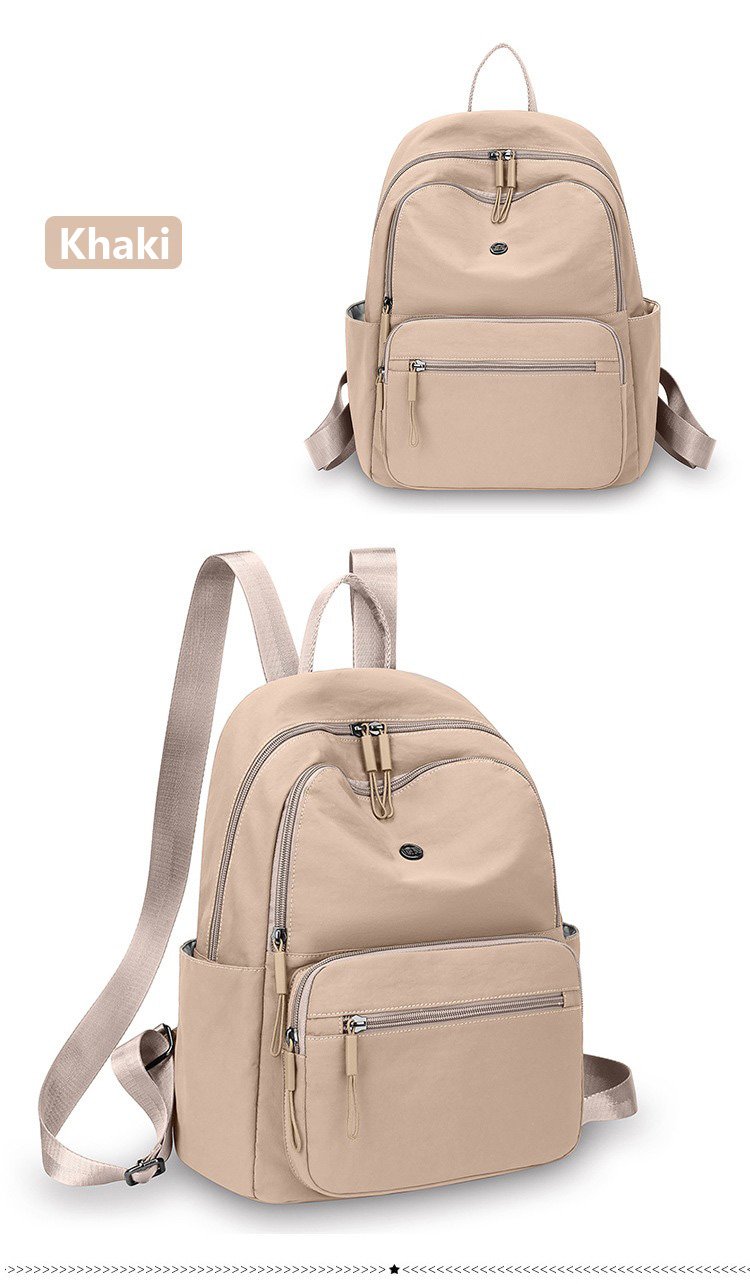
Selecting the appropriate manufacturing partner is a pivotal decision that directly impacts the quality, cost, and timely delivery of your custom backpacks. Careful evaluation is essential to ensure alignment with your brand’s vision and operational needs.
1. Understand Your Brand’s Needs:
Before approaching potential Custom Backpack Manufacturers, clearly define your project requirements. This includes target aesthetics, specific features, desired quality standards, and budget constraints (Omaska). A clear understanding of your brand’s unique needs will help narrow down suitable partners.
2. Experience and Reputation:
Look for manufacturers with a proven track record in producing backpacks, especially those similar to your intended design. Experience often translates to efficiency, problem-solving capabilities, and consistent quality. A strong reputation, evidenced by client testimonials, case studies, or industry recognition, indicates reliability and trustworthiness.
3. Quality and Durability Standards:
The longevity and functionality of your custom backpacks depend heavily on the manufacturer’s commitment to quality. Inquire about their material sourcing practices; reputable suppliers use premium materials such as high-grade Polyester, ensuring well-constructed and durable products (Kingsons). Discuss their internal quality control processes and standards.
4. Production Capacity and Scalability:
Ensure the manufacturer has the capacity to handle your projected order volume, especially for Wholesale Backpack production. It’s important to confirm they can scale production up or down as your needs evolve, without compromising lead times or quality. This is particularly crucial if you plan for ongoing Bag Custom In Bulk orders.
5. Customization Options:
Assess the manufacturer’s flexibility in customization. Can they accommodate your specific design requirements for materials, features, branding, and hardware? A versatile manufacturer can offer a broader range of options, from unique fabric blends to specialized compartments and intricate logo applications.
6. Communication and Transparency:
Effective communication is vital for a successful partnership. Choose a manufacturer who is responsive, transparent, and provides regular updates throughout the production process (Isundei). Clear communication channels help prevent misunderstandings and ensure project milestones are met.
7. Ethical Practices and Compliance:
Investigate their commitment to ethical labor practices and environmental standards. Many brands prioritize manufacturers who adhere to international social and environmental compliance certifications, ensuring responsible production.
8. Lead Time and Delivery Efficiency:
Discuss typical lead times for sampling and bulk production. Evaluate their logistical capabilities and delivery efficiency to ensure your orders arrive on schedule. This is a critical factor for managing inventory and market launches.
By meticulously evaluating these criteria, you can establish a robust partnership with Custom Backpack Manufacturers that will support your project’s success.
The transformation of a design concept into thousands of tangible custom backpacks involves a meticulously orchestrated production journey. This multi-stage process ensures that each unit meets the desired specifications and quality standards.
1. Prototyping and Initial Sample Creation:
After design finalization, the manufacturer creates an initial prototype. This first physical iteration allows for a preliminary assessment of the design, materials, and functionality. It’s an opportunity to identify any fundamental flaws or areas for improvement before significant resources are committed.
2. The Sampling Process:
Following the prototype, a series of samples are produced. The core purpose of the sampling process is to perfect the original idea by obtaining and refining samples from the factory that will ultimately produce the final products (Create a Fashion Brand). This stage often involves:
* Material Samples: Confirming the correct fabrics, zippers, buckles, and other components.
* Pre-Production Sample (PPS): A fully finished sample that mirrors the final product in every detail, including branding and packaging. This sample undergoes rigorous approval by the client. Any adjustments or refinements are made until the PPS meets all requirements.
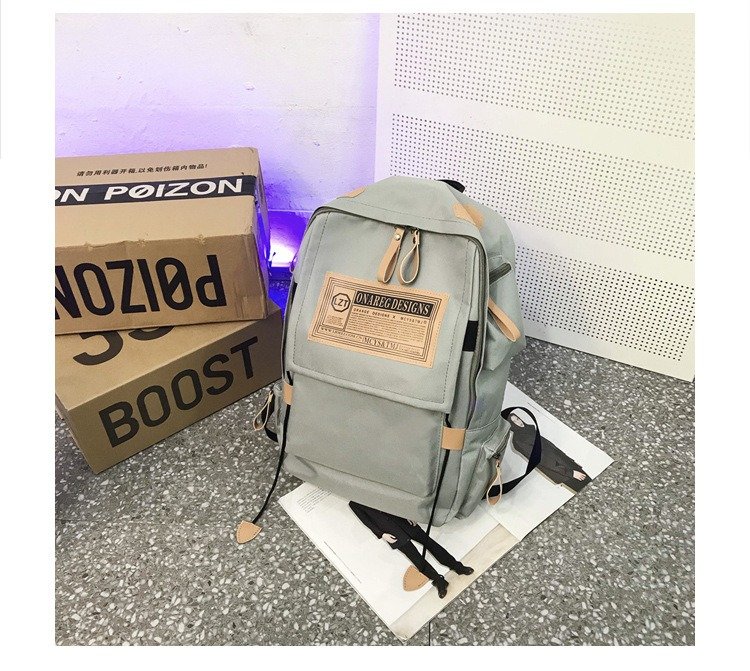
3. Material Sourcing and Preparation:
Once the PPS is approved, the factory procures all necessary raw materials in bulk. These materials undergo an initial quality check to ensure they match the approved specifications. Fabrics are then laid out and precisely cut according to patterns developed from the approved sample.
4. Assembly and Manufacturing:
This is where the individual components come together. Bulk production involves manufacturing many identical products using efficient assembly-line methods and often automated machinery (Printful). The process typically includes:
* Sewing: Skilled operators meticulously sew the cut fabric pieces together, forming the main body, pockets, and other structural elements.
* Hardware Attachment: Zippers, buckles, D-rings, and other metal or plastic components are securely attached.
* Branding Application: Logos and branding elements are applied through embroidery, screen printing, heat transfer, or custom labels, as specified in the design.
* Finishing: This includes trimming loose threads, cleaning the products, and conducting final checks for any visible defects.
5. Mid-Production Quality Checks:
Throughout the assembly line, quality control inspectors conduct regular checks to ensure consistency and adherence to standards. This proactive approach helps identify and rectify issues early, preventing large-scale defects.
The efficient execution of this production journey relies heavily on the expertise and organizational capabilities of the chosen Bookbag Factory, ensuring that the final bulk order accurately reflects the initial design vision.
Maintaining high standards of quality and ensuring compliance with industry regulations are non-negotiable aspects of custom backpack manufacturing, especially for wholesale distribution. A rigorous quality control (QC) system is crucial for delivering durable, functional, and safe products to the market.
1. Raw Material and Supplier Selection:
The foundation of quality begins with the selection of raw materials and reliable suppliers. Custom Backpack Manufacturers implement strict raw material and supplier auditing mechanisms to ensure that all incoming components—fabrics, zippers, buckles, threads—meet predetermined quality specifications (Songhome Bag). This pre-emptive step prevents substandard materials from entering the production line.
2. In-Process Quality Control (IPQC):
Quality checks are integrated throughout the entire production process, not just at the final stage. This includes:
* Cutting Stage: Verifying that fabric pieces are cut accurately to size and shape.
* Sewing Stage: Inspecting stitch quality, seam integrity, and alignment of components.
* Assembly Stage: Checking the proper attachment of hardware, straps, and pockets.
* Branding Application: Ensuring logos are correctly positioned, sized, and applied without defects.
Standardized production process management is key to maintaining consistency across all units.
3. Final Quality Assurance (FQA):
Before packaging, each backpack undergoes a comprehensive final inspection. This includes checking for:
* Overall Aesthetics: Absence of stains, loose threads, or material imperfections.
* Functional Integrity: Zippers, buckles, and straps operate smoothly and securely.
* Structural Durability: Seams are strong, and stress points are reinforced.
* Measurement Accuracy: Ensuring dimensions match specifications.
Professional and efficient quality inspection teams are critical at this stage (Songhome Bag).
4. Rigorous Quality Testing Protocols:
Beyond visual and functional checks, physical and chemical tests are vital for ensuring the structural integrity, long-term durability, and safety of bags (Feesly Bag). These tests may include:
* Tensile Strength Testing: Measuring the resistance of materials to breaking under tension.
* Zipper Durability Test: Cycling zippers thousands of times to ensure longevity.
* Weight Load Test: Simulating heavy loads to assess strap and handle strength.
* Water Repellency Test: Checking the fabric’s ability to resist water penetration.
* Colorfastness Test: Ensuring colors do not bleed or fade.
5. Compliance with International Standards and Certifications:
For Wholesale Backpack products destined for various global markets, adherence to international standards and certifications is crucial. This includes:
* REACH (Registration, Evaluation, Authorization, and Restriction of Chemicals): European Union regulation for chemical safety.
* Proposition 65 (Prop 65): California’s safe drinking water and toxic enforcement act, requiring warnings for products containing certain chemicals.
* CPSIA (Consumer Product Safety Improvement Act): US law primarily for children’s products, regulating lead and phthalates.
* ISO Certifications: Such as ISO 9001 for quality management systems, indicating a commitment to continuous improvement.
By implementing these stringent quality control and compliance measures, Custom Backpack Manufacturers ensure that their products not only meet client expectations but also adhere to global safety and performance benchmarks.
Efficient shipping and logistics are critical components of the custom backpack manufacturing process, particularly when dealing with large-scale Wholesale Backpack orders. A well-managed supply chain ensures timely delivery, reduces costs, and minimizes potential disruptions.
1. Choosing the Right Shipping Method:
The selection of a shipping method depends on several factors, including urgency, volume, and budget.
* Sea Freight: Most cost-effective for large, non-urgent orders. It has a longer transit time but significantly lower per-unit cost.
* Air Freight: Faster for urgent or smaller high-value shipments, but considerably more expensive.
* Land Transport: Used for domestic shipments or for connecting sea/airports to final destinations.
2. Customs Procedures and Documentation:
Navigating international customs requires meticulous attention to detail. Key documentation includes:
* Commercial Invoice: Details the goods, seller, buyer, and terms of sale.
* Packing List: Itemizes the contents of each package, including dimensions and weight.
* Bill of Lading (for sea freight) or Air Waybill (for air freight): A contract between the shipper and carrier.
* Certificates of Origin: Confirms the country where the goods were manufactured.
* Compliance Certificates: Proof of adherence to safety and quality standards (e.g., REACH, Prop 65).
Custom Backpack Manufacturers with experience in international trade can assist with these complexities, ensuring smooth customs clearance.
3. Packaging Solutions for Protection:
Proper packaging is essential to protect wholesale backpacks during transit.
* Individual Packaging: Each backpack may be placed in a polybag to prevent dust and moisture.
* Inner Cartons: Multiple individually packed backpacks are often grouped into smaller cartons for better organization and protection.
* Outer Cartons: Durable corrugated cardboard boxes are used for the main shipment, reinforced if necessary.
* Palletization: For very large orders, cartons are stacked on pallets, wrapped, and strapped for stability and ease of handling.
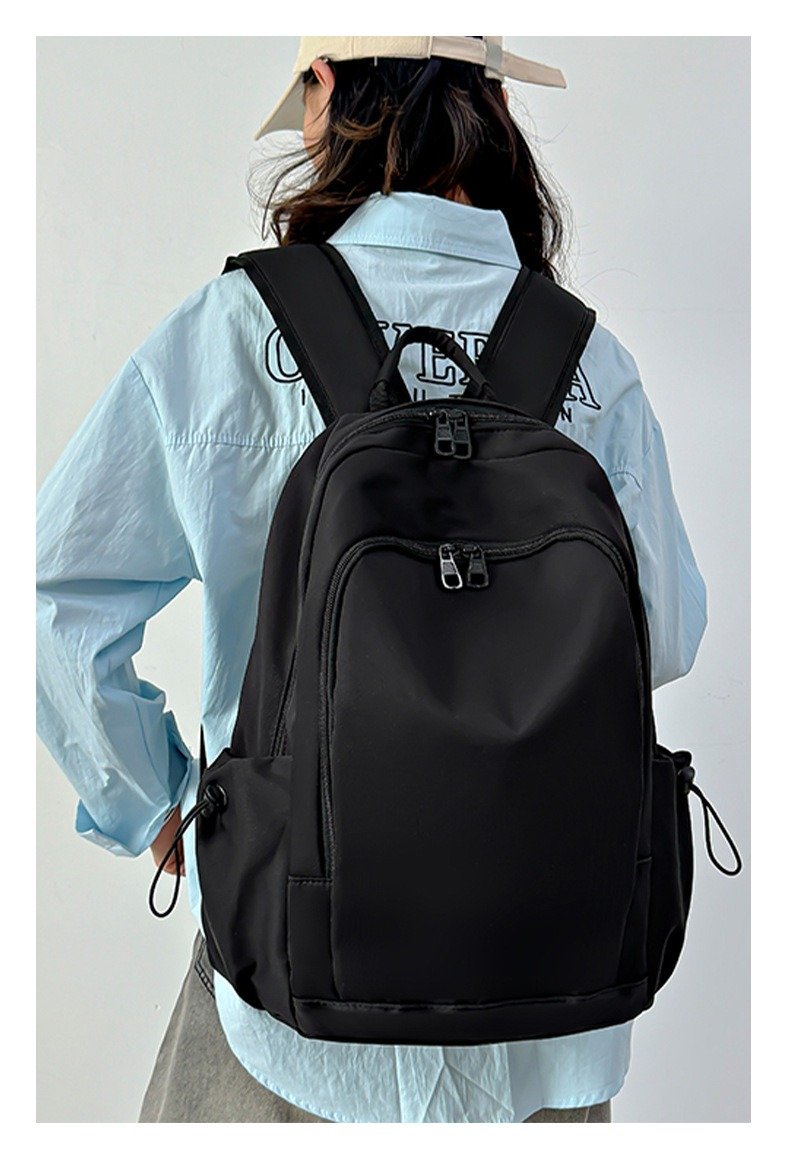
4. Inventory Management and Tracking:
Streamlining inventory with accurate tracking and real-time updates is crucial for efficient supply chain management (Buske). Implementing systems that provide visibility into the order status, from factory departure to final delivery, allows businesses to manage expectations and plan for receipt.
5. Leveraging Third-Party Logistics (3PL) Providers:
For businesses lacking extensive in-house logistics capabilities, partnering with a 3PL provider can be highly beneficial. 3PLs specialize in warehousing, fulfillment, and transportation, helping to consolidate operations, reduce operational costs, and streamline the supply chain significantly (Speed Commerce). They can handle tasks such as customs brokerage, freight forwarding, and even last-mile delivery.
By strategically managing these elements, businesses can ensure that their Bag Custom In Bulk orders arrive efficiently, safely, and on schedule, supporting seamless distribution and sales.
Establishing a strong, long-term relationship with a reliable custom backpack manufacturer offers substantial strategic advantages that extend far beyond a single transaction. This partnership is a cornerstone for sustained business growth and market competitiveness.
1. Consistent Product Quality:
A trusted manufacturer understands your brand’s quality standards and consistently adheres to them. This ensures that every Wholesale Backpack order meets the same high benchmarks, reinforcing your brand’s reputation for excellence and fostering customer loyalty.
2. Cost-Efficiency and Economies of Scale:
Long-term partnerships often lead to better pricing structures due to increased order volumes and mutual trust. Manufacturers are more inclined to offer competitive rates, special terms, or value-added services to loyal clients. Furthermore, a deep understanding of your product line allows them to optimize production processes, leading to cost savings over time.
3. Scalability and Flexibility:
As your business grows, a reliable manufacturer can readily scale production to match increased demand. They can also offer flexibility in adjusting order sizes or adapting to new product variations, providing the agility needed to respond to market shifts without significant lead time or operational hurdles.
4. Market Responsiveness and Innovation:
An experienced manufacturer stays abreast of industry trends, material innovations, and production techniques. They can offer valuable insights and suggestions for product improvements or new designs, helping your brand remain competitive and responsive to evolving consumer preferences. This collaborative approach promotes continuous innovation.
5. Effective Communication and Collaboration:
Effective communication and collaboration are vital for a successful partnership (Isundei). A strong relationship fosters open dialogue, proactive problem-solving, and shared goals. This reduces misunderstandings, speeds up decision-making, and ensures that projects run smoothly from design to delivery.
6. Brand Promotion and Morale Boosting:
By investing in customized backpacks, businesses are not only promoting their brand but also creating lasting connections and boosting morale, whether for employees, clients, or a specific community (Baglelo). A manufacturer who truly understands and supports your brand’s values can help translate this into the final product.
Ultimately, a reliable Custom Backpack Manufacturers is more than just a supplier; they are a strategic partner who contributes significantly to your product development, market presence, and overall business success.
Navigating the custom backpack manufacturing process often brings forth a set of common questions from businesses and individuals. Understanding these aspects early can facilitate a smoother, more efficient collaboration with Custom Backpack Manufacturers.
Q1: What is the typical Minimum Order Quantity (MOQ)?
A1: MOQs vary significantly between manufacturers and depend on factors such as the complexity of the design, the type of materials used, and the manufacturer’s production scale. Generally, MOQs can range from a few hundred units for highly customized or niche designs to several thousand for standard wholesale items. It’s essential to discuss MOQs early in the consultation phase.
Q2: How are pricing structures determined for custom backpacks?
A2: Pricing is influenced by several factors:
* Material Costs: Type, quality, and quantity of fabrics, zippers, buckles, etc.
* Labor Costs: Complexity of design, number of production steps, and regional labor rates.
* Customization Level: Intricacy of branding, special features, and unique structural elements.
* Order Volume: Larger orders typically benefit from lower per-unit costs due to economies of scale.
* Tooling/Moulding Costs: For unique hardware or components, these may be one-time setup fees.
Manufacturers usually provide a detailed quotation after reviewing your design and specifications.
Q3: What are standard lead times for custom backpack orders?
A3: Lead times encompass design finalization, sampling, material sourcing, production, and shipping. They can range from 8-12 weeks for simpler designs and established partnerships to 16-20 weeks or more for complex projects, especially those requiring new tooling or exotic materials. It’s crucial to factor in potential delays and plan well in advance.
Q4: Are there limitations to customization?
A4: While customization offers extensive possibilities, there can be practical limitations:
* Material Availability: Some specialized materials may have high MOQs or long lead times.
* Technical Feasibility: Extremely intricate designs or novel features might require specialized machinery or techniques that not all manufacturers possess.
* Cost-Effectiveness: Certain design elements might be prohibitively expensive for your target price point.
Open communication with your chosen Bookbag Factory is vital to understand what is feasible within your budget and timeline.
Q5: How is intellectual property (IP) protected?
A5: Reputable Custom Backpack Manufacturers understand the importance of IP protection. This is typically managed through:
* Non-Disclosure Agreements (NDAs): A legal contract that ensures your design concepts and sensitive information are kept confidential.
* Manufacturing Agreements: Detailed contracts outlining ownership of designs, production rights, and restrictions on unauthorized reproduction.
Always ensure these agreements are in place before sharing detailed design specifications.
Q6: What payment terms can I expect?
A6: Standard payment terms often involve an upfront deposit (e.g., 30-50%) to commence production, with the remaining balance due upon completion or before shipment. For long-term partners, more flexible terms might be negotiated.
The journey from a conceptual idea to a market-ready custom backpack is a sophisticated process requiring meticulous planning, strategic decision-making, and robust partnerships. This guide has illuminated the critical stages involved, from harnessing the power of personalization and intricate design considerations to the operational rigor of manufacturing, quality assurance, and streamlined logistics. The overarching insight is that success in custom backpack production hinges not merely on creating a product, but on fostering an informed and collaborative ecosystem. Choosing the right Custom Backpack Manufacturers is a strategic investment in a comprehensive partnership, one that ensures not only product excellence but also market agility and sustained brand growth.





![[BagsProducer]Wholesale Designer-Look Backpacks: Get Custom Style Without the Luxury Price Tag](https://www.bagsproducer.com/wp-content/uploads/2025/09/image-5-768x1152.jpg)