Customer Service
info@bagsproducer.com
Work Hours
Monday to Friday: 9AM - 6PM
Company Address
No.188, Taixin Street, Quanzhou, Fujian Province, China
Customer Service
info@bagsproducer.com
Work Hours
Monday to Friday: 9AM - 6PM
Company Address
No.188, Taixin Street, Quanzhou, Fujian Province, China
![[BagsProducer]How To Buy Custom Handbag In Bulk From China](https://www.bagsproducer.com/wp-content/uploads/2025/08/image-3.jpg)
This article serves as a comprehensive guide for businesses seeking to procure custom handbags in bulk from China. It meticulously outlines the strategic advantages of Chinese manufacturing, from cost-effectiveness and vast production capabilities to a mature supply chain. The guide progresses through critical stages, including defining precise product requirements, identifying and rigorously vetting reputable manufacturers, navigating the intricate processes of design, sampling, and production, and understanding crucial aspects of minimum order quantities, pricing, and payment structures. Furthermore, it provides actionable insights into ensuring quality control and streamlining logistics for international orders. The article concludes with essential advice on fostering long-term relationships with Chinese suppliers for sustained importing success.
The global marketplace increasingly recognizes China as a pivotal manufacturing hub, especially for specialized products like handbags. For businesses, the prospect of sourcing custom handbags in bulk from China presents a compelling array of advantages. This strategic choice is driven by the potential for significant cost efficiencies without compromising product integrity or aesthetic appeal. Chinese factories are renowned for their extensive manufacturing capabilities and competitive pricing, which allows businesses to achieve considerable cost savings. For instance, by leveraging large-scale production, companies can often obtain products at prices significantly lower than those available in many Western markets (Uncle Nine Leather).
Beyond cost, the expertise and innovative production techniques offered by professional bag manufacturers in China provide unmatched benefits. Many Chinese manufacturers have developed sophisticated production lines and a skilled workforce capable of delivering superior craftsmanship across various materials and design complexities (Hermin Fashion). This combination of economic viability and quality production has cemented China’s position as a preferred destination for businesses looking to expand their product lines or enhance their brand identity through bespoke accessories.
Before initiating any engagement with potential suppliers, a meticulous definition of your custom handbag requirements is paramount. This initial phase dictates the success of the entire procurement process, ensuring that the final product aligns perfectly with your brand vision and market demand. A bespoke handbag is meticulously crafted to the customer’s exact specifications, meaning every detail must be pre-determined (Del Giudice Roma).
Key specifications to consider include:
Defining these customization needs clearly is the first step in finding manufacturers with the appropriate capabilities and ensuring effective communication (JD Handbag Factory). This detailed brief will serve as the foundation for all subsequent discussions and negotiations with potential suppliers.
The decision to source handbags in bulk from China is underpinned by several strategic advantages that significantly benefit businesses. China’s manufacturing sector offers a unique combination of scale, expertise, and efficiency that is difficult to replicate elsewhere.
One primary advantage is cost-effectiveness. Chinese manufacturers often provide highly competitive pricing due to lower labor costs, economies of scale, and efficient supply chains for raw materials. The production cost ratio for bags and luggage in China typically sees approximately 50% allocated to raw materials and 50% to labor, contributing to competitive pricing (CPG Sourcing). This cost efficiency allows businesses to achieve higher profit margins or offer more competitive retail prices.
Secondly, China boasts unparalleled production capacity and supply chain maturity. The country has a highly developed infrastructure for manufacturing, particularly in regions like Guangdong, which accounts for approximately one-third of China’s bag and luggage production output (CPG Sourcing). This extensive capacity means manufacturers can handle large bulk orders efficiently, ensuring timely delivery even for complex projects. The robust supply chain ensures consistent access to a wide variety of materials and components, reducing lead times and ensuring production continuity.
Furthermore, Chinese manufacturers have developed considerable experience and knowledge in meeting rigorous quality standards. It is noteworthy that even many luxury brands, including Prada, Burberry, Armani, Dolce & Gabbana, and Miu Miu, source some or all of their products from China. These brands implement strict quality control measures, demonstrating that Chinese factories are capable of producing items that meet high global standards (CPG Sourcing). This capability extends to offering diverse and often cheaper options compared to wholesale markets, making them attractive for various business models (JingSourcing). The ability to produce high-quality, custom products at scale and competitive prices makes China an indispensable sourcing destination for bulk handbag orders.
Identifying reliable manufacturers is a critical step in the bulk procurement process. Strategic sourcing involves leveraging multiple channels to find partners that align with your business objectives for quality, capacity, and ethical practices.
Several proven methods can be employed:
When engaging with potential suppliers, it is beneficial to use solutions that streamline international transactions. Services like Wise Business can simplify cross-border payments, reduce currency conversion costs, and enhance overall financial efficiency when sourcing from China (Wise Business). Employing a multi-faceted approach to sourcing increases the likelihood of discovering a partner that is not only capable but also reliable and aligned with your long-term business goals.
In the initial stages of supplier vetting, a professional and comprehensive corporate website serves as a foundational indicator of a manufacturer’s legitimacy and operational maturity. Beyond basic contact information, a supplier’s official website offers crucial insights into their credibility and reliability.
When evaluating a potential supplier’s website, businesses should meticulously examine the following elements:
A professional website that adheres to these criteria signals that the supplier is transparent, takes their business seriously, and invests in its public image. Conversely, a poorly designed or lacking website can be a significant deterrent, raising questions about the supplier’s overall professionalism and reliability (GEP, CW Services). It’s a critical component of assessing a potential partner’s operational integrity and alignment with your company’s values in quality and operations.
Supplier vetting extends far beyond an initial website review, requiring a thorough investigation to ensure a potential partner meets all necessary criteria and minimizes risks. This deeper dive involves a series of critical steps designed to assess their qualifications, production capabilities, and overall reliability (Veridion).
Key steps in this comprehensive vetting process include:
By combining these vetting practices, businesses can gain a more comprehensive understanding of a supplier’s true value and minimize potential risks in the sourcing process (Veridion, Zycus). This diligent approach helps in identifying top-performing suppliers capable of consistently meeting your company’s demand and quality expectations.
The journey from a concept to a tangible bulk order of custom handbags involves a structured multi-stage process of design, sampling, and mass production. Understanding each phase is crucial for effective project management and successful delivery.
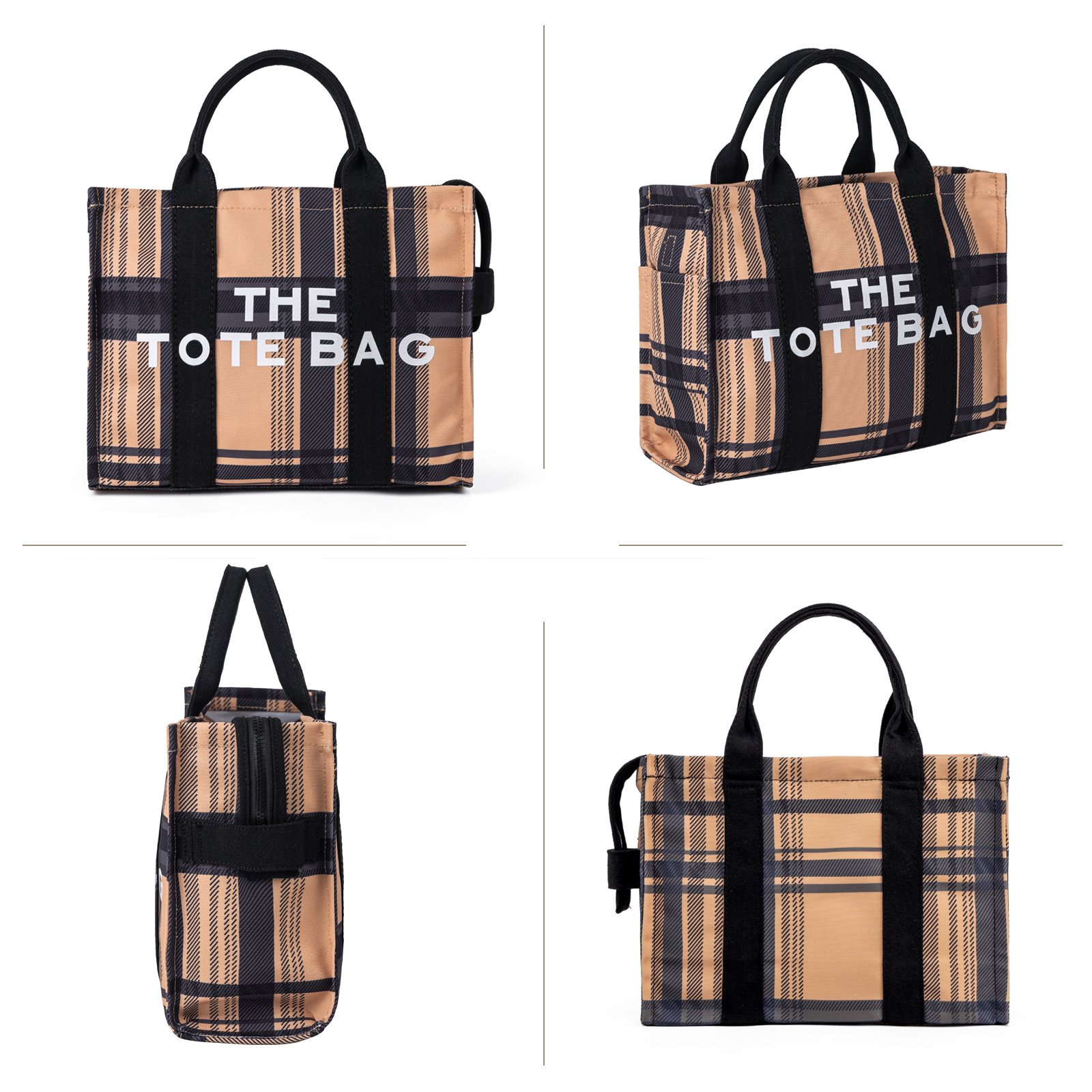
The key stages are as follows:
Each sampling stage is an opportunity for refinement and quality assurance. A clear understanding of this sequence and meticulous review at each step are paramount to successful customization and production.
Successfully purchasing custom handbags in bulk requires a solid understanding of Minimum Order Quantities (MOQs), effective pricing negotiation, and familiarity with standard payment structures. These elements directly impact your cost-effectiveness and cash flow.
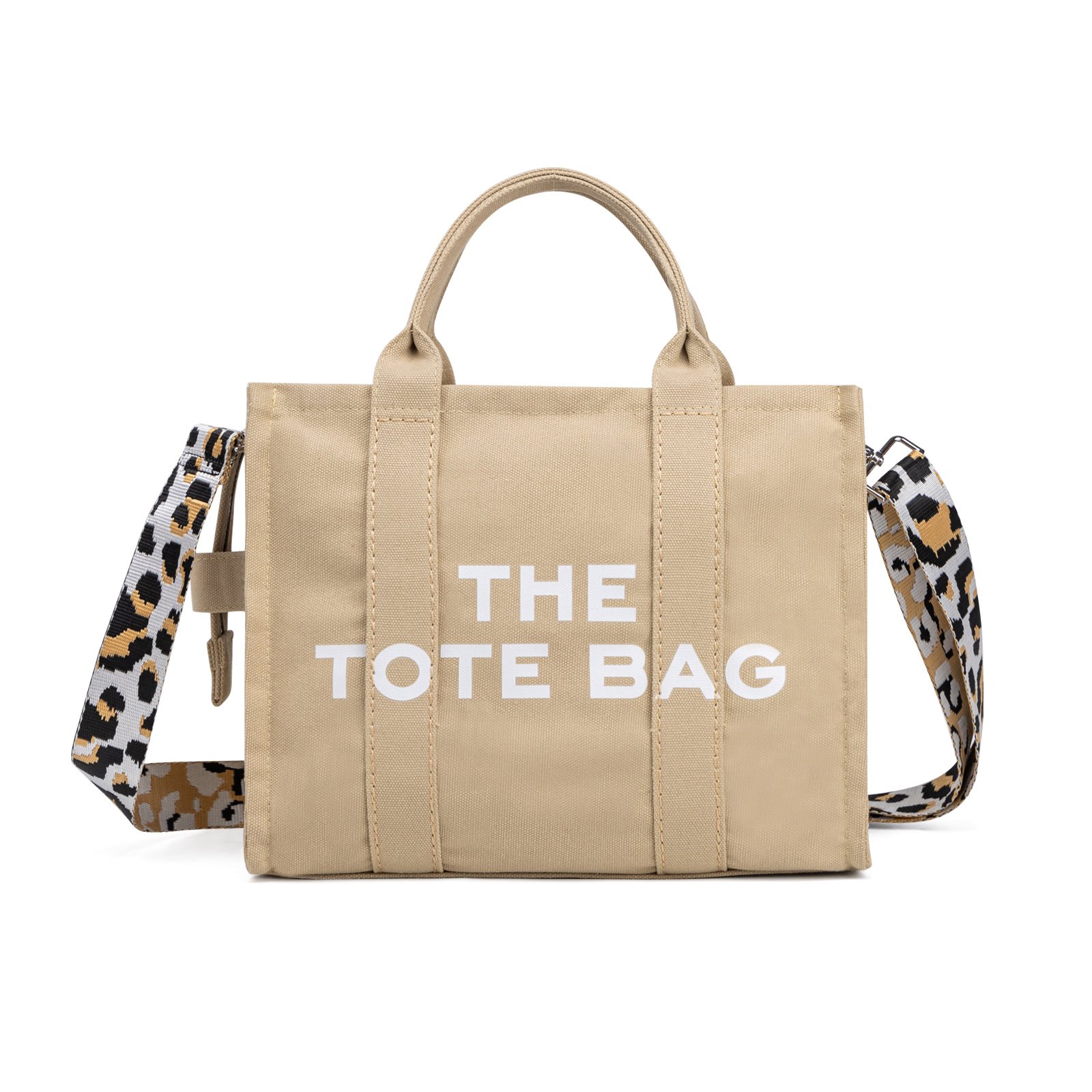
MOQs represent the smallest quantity of a product a manufacturer is willing to produce or sell in a single order. Manufacturers set MOQs to ensure their production costs (e.g., raw materials, labor, machine setup) are covered and they can maximize profits while efficiently managing inventory (Epic Sourcing). MOQs can vary significantly based on product complexity, material availability, and factory capacity.
Strategies for navigating MOQs:
Pricing is rarely fixed and is often subject to negotiation, particularly for bulk orders.
Consider these factors:
Common payment methods and terms in international trade with Chinese suppliers include:
| Payment Method | Description | Common Terms |
|---|---|---|
| T/T (Telegraphic Transfer/Wire Transfer) | Direct bank transfer of funds from buyer to seller. Most common method. | Typically 30% deposit upfront, 70% balance upon completion/before shipment (e.g., against B/L copy). |
| L/C (Letter of Credit) | A bank guarantee ensuring payment to the seller if certain conditions are met. Offers high security for both parties but is more complex and costly. | Irrevocable L/C at sight (payment upon presentation of documents) or Usance L/C (payment at a future date). Usually for larger orders. |
| Escrow Services (e.g., Alibaba Trade Assurance) | A third-party holds payment until both buyer and seller confirm satisfactory completion of the order. Provides buyer protection. | Varies by platform; payment released after goods received and inspected. |
| D/P (Documents Against Payment) or D/A (Documents Against Acceptance) | Less common for new relationships. Banks facilitate the exchange of documents (and thus ownership) against payment or acceptance of a bill of exchange. | Requires significant trust between parties; high risk for seller if buyer defaults. |
Always clarify all payment terms and conditions in writing before confirming an order. Understanding these financial aspects is crucial for managing your budget and ensuring a smooth transaction process.
Maintaining quality and ensuring seamless logistics are paramount to the success of any bulk import operation from China. These two aspects directly impact customer satisfaction and your business reputation.
Quality management involves overseeing all tasks to deliver the expected level of excellence (Ship My Orders). For custom handbags, this means implementing quality control (QC) at various stages:
Clear communication of your quality standards and a written Quality Control Plan with your supplier are essential.
Efficient logistics ensures your products arrive on time and intact. This involves understanding shipping options, Incoterms, and customs procedures.
| Shipping Method | Pros | Cons | Best For |
|---|---|---|---|
| Sea Freight | Most cost-effective for large volumes; environmentally friendlier. | Long transit times (weeks); less flexible schedules. | Heavy, bulky, non-urgent bulk orders. |
| Air Freight | Fastest transit times (days); good for urgent or high-value goods. | Most expensive; weight and size limitations. | Urgent orders, samples, high-value, small-volume goods. |
| Rail Freight | Cost-effective alternative to air freight for Eurasian routes; faster than sea. | Limited to specific routes; not suitable for all destinations. | Bulk goods to Europe/Central Asia. |
| Express Courier (DHL, FedEx, UPS) | Door-to-door service; fast; easy tracking. | Very expensive for bulk; usually for small parcels. | Samples, small urgent orders. |
Incoterms (International Commercial Terms): These define the responsibilities of buyers and sellers for the delivery of goods, especially regarding costs, risks, and tasks. Common Incoterms for importing include:
Choosing the right Incoterm impacts pricing, risk, and control over logistics. Finally, prepare for customs clearance by having all necessary documentation (commercial invoice, packing list, bill of lading/air waybill) ready. Consider engaging a customs broker to navigate regulations and duties efficiently. Being aware of potential obstacles and alternatives in logistics is key to achieving a seamlessly integrated supply chain (Cargo Shipping International).
Successfully importing in bulk from China is not merely about a single transaction; it is about cultivating robust, long-term relationships with your suppliers. These relationships are the bedrock of consistent quality, reliable delivery, and effective problem-solving.
Consider the following strategies for building enduring partnerships:
By implementing these practices, businesses can move beyond transactional engagements to forge strategic alliances that drive mutual growth and resilience in the competitive global sourcing landscape.
Sourcing custom handbags in bulk from China represents a strategic opportunity for businesses worldwide, offering a blend of cost efficiency, extensive production capabilities, and access to skilled craftsmanship. The journey, while rewarding, demands a methodical approach, beginning with a precise definition of product requirements and a rigorous, multi-faceted vetting process for potential manufacturers. Beyond initial contact, deep dives into supplier capabilities, including site visits and sample evaluations, are crucial for mitigating risks. Navigating the design, sampling, production, and logistical phases requires clear communication, a thorough understanding of MOQs, pricing structures, and Incoterms, alongside robust quality control measures. Ultimately, sustained success in this endeavor hinges on cultivating strong, trust-based relationships with Chinese suppliers through transparent communication, cultural understanding, and a commitment to mutual growth. This comprehensive strategy empowers businesses to leverage China’s manufacturing prowess effectively, turning bespoke concepts into market-ready products with efficiency and reliability.


![[BagsProducer]Wholesale Custom Backpacks: Your Ultimate Guide to Sourcing Factory-Direct Quality](https://www.bagsproducer.com/wp-content/uploads/2025/09/image-7-768x733.jpg)

![[BagsProducer]Your Brand's Edge: Custom 'Designer Look' Bags at Wholesale Prices – A Factory Guide](https://www.bagsproducer.com/wp-content/uploads/2025/10/image-1-768x768.jpg)