[BagsProducer]How to Choose the Best Custom Backpack Manufacturers for Your Brand
Abstract
Navigating the complex landscape of manufacturing partners is a critical undertaking for any brand looking to introduce custom backpacks to the market. The decision to select the right Custom Backpack Manufacturers transcends mere cost considerations; it directly impacts product quality, brand reputation, and ultimately, market success. This comprehensive guide provides a detailed framework for buyers to understand the entire process, from defining their specific needs to fostering a successful long-term partnership with a chosen manufacturer. By delving into key evaluation factors, the manufacturing journey, customization possibilities, quality assurance protocols, and regional considerations like those offered by Chinese suppliers, this article aims to equip businesses with the insights necessary to make an informed and strategic choice in their pursuit of exceptional custom backpack solutions.
Why Partner with the Right Custom Backpack Manufacturers for Your Brand?
Selecting the appropriate manufacturing partner for your custom backpacks is a foundational decision that significantly influences your brand’s trajectory and product offerings. The right manufacturer doesn’t just produce goods; they become an extension of your brand, embodying your values and ensuring the quality your customers expect. Private label backpack manufacturers, for instance, offer businesses the ability to create unique, branded products that precisely reflect their identity, providing extensive flexibility in design and customization without the need for proprietary manufacturing facilities (Wonnda). This strategic alliance allows brands to focus on marketing and sales while entrusting production to specialists. A well-chosen OEM/ODM partner is crucial for successful entry into the market with custom bags, as their expertise can guide the product development from concept to reality, avoiding potential pitfalls and ensuring that the final product meets both design and functional requirements (Huafangbags). Therefore, making an informed choice in this initial stage is paramount for laying the groundwork for a high-quality, market-ready custom backpack that reinforces your brand’s commitment to excellence.
Defining Your Custom Backpack Needs: A Prerequisite for Effective Manufacturing
Before engaging with potential Custom Backpack Manufacturers, it is imperative for brands to clearly define their specific requirements. This internal reflection phase ensures that design ideas are fully conceptualized and meticulously documented, serving as a comprehensive blueprint for the manufacturing process. Key considerations include the backpack’s intended use, target audience, preferred dimensions, compartmentalization, and aesthetic appeal. The initial design and prototyping stage is where these concepts are refined, often utilizing advanced 3D modeling to visualize the product before physical production begins (Omaska). A clear understanding of desired materials, such as durable polyester for outdoor use or premium leather for fashion, along with specific features like laptop sleeves, hydration pockets, or anti-theft mechanisms, is essential. Articulating these precise design ideas and requirements enables effective communication with manufacturers, allowing them to accurately bring your vision to life (Isundei). This detailed preparation minimizes misunderstandings, streamlines the manufacturing process, and ultimately leads to a product that perfectly aligns with your brand’s objectives and user expectations.
Key Factors to Evaluate When Choosing Custom Backpack Manufacturers
The selection of a custom backpack manufacturer requires a thorough evaluation of several critical factors to ensure a successful partnership, especially when considering Bag Custom In Bulk orders. Beyond basic capability, a manufacturer’s experience in producing similar products indicates their expertise and understanding of the nuances involved. Quality control standards are paramount; it is essential to check the quality of their manufacturing to ensure durability and customer satisfaction, often by reviewing past client feedback and sample products (Diriana). Customization capabilities are also crucial, allowing your brand to differentiate its products through unique designs, materials, and branding elements. Minimum Order Quantity (MOQ) is a practical consideration for businesses of all sizes, as it impacts inventory management and production costs. Finally, assessing a manufacturer’s production capacity ensures they can meet your demand fluctuations and scale with your brand’s growth. Comprehensive due diligence on these aspects, including a detailed look at their production capabilities, capacity, and quality control processes, forms a solid foundation for selection (Zhengbackpack).
To facilitate a structured evaluation, consider the following table:
Factor
Description
Why It Matters
Experience & Track Record
Years in business, portfolio of similar projects, client testimonials.
Flexibility in design, materials, features, and branding options.
Allows for unique product differentiation and market positioning.
Minimum Order Quantity (MOQ)
The smallest order size a manufacturer will accept.
Impacts inventory levels, cash flow, and accessibility for smaller brands.
Production Capacity
Ability to handle desired order volumes and meet timelines.
Ensures scalability and timely delivery for bulk orders.
Communication & Support
Responsiveness, clarity, and willingness to collaborate.
Facilitates smooth project management and problem-solving.
Certifications & Compliance
Adherence to international standards (ISO, BSCI, REACH).
Demonstrates commitment to quality, ethics, and environmental responsibility.
Pricing & Payment Terms
Cost structure, transparency, and flexible payment arrangements.
Affects overall profitability and financial planning.
Understanding the Custom Backpack Manufacturing Process: From Design to Delivery
The journey of a custom backpack from a conceptual idea to a tangible product is a meticulous process that involves several critical stages, ensuring the final item meets specific quality, comfort, and functionality standards (Szoneier). Initially, the process begins with a needs assessment, where the client’s vision and requirements are thoroughly identified. This is followed by the design phase, where sketches and digital renderings are created, leading to the development of a detailed technical package. Once the design is finalized, material selection takes place, choosing fabrics, zippers, buckles, and other components based on the backpack’s function, durability, and aesthetic. Prototyping and sampling are crucial steps where initial models are created for client review and approval, allowing for adjustments before mass production. The bulk production phase involves pattern cutting, sewing, assembly, and rigorous in-line quality checks. Throughout these stages, whether it’s a durable hiking backpack or a fashionable urban accessory, the blend of design, material selection, craftsmanship, and testing is vital for creating a high-performing product (Szoneier). Finally, after a comprehensive final quality assurance inspection, the products are packaged and prepared for logistics and delivery. The entire process, from identifying needs to final production, is an intricate collaboration designed to transform a vision into a market-ready item (Backpackmanufacturer.com).
Leveraging Customization: Materials, Features, and Branding Options for Your Backpacks
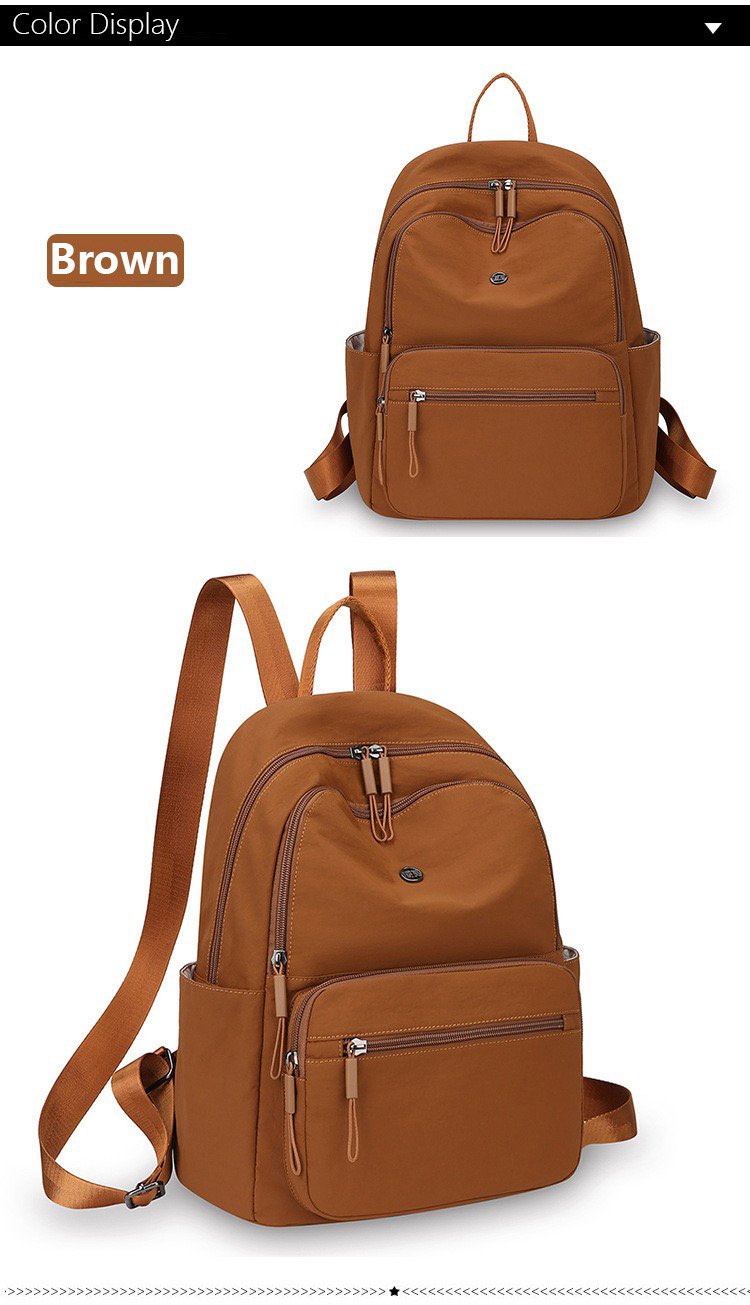
Customization is a powerful tool for brands seeking to create unique and memorable products that resonate with their target audience. When working with a Bookbag Factory or other custom backpack manufacturers, the extent of personalization can range from subtle details to comprehensive design overhauls. One of the most straightforward yet impactful ways to customize a backpack is through the selection of colors and materials. Brands can choose from a wide array of fabrics like durable nylon, water-resistant polyester, eco-friendly recycled materials, or luxurious leathers. Different parts of the backpack, such as the body, straps, zippers, and even inner lining, can be customized with specific colors and textures to create a distinctive look (Zhengbackpack). Beyond materials and colors, manufacturers offer extensive options for incorporating specialized features. These can include custom-designed pockets for specific devices, ergonomic back panels, unique strap designs, hidden compartments, or integrated charging ports. Branding options are equally diverse, allowing for prominent display of logos, mascots, or specific graphics. This can be achieved through embroidery, screen printing, heat transfer, woven labels, or custom zipper pulls. For instance, schools often partner with manufacturers to create clear backpacks featuring their mascot or logo, combining functionality with strong brand identity (BagzDepot). Leveraging these customization avenues enables brands to craft backpacks that are not only functional but also powerful statements of their identity and values.
Ensuring Quality and Compliance: What to Look for in a Backpack Factory
For any brand, the integrity of its products is non-negotiable, making robust quality control and compliance paramount when selecting a backpack factory. A reliable partner will have a comprehensive quality assurance system in place, encompassing multi-layered inspection from the raw materials stage through every step of production to the final product (Omaska). This includes material inspection upon arrival, in-process quality checks, and a final inspection before shipment. Beyond internal processes, external certifications provide an objective measure of a factory’s commitment to quality and ethical practices. Certifications such as ISO 9001 for quality management, BSCI (Business Social Compliance Initiative) or SA8000 for social accountability, and REACH or RoHS for environmental compliance are strong indicators of a manufacturer’s adherence to international standards. Brands should inquire about the factory’s quality control manuals, testing procedures for materials and finished goods, and their defect rate reporting. A factory that willingly shares this information and welcomes audits demonstrates transparency and confidence in its operations. Prioritizing these aspects ensures that your wholesale backpack orders meet both your brand’s high standards and relevant industry regulations, safeguarding your reputation and consumer trust.
Why Choose Chinese Wholesale Backpack Manufacturers for Bulk Orders?
Chinese Wholesale Backpack Manufacturers have long been a preferred choice for businesses looking to procure bulk orders of custom backpacks, primarily due to several compelling advantages. One of the most significant benefits is the cost-effectiveness they offer. With efficient supply chains and competitive labor costs, Chinese suppliers are renowned for providing economical solutions for businesses aiming to acquire goods in volume (GH-Bags). This allows brands to achieve favorable profit margins while maintaining product quality. Furthermore, Chinese manufacturers often boast high production efficiency and extensive capacity, capable of handling large-scale orders with relatively shorter lead times compared to other regions. Their mature manufacturing infrastructure supports a vast network of material suppliers and specialized factories, enabling a wide range of customization options and access to diverse materials. Many Chinese manufacturers, particularly those in established hubs like Guangzhou, possess over 17 years of experience in the design, development, and export of various backpacks, from high-performance tactical gear to everyday outdoor packs (Leelinebags). However, it is crucial to ensure transparent communication regarding quality assurance processes and typical production lead times for bulk orders to manage expectations effectively. Despite geographical distance, the combination of cost savings, production prowess, and a mature supply chain makes Chinese manufacturers a strong contender for brands seeking custom backpack production in bulk.
Making the Final Decision: Essential Questions to Ask Potential Custom Backpack Manufacturers
As you narrow down your list of potential custom backpack manufacturers, a thorough vetting process is critical to ensure a seamless production experience and a reliable partnership. Before making a final decision, it is essential to conduct a comprehensive verification of each potential factory, probing into their capabilities, processes, and service commitment (Omaska). Here is a checklist of crucial questions to ask:
1. What is your experience in manufacturing backpacks similar to our design? (Request portfolio or samples)
2. What are your Minimum Order Quantity (MOQ) requirements for custom designs?
3. Can you provide a detailed breakdown of your pricing structure, including tooling, sampling, and unit costs?
4. What are your typical production lead times, from sample approval to final delivery, for an order of our size?
5. Describe your quality control process from material sourcing to final inspection. (Request quality control manual or visit schedule)
6. What certifications (e.g., ISO, BSCI, REACH) do you hold, and can you provide proof?
7. What materials do you commonly work with, and can you source specific eco-friendly or performance fabrics?
8. What are your customization capabilities for branding (logos, labels, hardware) and specific features?
9. What are your payment terms and conditions? (e.g., upfront deposit, milestones)
10. How do you handle intellectual property protection for client designs?
11. What is your communication protocol for project updates, issues, and approvals?
12. What are your packaging and shipping options, and can you handle international logistics?
13. Can you provide references from other international clients?
By focusing on obtaining clear answers to these questions, brands can better assess a manufacturer’s suitability, ensuring alignment on quality materials, versatile design options, and compliance with certifications for their Bag Custom In Bulk project (OSGWBAG).
Building a Successful Partnership with Your Chosen Custom Backpack Manufacturer
The journey doesn’t end once you’ve selected a custom backpack manufacturer; it marks the beginning of a collaborative partnership that can significantly elevate your brand. A successful relationship is built on foundations of trust, transparency, and mutual respect. Effective communication and continuous collaboration are vital elements for ensuring a smooth and productive partnership (Isundei). This involves clear and consistent dialogue about design iterations, production updates, potential challenges, and delivery schedules. Providing detailed feedback on samples, being responsive to inquiries, and maintaining open lines of communication foster an environment where issues can be resolved promptly and efficiently. The right custom backpack manufacturer can offer numerous benefits, including the ability to leverage their expertise for innovative customization options, optimizing production processes, and achieving cost efficiencies (OSGWBAG). By nurturing this relationship, brands can ensure consistent product quality, adapt to market changes, and scale their operations with a reliable partner. A strong, long-term partnership with your manufacturer is an investment in your brand’s growth, allowing for continuous innovation and dependable delivery of high-quality custom backpacks that consistently delight your customers.
Conclusion
Choosing the ideal custom backpack manufacturer is a strategic investment that underpins your brand’s success in a competitive market. It demands meticulous research, clear articulation of needs, and a proactive approach to vetting potential partners. By prioritizing quality, transparency, and a collaborative spirit, brands can secure not just a supplier, but a true manufacturing ally that propels innovation and delivers excellence. The diligent efforts in selecting the right partner will yield not only superior products but also a robust, resilient supply chain capable of supporting long-term brand growth and market leadership.
![[BagsProducer]How to Choose the Best Custom Backpack Manufacturers for Your Brand](https://www.bagsproducer.com/wp-content/uploads/2025/09/image-1.jpg)


![[BagsProducer]How To Buy Custom Handbag In Bulk From China](https://www.bagsproducer.com/wp-content/uploads/2025/08/image-3-768x512.jpg)
![[BagsProducer]How To Rank #1 For Your Tote Bag Custom Business](https://www.bagsproducer.com/wp-content/uploads/2025/08/image-8-768x512.jpg)