Customer Service
info@bagsproducer.com
Work Hours
Monday to Friday: 9AM - 6PM
Company Address
No.188, Taixin Street, Quanzhou, Fujian Province, China
Customer Service
info@bagsproducer.com
Work Hours
Monday to Friday: 9AM - 6PM
Company Address
No.188, Taixin Street, Quanzhou, Fujian Province, China
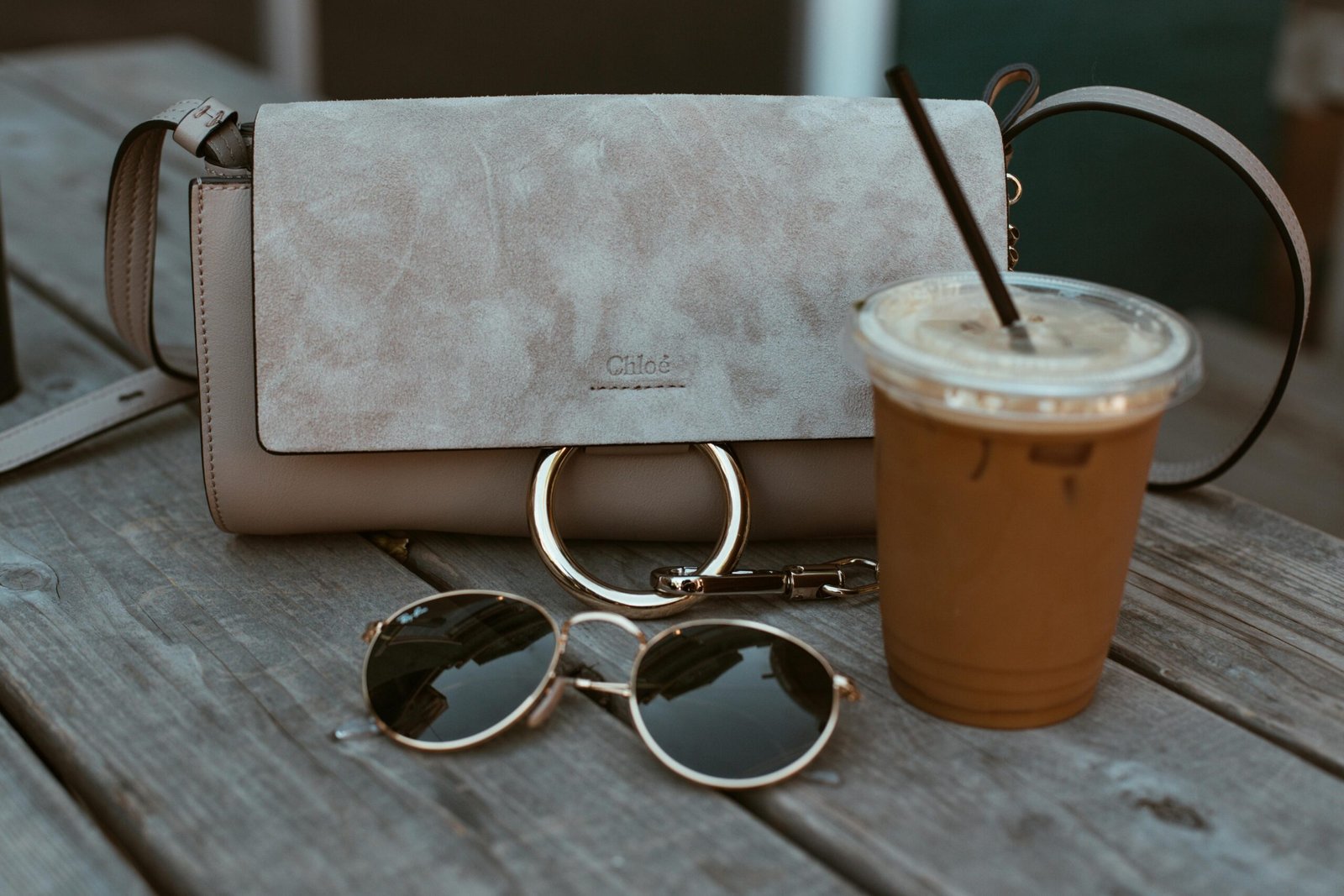
Bags have always been part of human culture, evolving from simple pouches used for carrying essentials into iconic fashion symbols and essential lifestyle tools. What was once only a container for transporting goods has become a reflection of personal identity, cultural values, and even environmental awareness. In today’s world, the future of bags is no longer determined solely by aesthetics or utility. Instead, it lies in the thoughtful integration of style, function, and sustainability. Consumers expect their bags to align with their lifestyles while minimizing negative impact on the planet. Brands and manufacturers that can achieve this balance will shape the next chapter of the global bag industry.
The bag market has shifted dramatically in the past decade as customer preferences grow more sophisticated. In earlier times, buyers were primarily driven by design trends, brand recognition, or affordability. However, today’s consumers demand more comprehensive value. They want bags that are stylish yet versatile, functional yet lightweight, durable yet environmentally friendly. This shift is particularly noticeable among younger generations such as Millennials and Gen Z, who place significant importance on authenticity and sustainability in the products they purchase.

The digital era has also heightened awareness. Social media platforms like Instagram, TikTok, and Pinterest allow consumers to instantly compare designs, read reviews, and examine production practices. Shoppers now ask questions about where materials are sourced, how workers are treated, and whether packaging is eco-friendly. These higher expectations mean that simply producing a “good-looking” bag is no longer enough; companies must innovate to deliver on multiple fronts simultaneously.
A bag has always been an extension of personal style, and this will remain a cornerstone of its future. However, style today means more than following seasonal runway trends—it’s about individuality, versatility, and timelessness. Many consumers want pieces that can transition seamlessly from office to evening, or from travel to casual weekends, without sacrificing elegance.
Key style directions shaping the bag industry include:


The future of style in bags lies in merging practicality with unique aesthetics, ensuring that a bag not only complements outfits but also reflects the owner’s lifestyle and values.

Functionality is becoming just as important as style, if not more so. Modern consumers view bags as tools that support busy, mobile lifestyles. A working professional might need padded compartments for laptops, while a parent may look for easy-to-clean, organized interiors. Travelers want bags with compact yet spacious designs, expandable sections, and secure closures.
Functional design also means comfort and ergonomics. Lightweight materials, adjustable straps, and breathable back panels can significantly enhance user experience. For example, backpack designers are now investing in weight distribution technology to reduce strain, while tote bags incorporate detachable pouches for organization.
The line between traditional categories—such as backpacks, totes, and crossbody bags—is also blurring. Hybrid designs that adapt to different occasions are on the rise. Convertible bags that shift from backpack to handbag or from tote to shoulder bag embody this trend, catering to consumers who prioritize convenience and adaptability.
Perhaps the most significant change influencing the future of bags is the emphasis on sustainability. Growing environmental concerns and global conversations about climate change have prompted both brands and consumers to reconsider the environmental impact of fashion. Bags, often produced with leather, synthetic materials, and chemical-heavy dyes, are under scrutiny.
Sustainability in bags extends across multiple dimensions:
To illustrate the shift, here is a simple comparison of traditional vs. sustainable approaches:
| Aspect | Traditional Bags | Sustainable Bags |
|---|---|---|
| Material | Genuine leather, PVC, nylon | Recycled PET, mushroom leather, hemp |
| Production Process | High energy & chemical consumption | Low-impact dyeing, ethical sourcing |
| Lifespan | Often trend-driven, replaced quickly | Durable, designed for longevity |
| Consumer Perception | Luxury/status symbol | Ethical, eco-conscious lifestyle choice |
Brands that fail to address sustainability risk losing relevance in the long term. Conversely, those that integrate green innovation into their DNA can attract loyal customers and strengthen brand identity.
Technology plays a pivotal role in shaping the future of bags. Beyond sustainable materials and stylish designs, the integration of innovation is redefining what a bag can do. Smart bags equipped with GPS tracking, solar panels for charging devices, or built-in weight sensors are no longer futuristic—they are available and increasingly affordable.
Virtual design and production technologies are also advancing the industry. 3D modeling allows designers to prototype digitally, saving both resources and time. Similarly, AI-driven trend forecasting helps brands anticipate consumer demands with greater accuracy, minimizing overproduction and waste.
Another growing trend is circular economy models in which bags are designed for recycling or resale. Resale platforms for pre-owned luxury and premium bags are thriving, extending product lifecycles and appealing to conscious buyers.

As bags evolve, their success depends not only on quality but also on storytelling. Consumers are drawn to brands that communicate authentic narratives about their origins, craftsmanship, and sustainability journey. A bag made from recycled ocean plastics carries more value when paired with a story about marine conservation. Likewise, artisanal products handcrafted by local communities gain appeal through cultural storytelling.

Brand transparency is crucial. In an age where customers can easily research supply chains, vague claims about “eco-friendly materials” are insufficient. Verified certifications, open communication about sourcing, and traceable supply chains build credibility. This transparency not only attracts eco-conscious customers but also strengthens brand loyalty.
While the future of bags holds immense promise, challenges remain. Sustainable materials are often more expensive than conventional ones, and advanced technologies may require significant investment. Balancing affordability with innovation is a key test for manufacturers. Counterfeiting also continues to pose threats, particularly for high-end brands striving to maintain exclusivity.
However, these challenges are accompanied by opportunities. As sustainability becomes mainstream, economies of scale will reduce costs. Consumer willingness to pay slightly more for ethical products is increasing. Furthermore, collaboration across industries—such as fashion partnering with tech companies—can result in groundbreaking designs that set new standards for the market.

The future of bags lies at the intersection of style, function, and sustainability. A successful bag will not only be fashionable but also practical, eco-friendly, and aligned with the values of its user. As technology, sustainability, and consumer expectations continue to evolve, bags will transform from simple accessories into powerful symbols of lifestyle, innovation, and responsibility.
Brands that can integrate these elements holistically will lead the market, while consumers benefit from products that support both their personal expression and their global conscience. The bag of the future is not just about what it carries—it’s about the story it tells, the convenience it provides, and the world it helps preserve.


![[BagsProducer]Wholesale Designer-Look Backpacks: Get Custom Style Without the Luxury Price Tag](https://www.bagsproducer.com/wp-content/uploads/2025/09/image-5-768x1152.jpg)