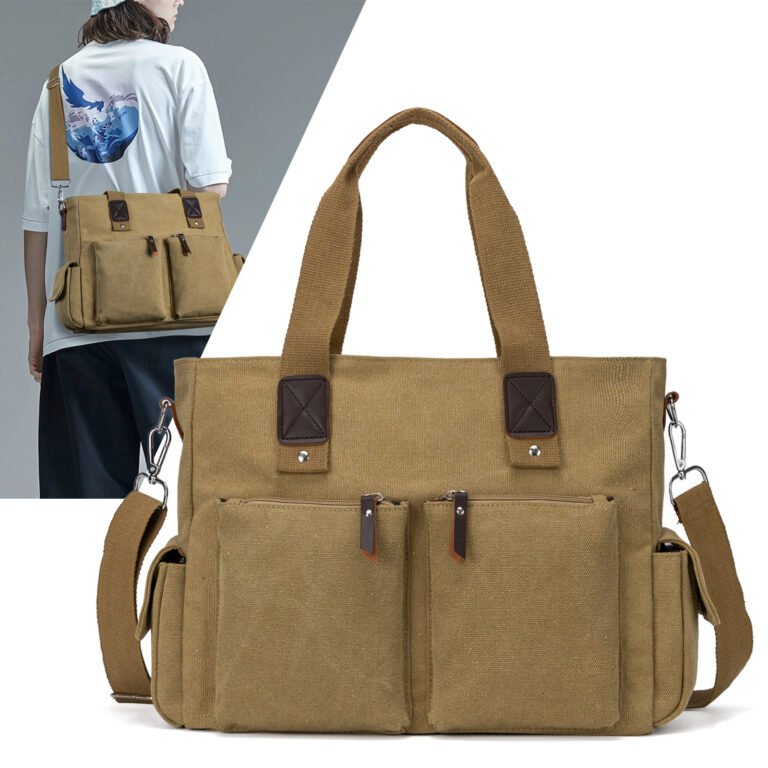
[BagsProducer]Top Tips for Choosing a Reliable Custom Beach Bag Supplier in Bulk
Abstract
This article provides an in-depth guide for businesses seeking to source custom beach bags in bulk. It addresses the critical considerations involved in identifying and collaborating with a reliable supplier, moving beyond basic product selection to encompass strategic commercial investigation. The content covers defining product specifications, evaluating manufacturing capabilities, understanding financial terms, ensuring effective communication, and implementing due diligence measures such as sample evaluation and factory audits. The ultimate aim is to equip buyers with actionable insights to establish robust, long-term partnerships with wholesale custom bag suppliers, ensuring consistent quality and successful bulk orders.
Why Choosing the Right Custom Beach Bag Supplier Matters for Your Business
For businesses operating in sectors such as hospitality, events, or retail, the procurement of custom beach bags in bulk is a strategic decision that extends beyond mere inventory acquisition. These personalized items serve as powerful promotional tools, significantly enhancing brand visibility and recall. Entities like beach clubs, hotels, and summer camps frequently utilize branded beach bags as giveaways, transforming them into mobile advertisements that reinforce brand presence (Totally Promotional). The impact of a custom beach bag on a brand’s image is substantial, as these bags are not merely functional accessories but reflections of quality and attention to detail.
Opting for personalized beach bags delivers superior durability and tailored organization compared to generic alternatives, which is crucial for maintaining a positive brand perception (Szoneier). A poorly manufactured bag can quickly deteriorate, leading to negative impressions and undermining the intended promotional value. Conversely, a high-quality, durable custom beach bag creates a lasting positive association with the brand. Therefore, the selection of a reliable supplier is paramount. A proficient supplier ensures that the custom beach bags meet stringent quality standards, accurately represent the brand’s aesthetic, and effectively fulfill their functional purpose. This foundational choice directly influences customer satisfaction, brand equity, and the overall return on investment for marketing and promotional expenditures. A strategic approach to supplier selection is essential to leverage custom beach bags as an effective brand asset rather than a liability.
Defining Your Custom Beach Bag Specifications and Bulk Order Requirements
Before engaging with potential suppliers, a business must meticulously define its precise specifications for custom beach bags and articulate its bulk order requirements. This clarity is indispensable for effective communication and for receiving accurate quotations and product proposals. A personalized beach bag can feature custom materials, prints, and hardware, all tailored to specific brand requirements or individual preferences (Szoneier).
The specification process should encompass several key dimensions:
Design and Aesthetics:
Style: Tote, duffel, backpack, or duffel, or messenger bag variants.
Dimensions: Precise height, width, and depth to accommodate specific items (e.g., towels, sunscreen, books).
Color Palette: Specific Pantone Matching System (PMS) codes for brand consistency.
Logo Placement and Size: Exact location, dimensions, and desired visual impact of the brand logo or custom artwork.
Materials and Construction:
Fabric Type: Considerations include canvas, jute, polyester, mesh, neoprene, or waterproof fabrics, chosen for durability, aesthetic, and specific use cases.
Lining: Presence and type of internal lining for added durability or specific functionality (e.g., waterproof lining).
Hardware: Type and quality of zippers, clasps, buckles, and D-rings.
Stitching: Reinforcement techniques, thread strength, and finish quality to ensure longevity.
Customization Options:
Printing Methods: Screen printing, embroidery, heat transfer, sublimation, or direct-to-garment (DTG) printing, each offering distinct visual effects and durability.
Handle Type: Webbing, rope, padded, or adjustable handles, considering comfort and carrying capacity.
Quantity and Delivery:
Minimum Order Quantity (MOQ): While this will be discussed further, having a target quantity helps filter suppliers.
Order Volume: The exact number of units required for the bulk order.
Packaging: Individual bagging, bulk packaging, or custom packaging requirements.
Shipping and Logistics: Preferred shipping methods, delivery timelines, and destination details.
When businesses design their own custom beach bags, they can bring extra style to the sand, ensuring the product is handmade to specific standards (Contrado). A detailed specification document acts as a blueprint, minimizing misunderstandings and streamlining the entire procurement process, from initial inquiry to final delivery.
Key Criteria for Vetting a Reliable Custom Beach Bag Manufacturer
The process of vetting a potential custom beach bag manufacturer is a critical step that dictates the success of a bulk order. It involves evaluating several fundamental factors to ensure the chosen supplier can consistently meet quality, capacity, and ethical standards.
Experience and Track Record
A manufacturer’s history and experience in the bag industry, particularly with custom orders, are indicative of their capability. Look for suppliers with a proven track record in producing similar products. Longevity in the business often signifies stability, established processes, and a deep understanding of manufacturing complexities. Reviewing their portfolio for past projects can provide insights into their range of capabilities and design execution.
Production Capacity and Scalability
For bulk orders, the supplier’s production capacity is non-negotiable. It is essential to ascertain if they can handle the required volume within specified timelines without compromising quality. Inquire about their monthly production output and their ability to scale up for larger or urgent orders. A transparent supplier will be able to provide clear data on their manufacturing capabilities.
Quality Control (QC) Procedures
Robust quality control mechanisms are vital. A reliable manufacturer will have detailed QC protocols at every stage of production, from raw material inspection to final product packaging. This includes checking Material Selection, stitching integrity, hardware functionality, and customization accuracy. It is important to ask about their defect rate targets and how they manage non-conforming products. For instance, testing all compartments and pockets, and ensuring zippers open smoothly, are basic quality checks (Initi). Quality is extremely important when selecting bags to represent a brand (Enviro-Tote).
Certifications and Compliance
Industry-specific certifications (e.g., ISO 9001 for quality management) demonstrate a commitment to recognized standards. Furthermore, inquire about their compliance with environmental regulations, labor laws, and any specific material certifications (e.g., GOTS for organic textiles). This is particularly important for brands focused on sustainability or operating in markets with strict import regulations.
Sustainable Material Sourcing
For businesses prioritizing environmental responsibility, a supplier’s approach to sustainable material sourcing is a key criterion (Enviro-Tote). This includes the use of recycled fabrics, organic cotton, or other eco-friendly materials, as well as ethical sourcing practices for all components. Transparency in their supply chain for materials is a significant advantage.
Reputation and References
Investigate the supplier’s reputation within the industry. This can be done through online reviews, trade associations, and direct references from other clients. A supplier with positive testimonials and a strong industry standing is generally a safer choice.
By thoroughly assessing these criteria, businesses can confidently identify a manufacturer capable of delivering high-quality Wholesale Backpacks or custom beach bags that align with their brand values and operational demands.
Assessing a Supplier’s Customization Expertise and Product Quality for Bulk Beach Bags
The ability to execute specific custom designs and maintain consistent product quality across large volumes is paramount when selecting a supplier for bulk custom beach bags. This assessment requires a detailed examination of the supplier’s technical capabilities, material offerings, and quality assurance protocols.
Customization Capabilities
A proficient supplier should demonstrate extensive customization options, moving beyond basic logo printing to offer comprehensive design flexibility. This includes a wide array of material choices, such as various weights of canvas, jute, mesh, or specialized waterproof fabrics, each suitable for different functional and aesthetic requirements. Their expertise should also extend to diverse customization techniques, including intricate embroidery, precise screen printing, high-definition sublimation, or specialized hardware integration. The supplier should be capable of working with complex design files, providing constructive feedback on feasibility, and offering innovative solutions to realize the envisioned product. Look for a supplier with a proven track record in custom bulk bag production and significant industry experience (Custom Bulk Bag).
Product Quality Standards and Consistency
Ensuring consistent quality for bulk orders is a significant challenge that distinguishes superior suppliers. This involves evaluating several factors:
Material Selection: The supplier should use high-grade raw materials that meet specified durability, texture, and color fastness requirements. They should be transparent about their material sourcing and testing procedures.
Workmanship: Examine samples for stitching quality, seam finishes, zipper functionality, and overall construction integrity. Uniformity in these aspects across multiple samples indicates a strong commitment to quality.
Sample Production: A reliable supplier will have a streamlined sample production process, allowing for iterative feedback and adjustments before mass production. The samples should accurately reflect the final product in terms of materials, design, and customization.
Quality Assurance (QA) Processes: Inquire about their in-house QA team, their inspection checkpoints throughout the production cycle (e.g., during cutting, assembly, and finishing), and their final inspection procedures. Understanding their defect tolerance levels and how they address quality deviations is critical.
By considering product quality, customization options, and the supplier’s reputation, businesses can find a suitable partner for wholesale and custom beach bag manufacturing (BagzDepot). A thorough assessment of these elements minimizes the risk of receiving a bulk order that does not meet expectations, thereby safeguarding brand reputation and ensuring customer satisfaction.
Understanding Pricing Structures, Minimum Order Quantities (MOQ), and Production Lead Times
Navigating the commercial aspects of supplier selection, including pricing, MOQs, and lead times, is fundamental to a cost-effective and timely procurement process. These factors directly influence inventory management, cash flow, and overall project scheduling.
Pricing Structures
Different suppliers may offer various pricing models. It is crucial to understand what is included in the quoted price. Common pricing terms include:
Ex-Works (EXW): The buyer is responsible for all costs and risks associated with transporting goods from the supplier’s factory to the final destination.
Free On Board (FOB): The supplier is responsible for goods up to the point of loading onto the designated shipping vessel at the port of origin. The buyer then takes responsibility.
Delivered Duty Paid (DDP): The supplier handles all costs, risks, and customs duties until the goods are delivered to the buyer’s specified destination. This is often the most convenient but potentially costlier option for buyers.
When comparing prices, ensure you are comparing like-for-like, considering all hidden costs such as tooling charges for custom designs, sampling fees, and shipping insurance. Negotiating favorable payment terms, such as a deposit followed by payment upon shipment or delivery, can also significantly impact cash flow.
Minimum Order Quantities (MOQ)
Minimum Order Quantity (MOQ) refers to the smallest number of units a supplier is willing to sell in a single order (Agrinventory). MOQs are typically set by suppliers to ensure profitability and efficient production, as smaller orders may not cover their setup costs (Cogsy).
Factors influencing MOQ:
Raw Material Costs: Suppliers often have MOQs from their raw material providers.
Production Efficiency: Setting up machinery for a custom order has fixed costs, which are distributed over more units in a larger batch.
Profitability: Suppliers need to ensure a profitable margin on each order.
It is important to discuss MOQ flexibility. Some suppliers may be willing to negotiate a slightly lower MOQ for a higher unit price, especially for initial orders to test the market or to build a new partnership. Understanding MOQ can have a significant impact on managing stock levels (Cogsy).
Production Lead Times
Production lead time is the duration from order confirmation to readiness for shipment. This includes time for material procurement, production, quality control, and packaging. Factors affecting lead time include:
Order Complexity: More intricate designs or specialized materials may require longer lead times.
Production Schedule: The supplier’s current workload and seasonal demand.
Raw Material Availability: Delays in sourcing materials can impact the overall timeline.
Shipping Method: Air freight is faster but more expensive than sea freight.
Always request a clear production schedule with milestones. Factor in buffer time for unexpected delays, especially for international shipping. It is crucial to assess a supplier’s efficiency in meeting these schedules for bulk orders to prevent disruptions in your supply chain.
Here is a table summarizing key commercial aspects:
Commercial Aspect
Description
Key Consideration for Buyers
Pricing Structure
Defines who bears costs (production, shipping, duties) at various points in the supply chain (EXW, FOB, DDP).
Understand all-inclusive costs, hidden fees, and payment terms; compare “apples to apples”.
Minimum Order Quantity (MOQ)
The smallest number of units a supplier will produce in a single order.
Evaluate flexibility for initial or smaller orders; understand impact on unit cost and inventory.
Production Lead Time
Time from order confirmation to goods being ready for shipment.
Assess supplier’s ability to meet deadlines, factor in complexity, material availability, and shipping.
Payment Terms
Agreed-upon schedule for payments (e.g., deposit, balance on shipment).
Negotiate favorable terms to manage cash flow effectively.
Shipping Costs & Logistics
Expenses and arrangements for transporting goods to the final destination.
Clarify who is responsible for each leg of shipping, customs, and insurance.
The Importance of Clear Communication and Responsive Customer Service in B2B Partnerships
In any business-to-business (B2B) partnership, particularly for custom manufacturing like Bag Custom In Bulk orders, clear and consistent communication is the bedrock of a smooth and successful relationship. Effective communication channels and responsive customer service are not merely conveniences but strategic necessities that prevent misunderstandings, resolve issues efficiently, and foster trust.
Establishing Clear Communication Channels
A reliable supplier should offer multiple communication channels, enabling seamless interaction. This might include dedicated account managers, email, phone, and secure online portals for order tracking and documentation. The availability of diverse channels ensures that critical information can be exchanged swiftly and effectively, regardless of time zones or specific queries. Consistent and transparent communication builds trust, ensuring all parties are on the same page regarding project progress, potential challenges, and agreed-upon solutions (Rok.biz).
Responsive Customer Service
The hallmark of a strong B2B partnership is timely and helpful responses to inquiries and concerns. When dealing with custom orders, questions about design specifics, material changes, production updates, or potential delays are inevitable. A supplier’s customer service team should be readily available, knowledgeable, and proactive in providing updates. Delays in communication can lead to production bottlenecks, missed deadlines, and increased costs. A responsive supplier demonstrates commitment to the partnership and to addressing challenges collaboratively.
Shared Understanding and Expectation Management
Effective communication also involves a shared, commonly agreed-upon plan to level-set expectations (HealthEdge). This means both parties clearly understand the project scope, timelines, quality standards, and responsibilities. Any deviation from this plan should be communicated immediately and transparently, along with proposed mitigation strategies. Accurate and consistent communication of the key aspects of the plan is crucial for avoiding costly errors and ensuring project alignment. Ultimately, a supplier that prioritizes clear communication and offers responsive customer service cultivates a relationship built on reliability, efficiency, and mutual respect, which is indispensable for custom manufacturing projects.
Practical Steps to Verify Supplier Reliability: Samples, References, and Audits
Verifying the reliability of a potential supplier is a crucial phase of due diligence, mitigating risks and ensuring that your investment in bulk custom beach bags yields the desired outcome. This process involves a combination of direct product assessment, background checks, and on-site verification.
Requesting and Evaluating Product Samples
The most tangible way to assess a supplier’s quality and customization capabilities is through product samples. The sampling process reveals critical information about product quality and demonstrates a supplier’s ability to interpret requirements and respond to feedback (Cosmo Sourcing). Request samples that are as close as possible to your final specifications, including materials, dimensions, and any custom branding elements.
When evaluating samples, pay attention to:
Material Quality: Does it match the specified type and grade? Is the color consistent?
Workmanship: Check for even stitching, strong seams, functional zippers, and overall structural integrity.
Customization Accuracy: Is the logo or design applied correctly, with precise colors and placement?
Durability: Subject the sample to practical use or stress tests to gauge its longevity.
Provide detailed feedback on the samples. A reliable supplier will be responsive to revisions and capable of producing updated samples that address your concerns.
Checking Client References
Request references from the supplier, ideally from clients who have ordered similar custom products in bulk. Contact these references to inquire about their experience with the supplier regarding:
Product quality and consistency.
Adherence to production schedules and delivery timelines.
Responsiveness and communication effectiveness.
Problem-solving capabilities and handling of issues.
Overall satisfaction and willingness to reorder.
While suppliers will likely provide favorable references, these conversations can still offer valuable insights into their operational practices and reliability.
Considering Factory Audits
For significant bulk orders or critical components, a factory audit provides an independent verification of the supplier’s facilities, production processes, and quality management systems. Audits can be conducted by third-party inspection agencies or by your own team. They typically assess:
Production Capacity: Verification of machinery, workforce, and production lines.
Quality Control Systems: Review of QC protocols, documentation, and implementation.
Workplace Conditions: Compliance with labor laws and ethical manufacturing standards.
Certifications: Confirmation of any claimed industry certifications.
Trade shows can also provide opportunities to meet potential suppliers face-to-face and inspect product samples, offering an initial vetting stage (Cosmo Sourcing). By implementing these practical steps, businesses can build a robust understanding of a supplier’s capabilities and credibility, ensuring a secure procurement process for their custom bulk bag needs.
Building a Long-Term Partnership with Your Wholesale Custom Bag Supplier
Establishing a lasting and trusted relationship with a chosen wholesale custom bag supplier offers significant benefits that extend beyond individual transactions. A strategic, long-term partnership can streamline future procurement, enhance product quality, and contribute to mutual growth.
Benefits of Long-Term Collaboration
Consistent Quality and Reliability: Over time, a supplier gains a deeper understanding of your specific quality standards and brand aesthetic, leading to more consistent product output and fewer quality control issues.
Improved Pricing and Terms: As a valued long-term client, you may be eligible for better pricing, more flexible payment terms, and preferential treatment for urgent orders or rush productions. Offering fair payment terms and considering long-term relationships over short-term gains can lead to mutual growth (SLBAG).
Streamlined Processes: Familiarity with your requirements, communication styles, and ordering procedures leads to increased efficiency, reduced lead times, and less administrative overhead for both parties.
Innovation and Product Development: A trusted partner is more likely to collaborate on new product development, offering insights into new materials, manufacturing techniques, or design trends that can give you a competitive edge.
Prioritized Service: In times of high demand or unforeseen challenges, long-term partners often receive priority in production scheduling and customer support.
Strategies for Fostering a Strong Partnership
To cultivate such a relationship, businesses should adopt a collaborative and respectful approach:
Fairness and Transparency: Be transparent about your business needs, market challenges, and payment capabilities. Always honor agreed-upon payment terms and commitments.
Open Communication: Maintain regular, open dialogue. Share feedback constructively and be receptive to the supplier’s suggestions. Discuss market trends and future plans to help them anticipate your needs.
Mutual Respect: Recognize that the relationship is a two-way street. Respect their expertise, time, and business constraints.
Problem Solving: Approach issues collaboratively rather than adversarially. Work together to find solutions that benefit both parties.
Consistency: Strive for consistent order volumes where possible, providing the supplier with predictable business that allows them to plan their resources effectively.
Building a strong, long-term relationship with accessories and bag sourcing partners streamlines production and maximizes efficiency (Here FH). By investing in these relationships, businesses can transform their supplier interactions from transactional exchanges into strategic alliances that support sustainable growth and operational excellence.
Here is a table outlining the advantages of building long-term supplier relationships:
Aspect
Short-Term Supplier Relationship
Long-Term Supplier Partnership
Quality Consistency
Variable, requires continuous monitoring and re-evaluation with each new supplier.
High consistency due to established understanding of requirements and processes.
Pricing
Often subject to market fluctuations and new negotiations for each order.
Potential for preferential pricing, volume discounts, and stable cost structures.
Lead Times
Can be unpredictable, as new suppliers integrate into your workflow.
Shorter and more reliable lead times due to established workflows and mutual trust.
Product Development
Limited scope; primarily focused on current order fulfillment.
Collaborative approach, leveraging supplier’s expertise for innovation and future product lines.
Problem Resolution
Often reactive and potentially adversarial.
Proactive and collaborative, leading to quicker and more effective solutions.
Business Continuity
Higher risk due to potential disruptions from inconsistent supply or quality.
Enhanced stability and reduced risk through a reliable and vested partner.
Conclusion
The selection of a reliable custom beach bag supplier in bulk is a multifaceted strategic decision that profoundly impacts a business’s brand reputation, operational efficiency, and financial health. This guide has traversed the essential stages of this critical process, from meticulously defining product specifications and rigorously vetting potential manufacturers to understanding complex commercial terms and prioritizing clear communication. The emphasis on actionable due diligence, through samples, references, and audits, underscores the importance of thorough investigation. Ultimately, forging a long-term partnership with a wholesale custom bag supplier transcends individual transactions, evolving into a collaborative alliance that fosters consistent quality, innovation, and mutual growth. By adhering to these principles, businesses can secure not just a product, but a dependable supply chain cornerstone for their custom bag needs.
![[BagsProducer]Top Tips for Choosing a Reliable Custom Beach Bag Supplier in Bulk](https://www.bagsproducer.com/wp-content/uploads/2025/10/image-8.jpg)


![[BagsProducer]Unlock Your Brand's Vision: A Deep Dive into Wholesale Custom Backpack Benefits](https://www.bagsproducer.com/wp-content/uploads/2025/09/image-8-768x706.jpg)